
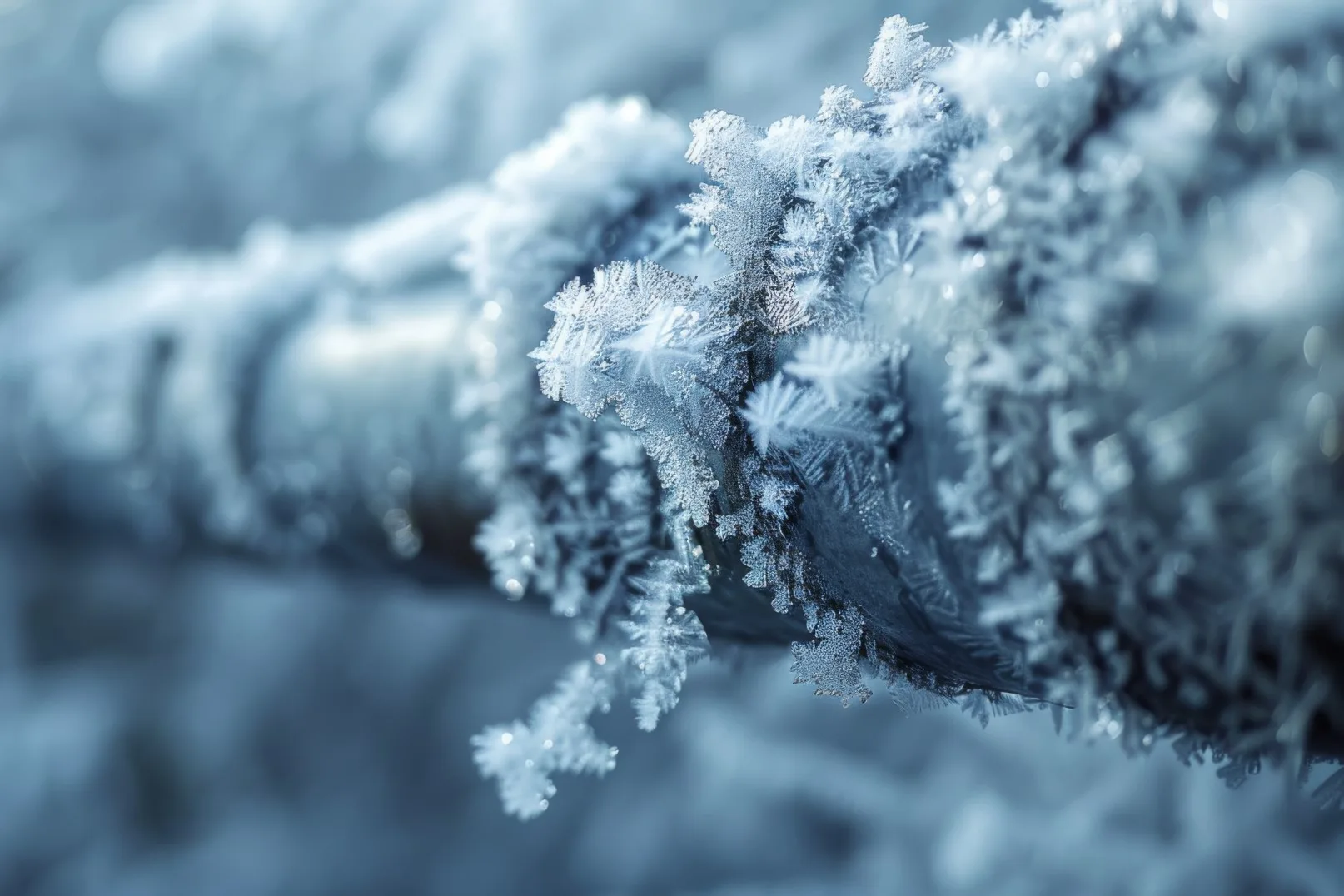
When temperatures drop, frozen pipes become one of the most common — and costly — winter plumbing emergencies. A single burst pipe can cause thousands of dollars in water damage in only a few minutes. Fortunately, with the right preparation, you can prevent most frozen pipe disasters. Here’s what homeowners need to know to protect their property and what to do if the worst happens.
Why Do Pipes Freeze?
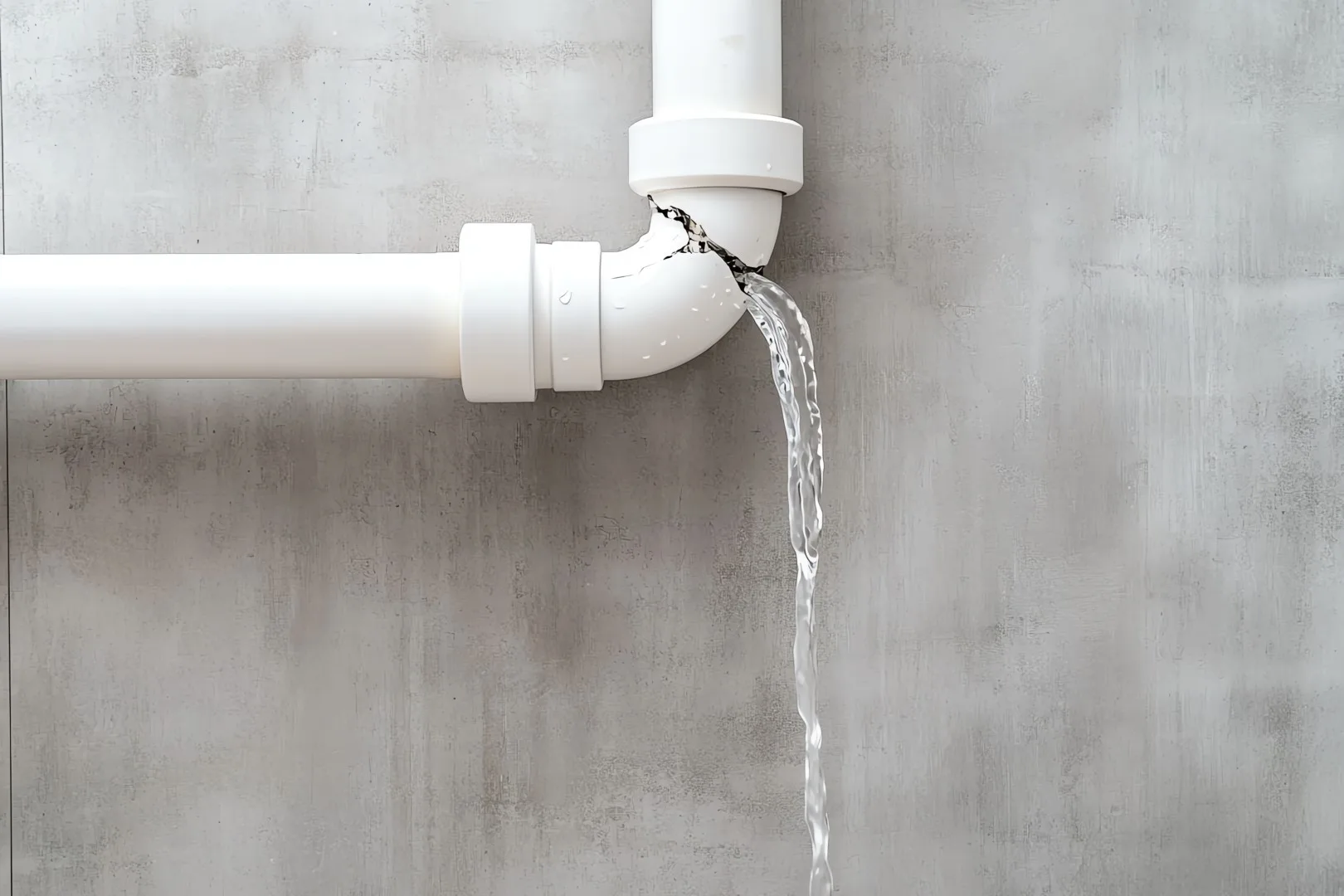
Pipes freeze when the water inside them drops below 32° and turns to ice. As water freezes, it expands, creating extreme pressure inside the pipe. Eventually, this pressure can cause the pipe to break, crack, or burst entirely, often without warning.
Pipes most at risk include:
- Uninsulated pipes in basements, crawl spaces, and attics
- Pipes in exterior walls with poor insulation
- Outdoor hose bibs and spigots
- Pipes under sinks, especially on outside walls
How to Prevent Frozen Pipes
1. Insulate Exposed Pipes
Use foam pipe sleeves, heat tape, or insulation wraps on any visible pipes. This is one of the cheapest and most effective ways to prevent freezing.
2. Keep a Consistent Indoor Temperature
Set your thermostat no lower than 55°F, even when you’re away. A few degrees of warmth can prevent a major disaster.
3. Open Cabinet Doors
In kitchens and bathrooms, leave cabinet doors open to allow warm air to circulate around pipes, especially those on exterior walls.
4. Let Faucets Drip
Keep a slow, steady drip of warm water running from your faucet to prevent pressure buildup and allow water to continue moving, making it less likely to freeze.
5. Seal Air Leaks
Cold air can sneak in through cracks near vents, windows, and doors. Use caulk or weatherstripping to seal gaps and keep warm air inside.
6. Disconnect Garden Hoses
Always detach hoses and shut off interior valves that supply outdoor faucets. Leaving hoses connected can trap water and lead to frozen pipes.
Signs Your Pipes May Be Freezing
You can catch the problem early by watching for:
- Little or no water coming from faucets
- Frost or ice forming on pipes
- A sudden drop in water pressure
- Strange smells coming from drains (ice blockage can force sewer gas back inside)
- Gurgling or banging noises from plumbing lines
If you suspect a pipe is starting to freeze, you’ll need to act fast.
What to Do If Your Pipes Freeze (Before They Burst)
1. Keep Faucets Open
Turn on the affected faucet. As the ice melts, water will begin to flow and help speed up the thawing process.
2. Apply Heat—Safely
Warm up the frozen pipe using:
- A hair dryer
- A heating pad
- Towels soaked in warm water
- A portable space heater (kept a safe distance away)
Never use open flames, such as a blowtorch or propane heater.
3. Know When to Call a Professional
If you can’t locate the frozen pipe or if the pipe won’t thaw, you should contact a licensed plumber before the pipe bursts.
What to Do If a Frozen Pipe Bursts
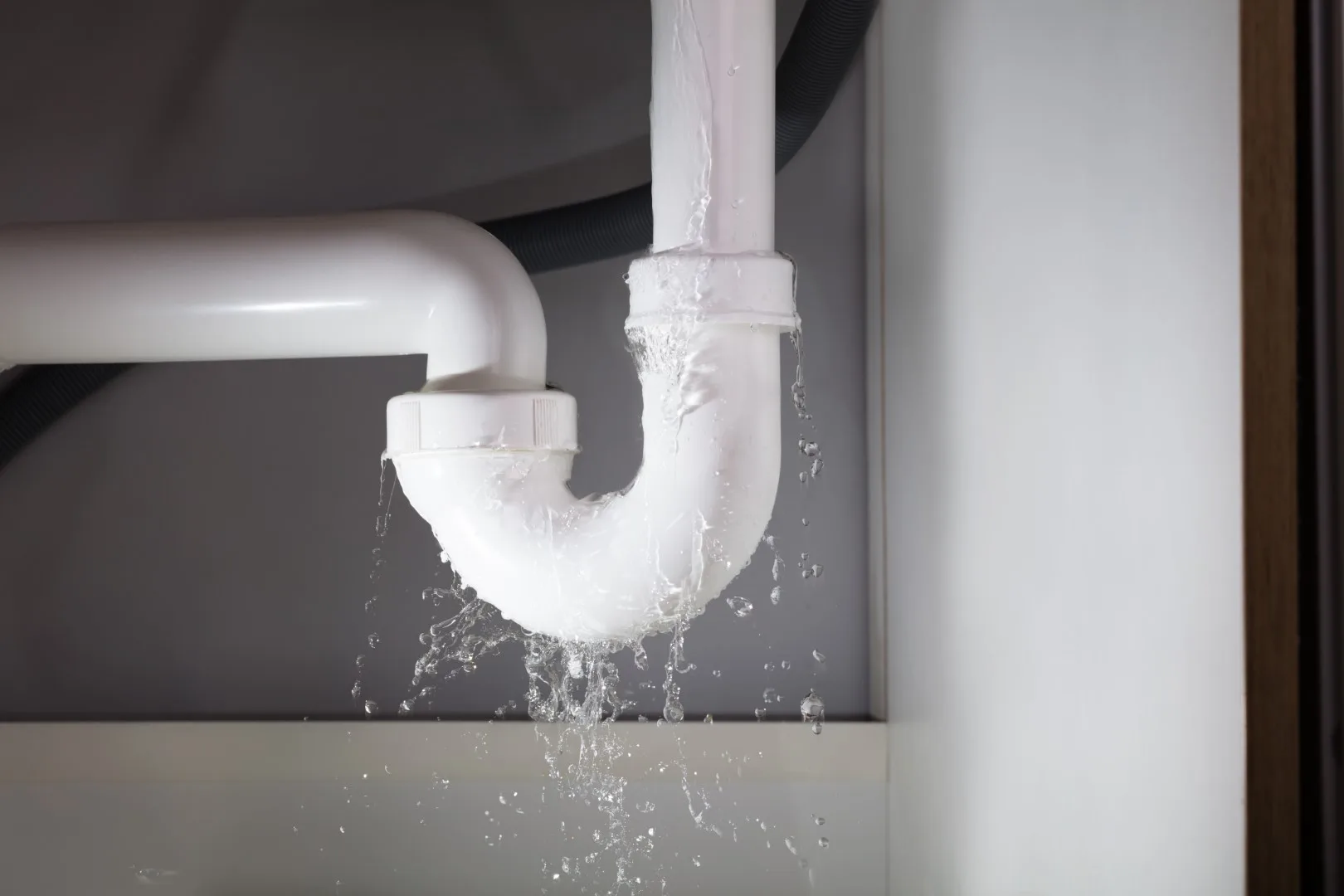
A burst pipe is an emergency. Here’s how to reduce damage and stay safe.
1. Shut Off the Main Water Supply Immediately
Your main shut-off valve is often located near the water meter, basement, or crawl space. Turning it off stops the flow of water and limits flooding.
2. Turn off Electricity if Water is Near Outlets or Appliances
Turn off the electricity to the affected area to prevent electric shock and avoid entering areas where water and electricity may interact.
3. Drain Remaining Water
Turn on all faucets to release pressure and empty the lines.
4. Document the Damage
Take photos and videos before cleanup. This plays a critical role in filing insurance claims.
5. Start Removing Water
Use towels, wet/dry vacuums, and fans to start drying the affected areas. Quick action prevents mold growth and structural damage.
6. Call a Restoration Company
Professionals can:
- Extract standing water
- Dry walls, floors, and insulation
- Prevent mold
- Repair damaged pipes and materials
The faster restoration starts, the less damage and cost you’ll face.
Prevent Devastating Water Damage This Season
Frozen pipes are a winter headache no homeowner wants to deal with, but with proper preparation and quick action, you can avoid major damage. A little prevention goes a long way, and knowing what to do in an emergency can save time, money, and stress.
If you ever experience a pipe burst or need help winterizing your plumbing, don’t hesitate to contact All American Cleaning & Restoration to receive emergency service.