
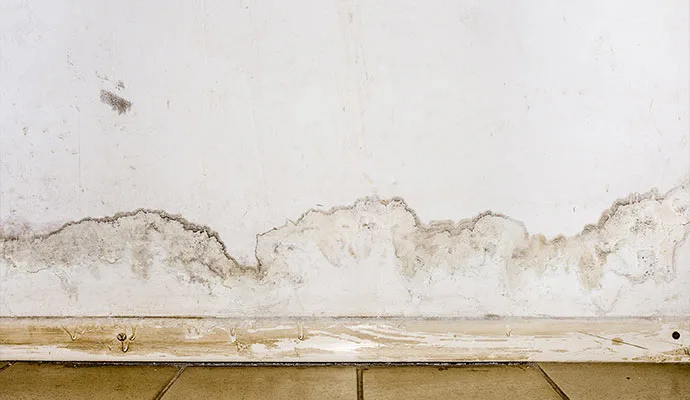
While mold can present as obvious black spots or a strong odor, in many homes, it grows quietly behind walls, under flooring, or inside ductwork. Often, this fungus is fueled by excessive condensation and inadequate ventilation. And left unaddressed, hidden mold can damage your home and negatively impact indoor air quality.
Knowing how to spot the early warning signs can help you can catch mold problems before they turn into costly repairs or dangerous health concerns.
Why Condensation and Poor Ventilation Lead to Mold
Mold needs three things to grow: moisture, warmth, and organic material. Condensation and inadequate airflow create the perfect environment where moisture can’t escape or dry properly. With the right conditions, you could have a serious mold problem in as little as 24 to 48 hours.
Common causes include:
- Bathrooms without exhaust fans or fans that aren’t used regularly
- Kitchens with poor range hood ventilation
- HVAC systems that don’t properly control humidity
- Cold surfaces (windows, exterior walls, pipes) where moisture collects
- Tightly sealed homes with limited fresh air exchange
When moist air has nowhere to go, water droplets settle on surfaces, soak into building materials, and allow mold colonies to form out of sight.
Signs of Hidden Mold You Shouldn’t Ignore
Even if you can’t see mold, your home can still give you clues:
Persistent Musty Odors — A damp, earthy smell, especially in bathrooms, basements, laundry rooms, or closets, often indicates mold growth behind walls or under flooring.
Excessive Condensation — Frequent fogging on windows, damp walls, or moisture beads on pipes are signs of high indoor humidity, which increases mold risk.
Discoloration or Staining — Yellow, brown, or gray stains on ceilings or walls may be caused by moisture intrusion and mold growth beneath the surface.
Peeling Paint or Bubbling Drywall — Moisture trapped behind walls can cause paint to blister or drywall to warp, a common sign of hidden mold.
Warped Wood or Soft Surfaces — Baseboards, cabinetry, or flooring that feels soft or swollen may be absorbing moisture and harboring mold.
Unexplained Health Symptoms — Frequent sneezing, coughing, headaches, fatigue, or worsening allergy or asthma symptoms, especially indoors, could be linked to hidden mold exposure.
Additionally, condensation problems often worsen during seasonal transitions. You should check for hidden growth during the peak times in fall and spring.
High-Risk Areas for Condensation-Related Mold
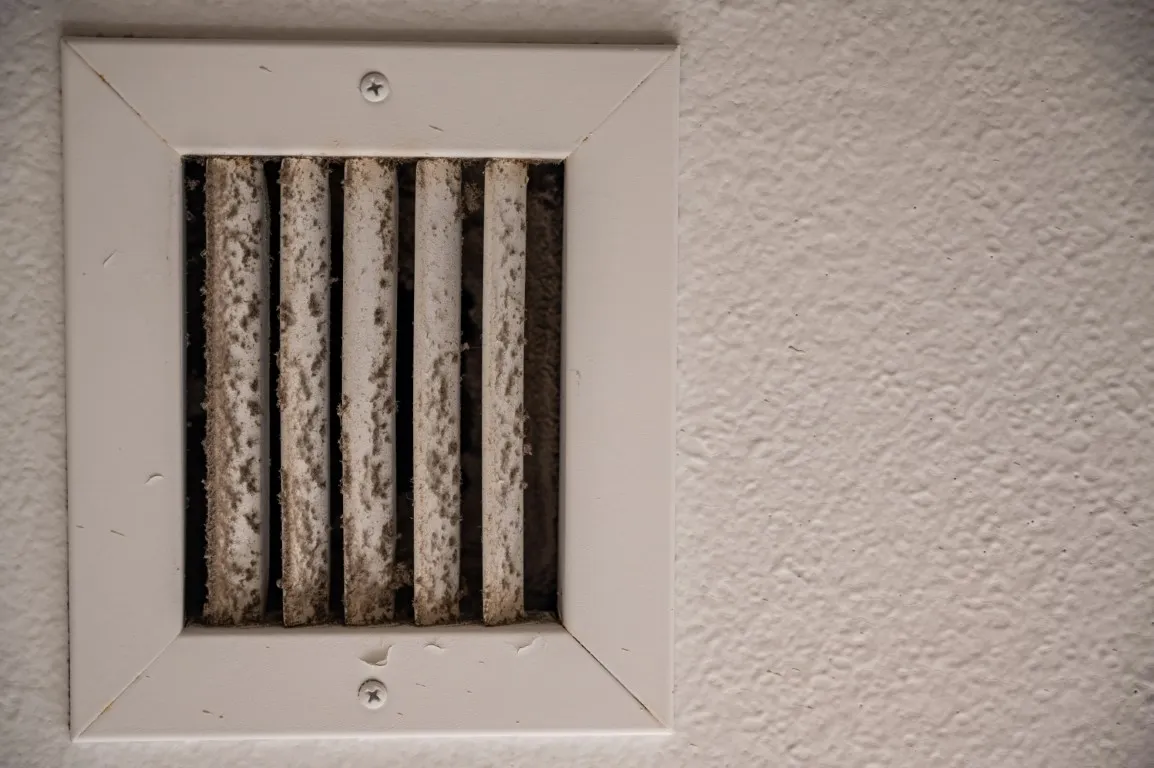
Certain areas of the home are more prone to hidden mold growth. Areas at risk include:
- Bathrooms, especially behind tile, under sinks, and around exhaust fans
- Basements and crawl spaces
- Attics with poor ventilation
- Inside walls near plumbing lines
- Around windows and exterior doors
- HVAC systems and air ducts
- Behind furniture in rooms with poor airflow
You should check these areas regularly for moisture buildup.
How to Confirm Hidden Mold
If you suspect mold but can’t see anything, you may want to invest in a professional inspection to keep you and your family safe. Trained technicians can:
- Use moisture meters and thermal imaging to detect damp areas
- Inspect behind walls and under flooring without unnecessary demolition
- Test air quality for elevated mold spores
- Identify the source of condensation or ventilation failure
Early detection can significantly reduce remediation costs and lower the risk of health issues.
Preventing Mold Caused by Condensation and Poor Ventilation
Prevention starts with controlling moisture and improving airflow:
- Run bathroom fans during showers and for a while after
- Use kitchen fans when cooking
- Ensure fans vent outside, not into attics or crawl spaces
- Keep indoor humidity between 30 and 50%
- Repair plumbing leaks promptly
- Insulate cold surfaces to reduce condensation
- Maintain and clean your HVAC system and change air filters regularly
- Consider using a dehumidifier in high-moisture areas
- Ensure furniture, curtains, and storage don’t block air or radiator vents
Small changes can make a big difference in preventing mold growth.
When to Call a Professional
If you notice recurring moisture problems, worsening odors, or signs of hidden structural damage, you should consult a professional mold inspection or restoration company. Mold hidden behind walls or inside HVAC systems can spread quickly and requires specialized equipment and expertise to remove safely.
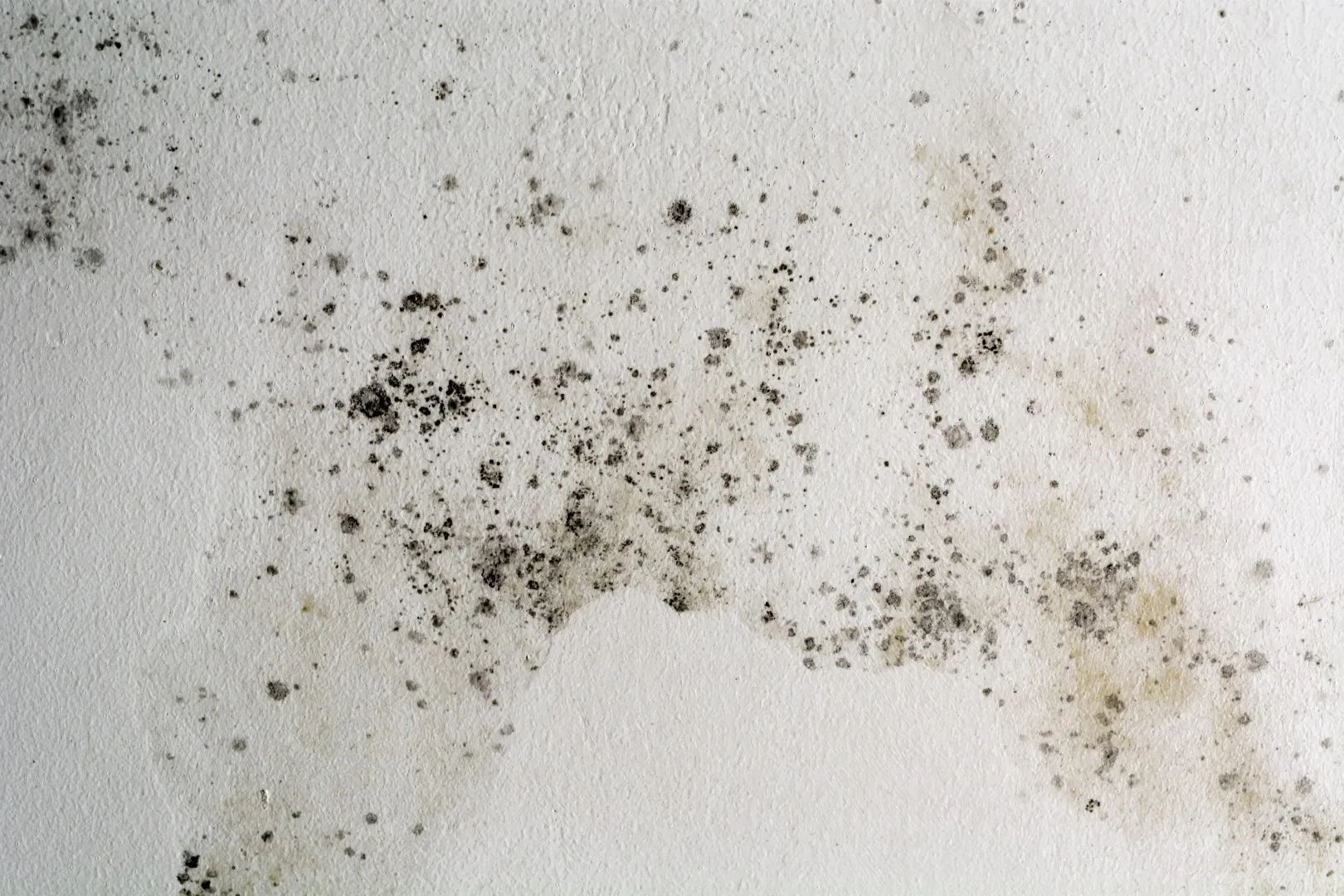
Don’t let Mold Take Over Your Home
Hidden mold caused by condensation and poor ventilation often goes unnoticed until it becomes a serious problem. By recognizing the warning signs early and addressing moisture issues promptly, homeowners can protect both their property and their indoor air quality.
If you suspect hidden mold in your home, a professional evaluation can provide peace of mind and help stop the problem at its source.