
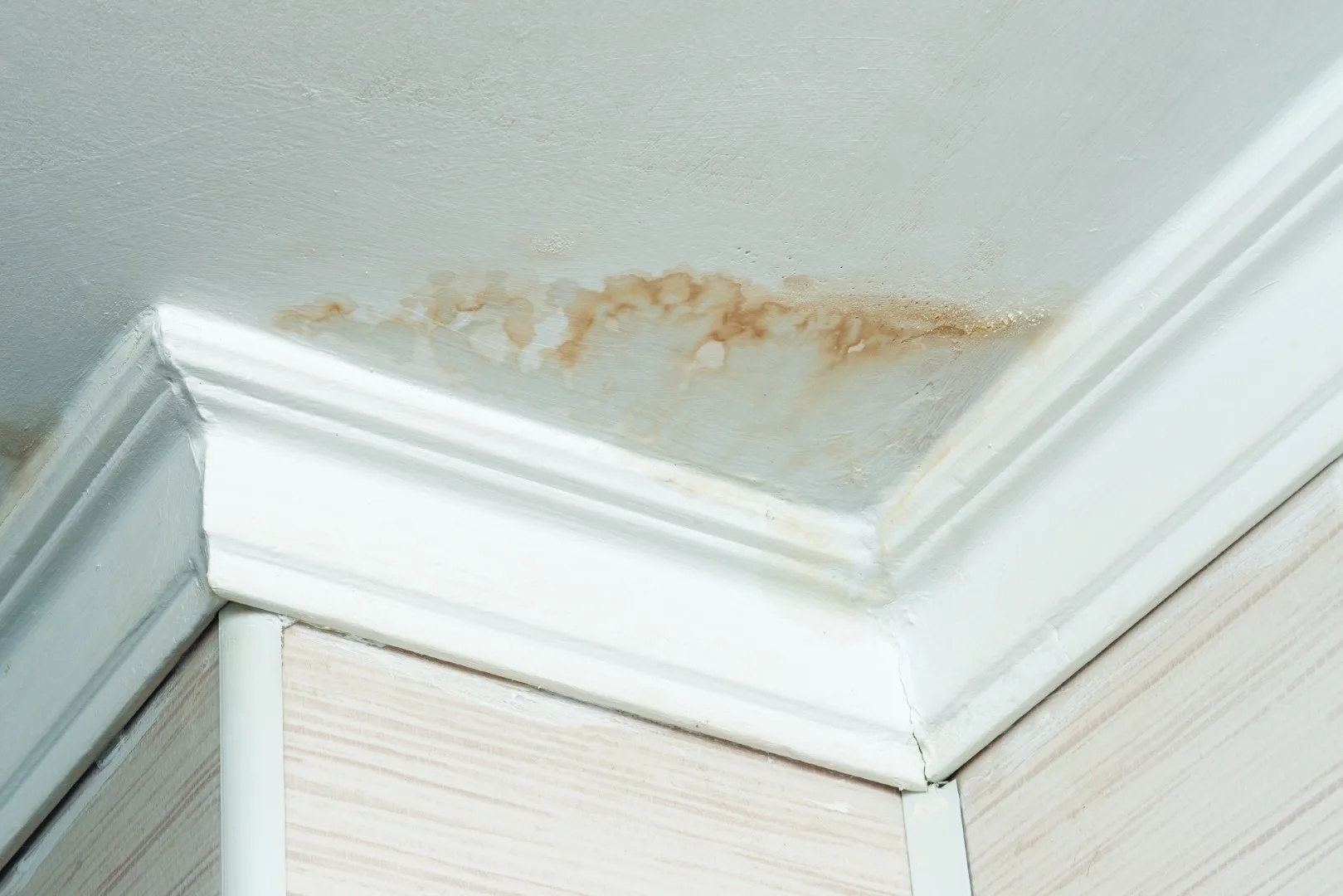
A musty odor is not only unpleasant but also often a warning sign of excess moisture, poor ventilation, or hidden damage. Left unaddressed, it can signal mold growth or air quality issues that could impact your health and your home’s structural integrity.
Below, we’ll explore the most common causes of musty odors in the home and what you can do to eliminate them for good.
1. Excess Moisture and Humidity
High indoor humidity creates the perfect environment for mold and mildew, which is most often the cause of musty odors. These fungi often thrive in bathrooms, basements, laundry rooms, and kitchens, particularly under sinks, behind drywall, and around washing machines.
How to fix it:
- Use dehumidifiers to keep indoor humidity between 30 and 50%
- Run exhaust fans during showers, when cooking, and while doing laundry
- Fix plumbing leaks (within 24 to 48 hours)
- Clean up spills promptly
- Ensure your HVAC system is properly sized and regularly maintained
2. Hidden Mold and Mildew Growth
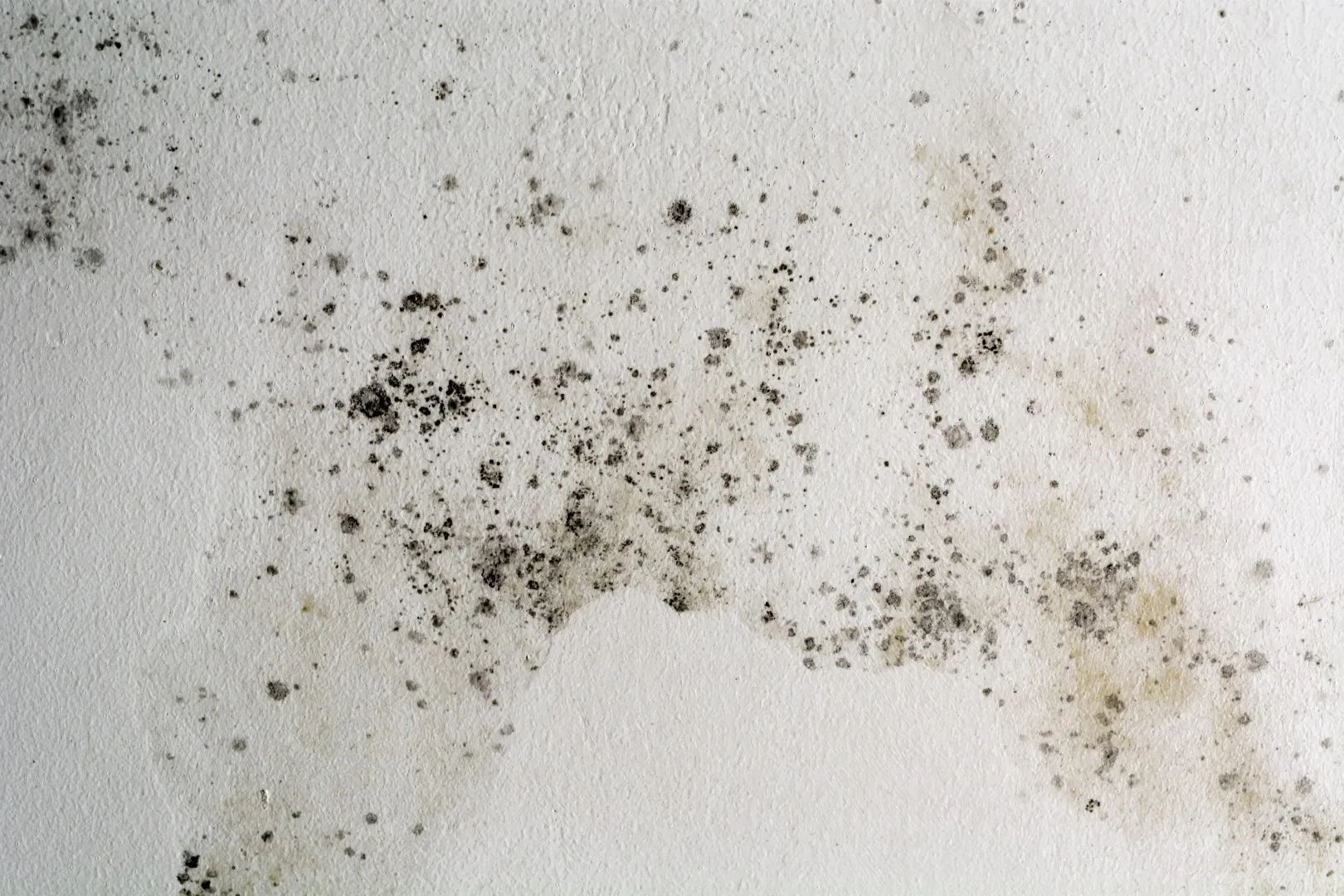
Mold can grow behind walls, under flooring, inside cabinets, or above ceilings, often without visible signs. And as it grows, it emits gases known as microbial volatile organic compounds (MVOCs), which produce a distinct musty odor. Even a small patch of mold can produce a strong smell.
How to fix it:
- Inspect areas where there was previous water damage or excess condensation
- Clean small surface mold with appropriate cleaners
- For larger or hidden growth, contact a professional mold remediation company
- Find and address the source of moisture to prevent regrowth
The Environmental Protection Agency (EPA) recommends professional remediation if the area of mold is larger than 10 square feet.
3. Water Damage That Was Never Fully Dried
Past flooding, hidden leaks, or spills that weren’t thoroughly dried can leave moisture trapped in carpets, padding, drywall, or subfloors, leading to lingering musty odors.
How to fix it:
- Remove and replace water-damaged materials when necessary
- Use professional drying equipment after water incidents
- Schedule a moisture inspection if odors persist
4. Poor Ventilation
Homes with limited airflow trap damp, stale air. This is most common in older homes or tightly sealed modern homes without adequate ventilation.
How to fix it:
- Improve airflow with properly placed vents and fans
- Open windows when the weather allows
- Consider whole-home ventilation or air exchange systems
- Keep doors open in low-airflow areas like closets and basements
After improving poor ventilation, use air purifiers with activated carbon filters to further trap and neutralize odors.
5. Dirty or Contaminated HVAC Systems and Air Ducts
Dust, debris, pet dander, and moisture inside air ducts or HVAC components can create musty odors that circulate throughout the home.
How to fix it:
- Replace HVAC filters regularly
- Schedule professional duct cleaning when needed (at least every three to five years)
- Have your HVAC system inspected for condensation or mold issues
- Keep drain pans and condensate lines clean
6. Damp Carpets, Rugs, and Upholstery
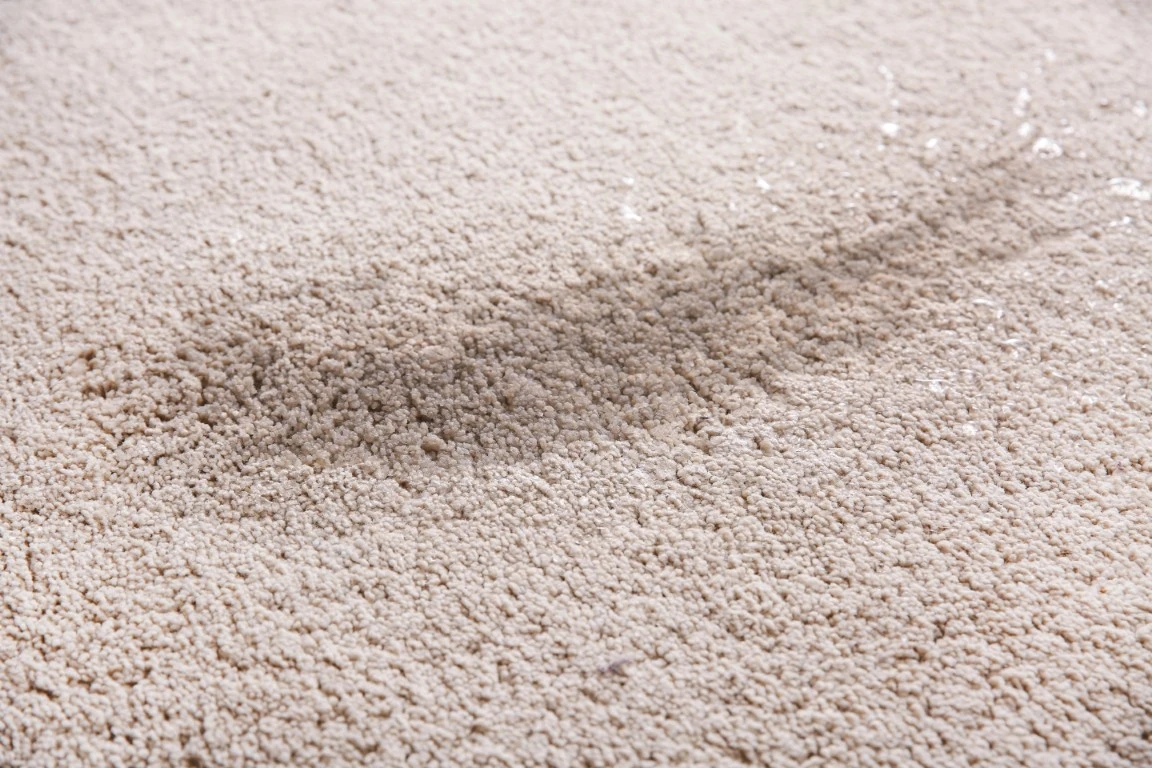
Carpets and fabrics absorb moisture from spills, humidity, or flooding and can hold smells long after they appear dry.
How to fix it:
- Steam clean carpets and upholstery
- Dry wet areas quickly using fans and dehumidifiers
- Replace padding or flooring if odors persist
- Avoid putting carpet in moisture-prone areas like basements
- Avoid letting damp laundry sit in a pile for long periods
7. Crawl Spaces and Basements
Unsealed crawl spaces and basements often collect moisture from the ground, which can lead to mold growth and odors that travel upward into living spaces.
How to fix it:
- Install vapor barriers in crawl spaces
- Seal cracks or gaps in your home’s foundation
- Use sump pumps or other drainage solutions if water intrusion occurs
- Consider professional encapsulation services
- Keep storage areas clean, dry, and well ventilated
- Store items in plastic bins rather than cardboard boxes
How Moisture Moves Through a Home
Moisture typically doesn’t stay in one place—it travels through:
- Air circulation systems
- Porous materials like drywall, wood, and carpet
- Wall cavities and subfloors
This is why it can be difficult to locate the source of the smell and why you may need professional moisture detection.
When to Call a Professional
If musty odors persist despite your best efforts, consider bringing in a professional. Water damage restoration, mold remediation, and indoor air quality experts have specialized tools to locate hidden moisture, eliminate odors at the source, and help prevent future problems.
Freshen Your Home the Right Way
Masking odors with air fresheners only hides the problem. The key to eliminating musty smells is identifying the source and correcting it, whether that means improving ventilation, reducing moisture, or addressing hidden damage. A clean, dry home is not only more comfortable but also healthier.