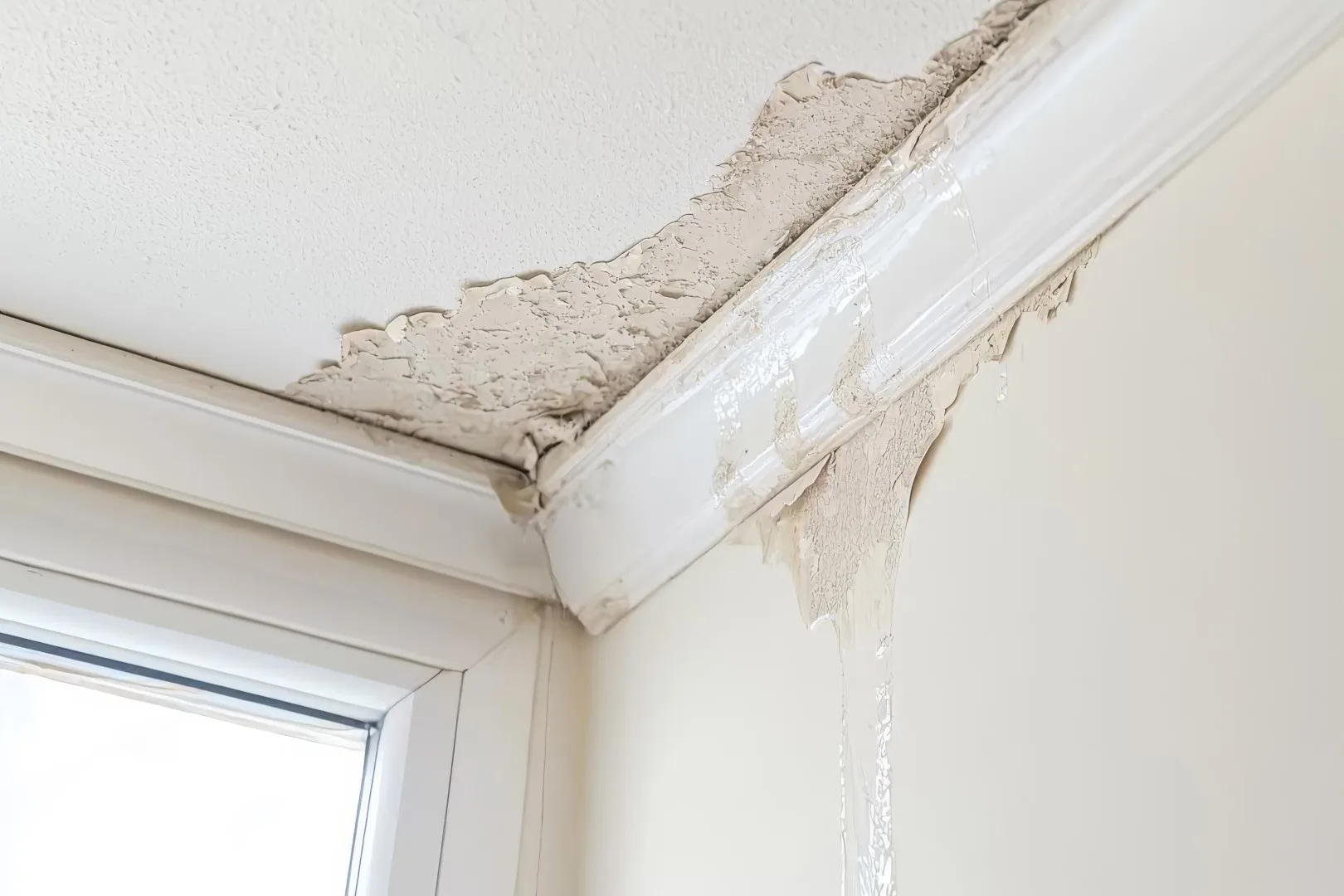
When water damage occurs in your home or business, restoration professionals will need to assess the situation before beginning cleanup. During this process, you may hear terms like Category 1, Category 2, or Category 3 water or clean, gray, and black water. Restoration companies use these classifications to determine the level of contamination in water and the necessary steps needed to safely restore the affected area.
Below, we will discuss the difference between each category, so you know what steps to take.
Category 1: Clean Water
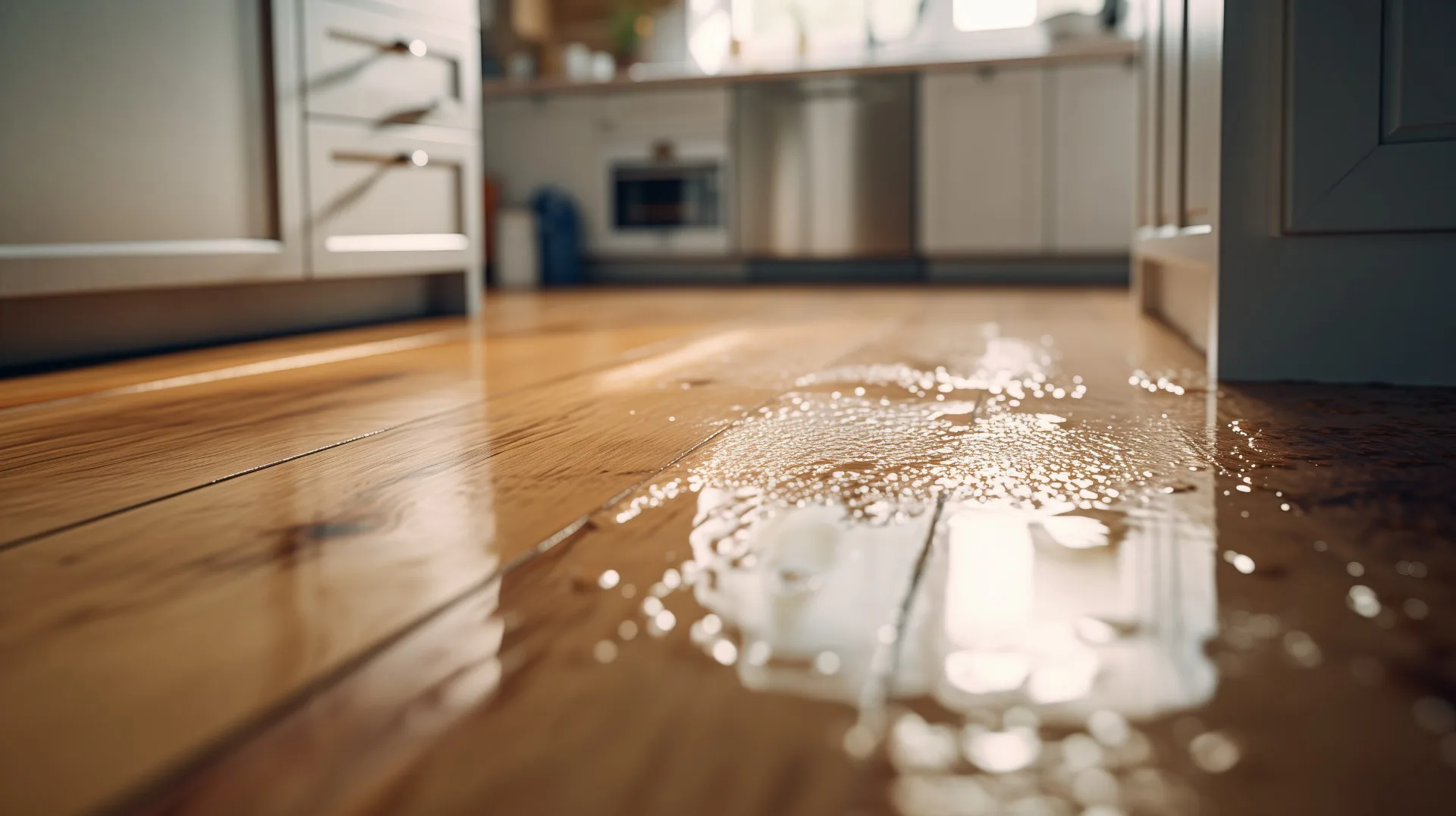
Category 1 water, often referred to as clean water, comes from a sanitary source and poses little immediate risk to people. This type of water damage typically originates from broken supply lines, overflowing sinks or bathtubs, malfunctioning appliances (like dishwashers or washing machines), melting ice/snow, or leaking pipes.
While Category 1 water starts out clean, it may not stay that way for long. If left untreated, it can quickly absorb contaminants from building materials, dust, and bacteria, eventually degrading into Category 2 or even Category 3 water within 24 to 48 hours.
This water can often be dried in place, but it still requires quick action to avoid potential contamination, such as mold or mildew.
Category 2: Gray Water
Category 2 water, also known as gray water, contains significant levels of contaminants that may cause illness or discomfort (skin rashes, gastrointestinal distress, or respiratory irritation) if someone ingests it or comes into contact with it. This water often carries microorganisms, chemicals, or other pollutants.
Gray water damage often comes from washing machine discharge, dishwasher overflows, toilet overflows only containing urine, sump pump failures, water from aquariums, or waterbeds.
Gray water can pose health risks, and it typically requires professional cleanup, disinfection, and drying. Porous materials, such as carpet, insulation, and drywall, may need to be removed if they’ve been heavily affected. Letting materials dry naturally when contaminated with gray water will create a breeding ground for bacteria.
Category 3: Black Water
Category 3 water, or black water, is the most dangerous form of water contamination. It contains harmful bacteria, pathogens, and potentially toxic substances that can cause serious illness. It should be treated as a biohazard incident that poses a risk to human life.
This water can contain E. coli, Salmonella, Shigella, Norovirus, Hepatitis A, Rotavirus, Giardia, cryptosporidium, pesticides, and heavy metals. These contaminants can cause severe dysentery, organ failure, skin infections, fever, respiratory distress, and even death.
Sources of Category 3 water include sewage backups, floodwater from rivers or streams, storm surges or heavy flooding, and toilet overflows including fecal matter. Water that has remained stagnant for over 48 hours can also become highly contaminated.
Because of the health hazards involved, restoration professionals use specialized protective equipment and strict sanitation procedures when dealing with Category 3 water. Many materials that come into contact with black water must be removed and disposed of rather than cleaned.
If you suspect you have black water damage, you should avoid the area, as skin contact could be dangerous.
Why Water Categories Matter
The Institute of Inspection, Cleaning, and Restoration Certification (IICRC) created these categories to quantify the risk of water based on its source and potential for containing pathogenic, chemical, or biological agents.
Water classification also helps restoration crews understand how to approach the cleanup. It determines the level of protective equipment needed, which materials can be salvaged and which must be removed, the disinfection procedures required, and the overall restoration timeline.
A Category 1 incident may only involve simple drying and dehumidification, while Category 3 damage often requires extensive demolition, sanitation, and rebuilding.
When to Call a Restoration Professional
Even small leaks can quickly turn into major problems if they aren’t addressed promptly. If you experience flooding, sewage backups, or significant water damage, contact a professional restoration company to ensure the water is properly categorized, removed, and sanitized.
Experienced technicians have the equipment and training to safely restore your property, reduce health risks, and prevent further structural damage.
The Bottom Line
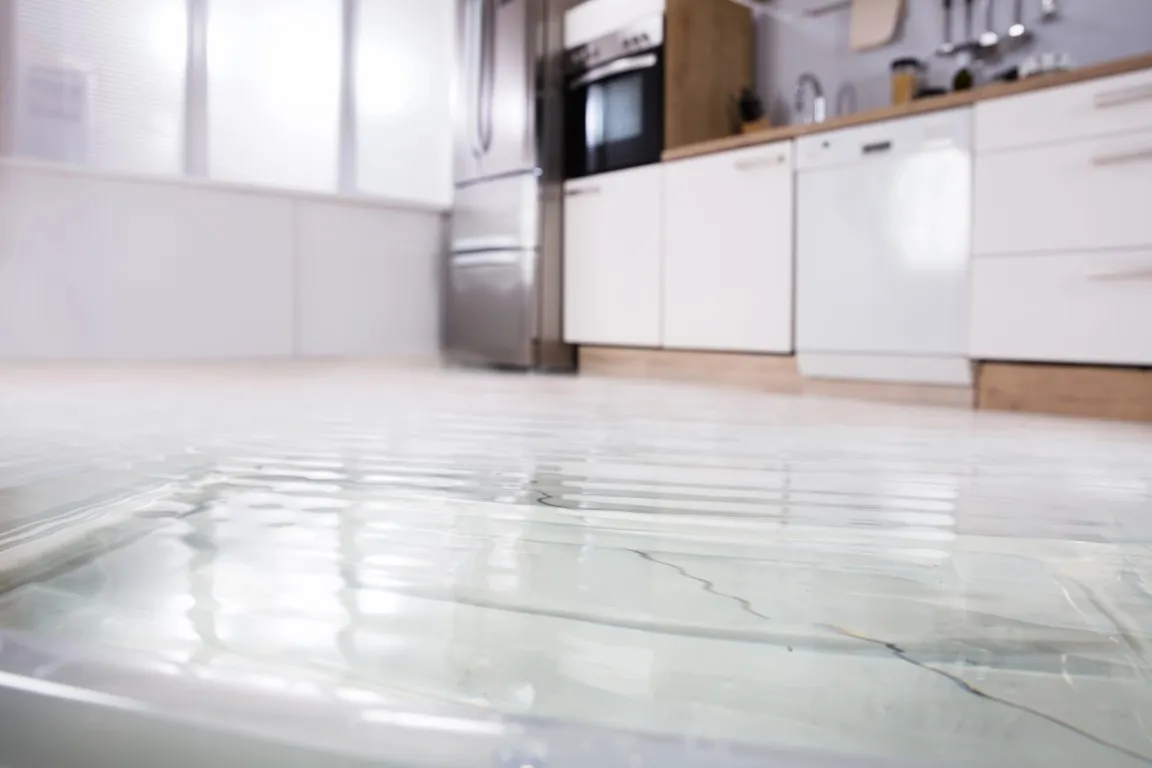
Homeowners should know the difference between Category 1, 2, and 3 water, so they understand what steps to take, what dangers they could be facing, and why they should invest in professional restoration. Professional teams have the training, technology, and safety protocols needed to assess the situation, remove contaminated materials when necessary, and thoroughly dry and sanitize the affected areas.
If you experience water damage, contact a restoration professional as soon as possible to ensure your space is safely and properly restored.