
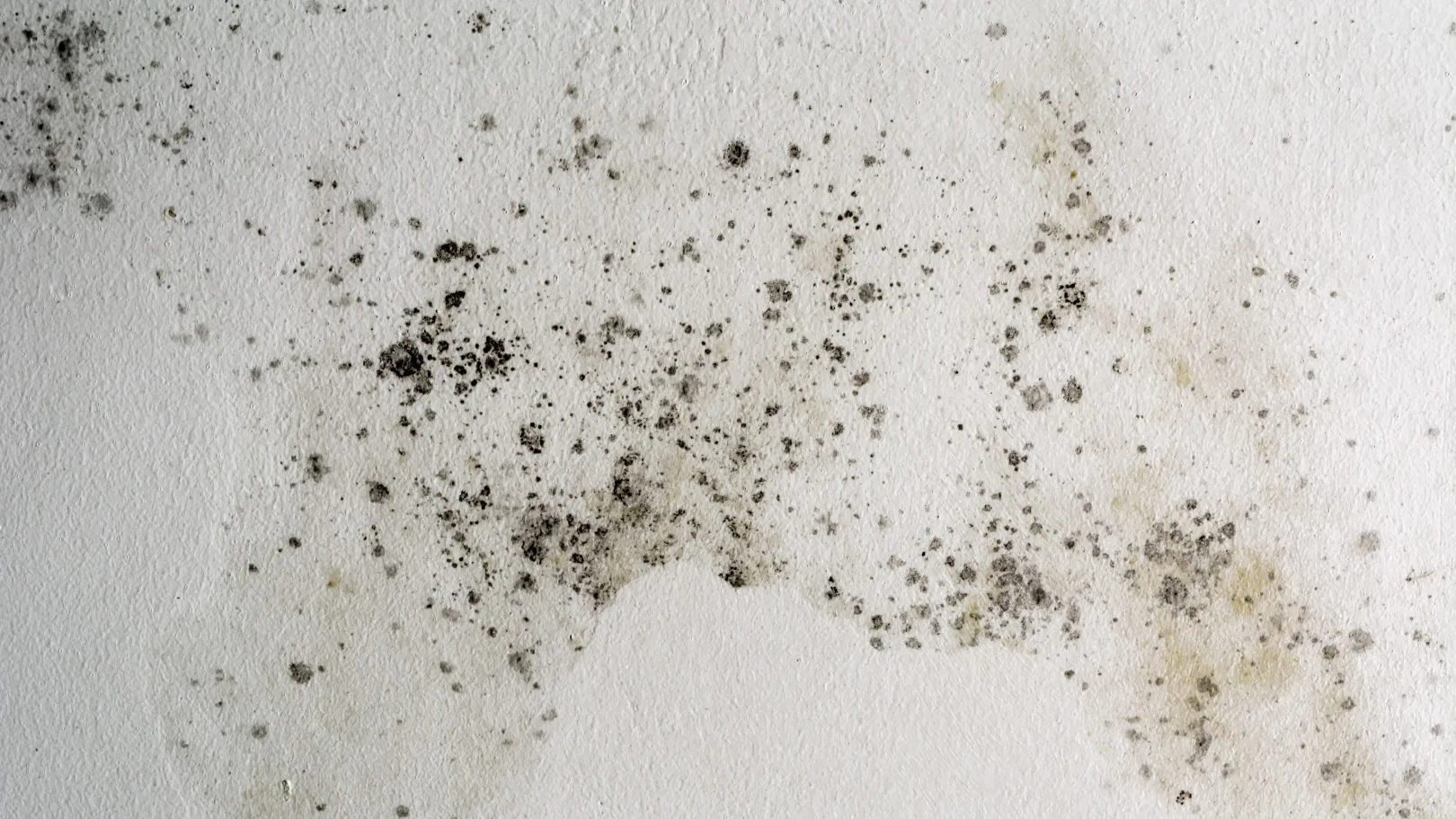
Mold can develop quickly and turn from a minor nuisance into a major concern in as little as 48 hours. If you’ve smelled musty odors, seen visible growth, or experienced recent water damage, you may wonder whether you should test for mold or skip straight to cleaning up the affected areas.
Below, we will break down how mold testing works, what it actually tells you, and when it’s worth the investment.
What Is Mold Testing?
Mold testing is the process of identifying the presence, type, and concentration of mold spores in your home or business. It’s typically performed by a professional using specialized tools and lab analysis.
The goal isn’t just to confirm that mold exists, because many properties have small amounts of mold spores present in the air, but to determine whether you have an abnormal amount of mold in your home. It also helps professionals figure out where it may be coming from.
How Mold Testing Works
Visual Inspection
A certified technician starts with a thorough inspection of your property. They’ll look for visible mold growth, water damage or staining, musty or earthy odors, and sources of moisture, such as leaks, excess humidity, or condensation.
In many cases, this step alone can confirm whether you have a mold issue.
Air Sampling
A professional collects air samples both indoors and outdoors using a pump that collects spores on a filter. Indoor samples show what you’re breathing inside, and outdoor samples act as a baseline for comparison.
If indoor spore levels are significantly higher than outside, or if certain types are present indoors but not outdoors, you may have a problem.
Surface Sampling
Technicians may take samples from walls, ceilings, or other surfaces using swabs or tape lifts. This helps them identify the type of mold growing in a specific area. They may need to remove materials like drywall or insulation for an accurate analysis.
Lab Analysis
Technicians send samples to a laboratory where experts identify mold species (such as Aspergillus, Penicillium, or Stachybotrys) and spore concentration levels. After analysis, you’ll typically receive a detailed report explaining what was found.
Report & Recommendations
A good mold test report will include the types of mold detected, spore counts, comparison to normal levels, and recommendations for remediation (if needed).
When You Actually Need Mold Testing
Mold testing isn’t always necessary. Many professionals skip it for properties with obvious outbreaks. However, here’s when you should invest in mold testing:
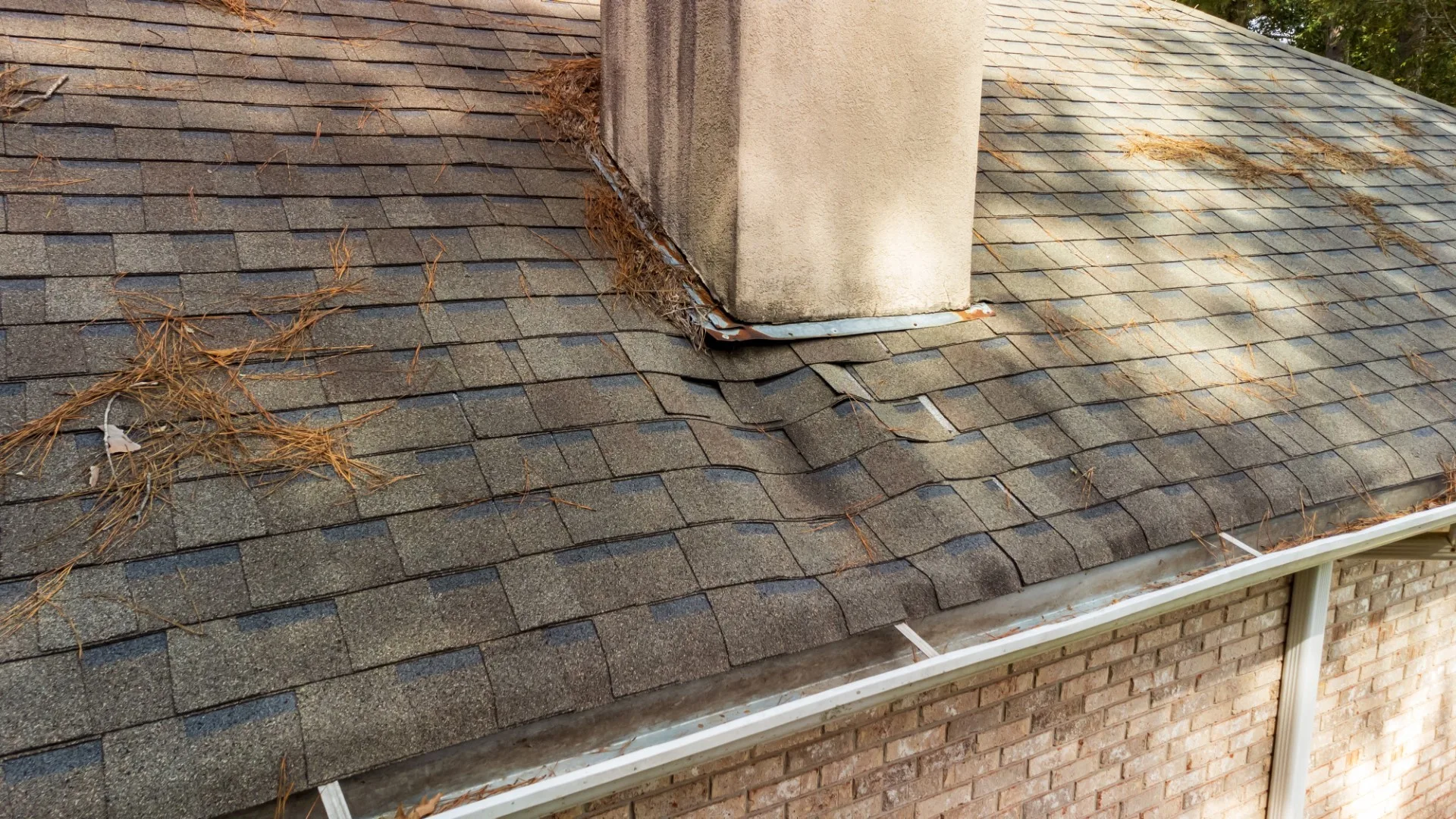
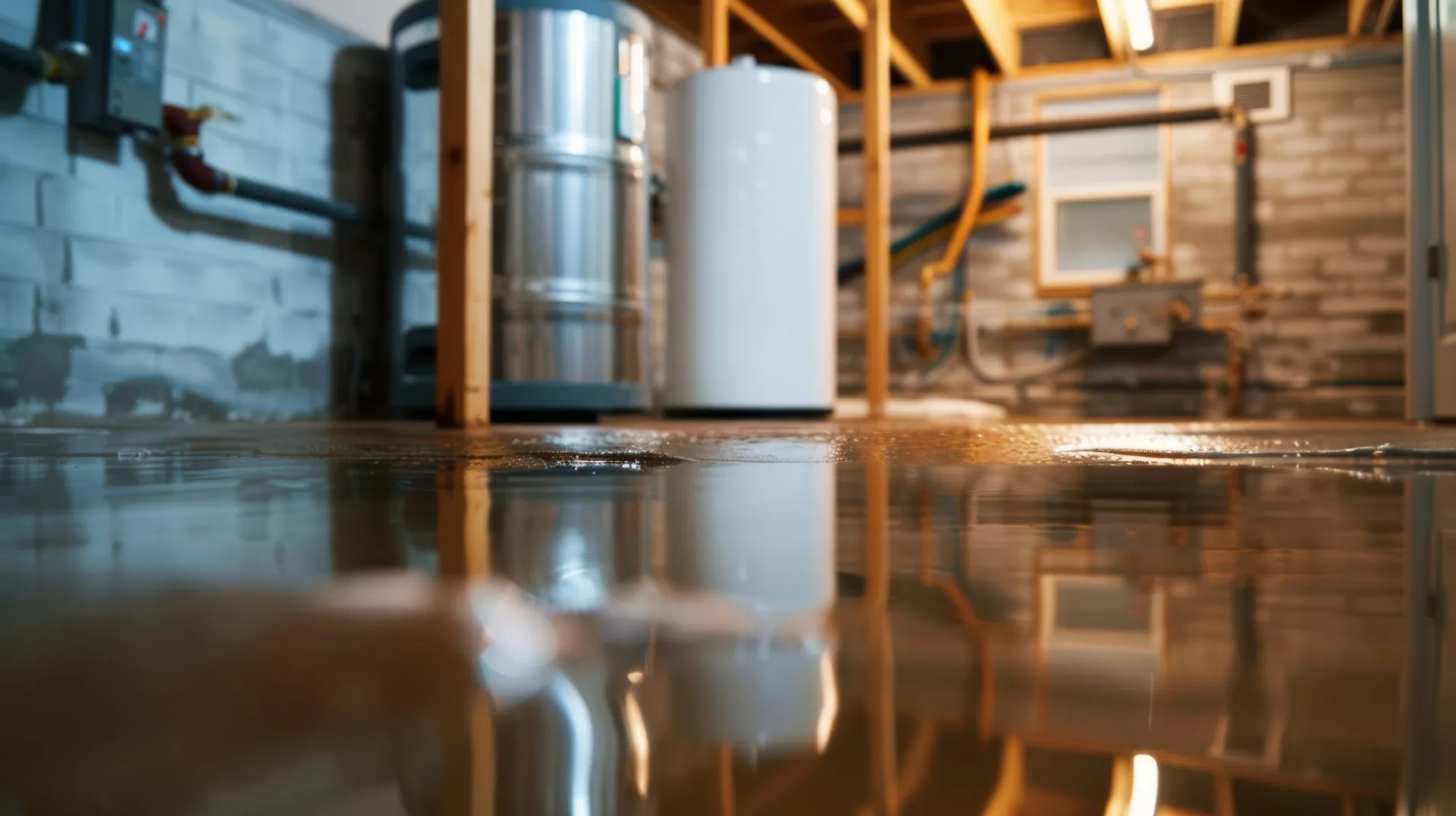
After Water Damage — If your home has experienced flooding, a leak, or a burst pipe, testing can help determine whether mold has grown behind walls or in hidden areas.
When Mold Isn’t Visible (But You Suspect It) — You may want testing done if you notice persistent musty odors, experience allergy-like symptoms, or have dealt with water issues in the past but saw no visible mold.
For Real Estate Transactions — Buyers and sellers often schedule mold testing to document indoor air quality, avoid liability issues, and give themselves peace of mind during inspections.
To Verify Cleanup Was Successful — After remediation, testing can confirm whether mold levels have returned to normal. This is often referred to as clearance testing.
When Mold Testing Is Not Necessary
Here are a few situations where mold testing may just add unnecessary cost:
Visible Mold is Already Present — If you can clearly see mold growth, you will need remediation no matter what the test reveals. In this case, it’s usually better to skip this step and go straight to removal.
Small, Isolated Areas — For minor mold (like a small patch in the bathroom), you can often clean it safely without professional analysis.
You’re Not Planning to Act on the Results — If test results won’t influence whether or not you get rid of the mold, it may not be worth it.
What’s the Difference Between Mold Testing and Mold Inspection?
Inspection — Professionals identify visible issues and detect sources of moisture.
Testing — Experts provide scientific data about mold presence and levels.
Many reputable companies offer both together, so you can get a complete picture.
The Bottom Line
Mold testing can be a powerful tool, but only when it’s used in the right situations. If you have clear, visible mold, you should focus on safe, thorough removal. But if you’re dealing with hidden issues, experiencing health concerns, or wanting post-remediation verification, this extra step can provide valuable clarity and peace of mind.
When in doubt, a professional inspection is often the best thing to do first. From there, you can decide whether you need testing or if you can move straight into remediation.