

When temperatures drop and furnaces kick on, homes naturally become more closed up, and indoor air quality starts to suffer. Dust, allergens, dry air, and contaminants can build up quickly, so you need to stay proactive about the air your family breathes during the winter. Fortunately, with a few simple habits and smart upgrades, you can keep your home healthier, more comfortable, and more energy-efficient all season long.
Signs of Poor Air Quality
- Headaches, dizziness, and fatigue
- Eye, nose, and throat irritation
- Worsened allergies and asthma
- Difficulty breathing, coughing, sneezing, and congestion
- Stale, musty, or “sour” smells
- Visible mold from excess moisture
- Excessive dust accumulation
- An increase in pests like cockroaches or rodents
How to Keep Your Air Clean and Fresh During the Winter
1. Replace or Upgrade Your Air Filters
Your HVAC system works harder during colder months, which means air filters get dirtier faster. A clogged filter doesn’t just reduce airflow — it circulates dust and allergens throughout the home.
To maintain good air quality, you should:
- Replace standard filters every 30 to 60 days
- Consider upgrading to a high-efficiency pleated filter for better particle capture
- Change filters more frequently if you have pets or allergies
2. Schedule a Heating System Tune-Up
Annual maintenance keeps your furnace running clean and efficient. A professional tune-up includes:
- Cleaning and lubricating internal components
- Checking for carbon monoxide leaks
- Ensuring proper airflow
- Inspecting your heat exchanger and blower motor
- Verifying thermostat settings and system controls
This not only improves air quality but also protects you from unexpected winter breakdowns.
3. Keep Humidity at Healthy Levels
Cold air is naturally dry, and dry indoor air can worsen allergies, dry out skin, and irritate sinuses. Aim for 30 to 50% indoor humidity. To do this:
- Use a dehumidifier in humid climates to reduce excess moisture and bacteria
- In dry climates, use a humidifier to add moisture to the air and prevent dryness and irritation.
- Add houseplants that release moisture to help maintain humidity levels
- Avoid over-humidifying, which can lead to mold or mildew growth
4. Ventilate When Possible
Even in winter, your home needs fresh air. To improve ventilation, you can:
- Open windows for a few minutes during the warmer parts of the day
- Use kitchen and bathroom exhaust fans
- Install an energy recovery ventilator (ERV) for balanced airflow without losing heat
5. Clean Your Air Ducts as Needed

Ducts can accumulate dust, pet hair, pollen, and microbial growth. If you smell musty odors, experience uneven airflow, see visible debris around vents, or have an unexplained increase in allergy or respiratory issues, your ducts may benefit from a professional cleaning. Clear ducts (and vents) reduce airborne pollutants and help your system operate more efficiently.
In addition, leaky ducts can let in contaminants that will then circulate around your house, causing poor air quality. Have your ducts inspected and sealed to prevent debris from entering your home.
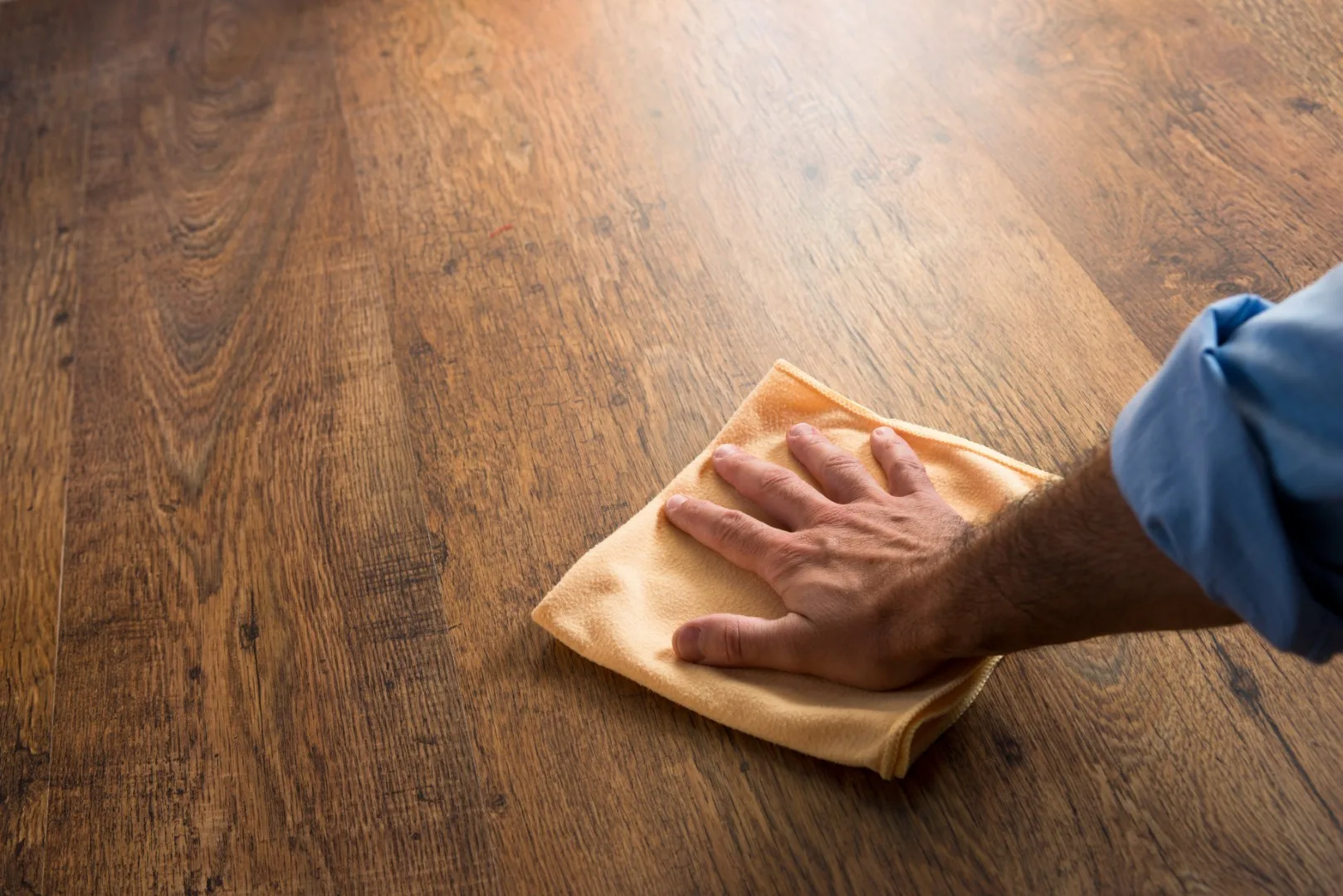
6. Keep Floors and Surfaces Dust-Free
Dust and allergens settle on floors, carpets, and furniture, and your heating system can recirculate them. To improve air quality:
- Vacuum weekly with a HEPA-filter vacuum
- Dust with a microfiber cloth that traps particles
- Clean carpets or area rugs seasonally
- Sweep and mop hardwood and tile floors frequently
7. Consider Air Purification Upgrades
If you want a noticeable improvement in air quality, especially during high-usage heating months, consider investing in air purifiers. Options include:
- Portable HEPA air purifiers for bedrooms and living rooms
- Whole-home air purification systems installed inside your HVAC system
- UV air sanitizers that neutralize bacteria, mold, and viruses
8. Reduce Chemical Pollutants
During winter, indoor pollutants become more concentrated. To keep your home healthy, you should:
- Avoid aerosol sprays and harsh chemical cleaners
- Use natural or non-toxic cleaning products
- Choose low-VOC paints and household products
- Reduce the use of candles and incense
- Store chemicals like paint or gasoline outside of living spaces
9. Check for Carbon Monoxide Safety
Your heating system can put your home at risk. To stay safe:
- Install carbon monoxide detectors on every level of your home
- Replace detector batteries annually
- Have gas furnaces, dryers, and fireplaces inspected for safe operation
Don’t Neglect Air Quality this Winter
The heating season doesn’t have to result in stale or polluted indoor air. With regular maintenance, smart ventilation, and a few easy habits, you can keep your home comfortable, healthy, and protected all winter long. Whether you choose to upgrade your air filters, add purification, or schedule a system tune-up, each improvement brings you one step closer to clean indoor air.