

A fire can start in seconds and cause devastating damage before help arrives. Fortunately, you can prevent many residential and commercial fires by taking a few simple precautions. Understanding basic fire safety can help protect lives, minimize property damage, and give you peace of mind.
Here’s a practical fire safety guide everyone should know.
Common Causes of Fires
To prevent fires, you need to know what causes them. Some of the most common reasons flames erupt include:
- Cooking accidents (unattended stoves or grease fires)
- Electrical issues (faulty wiring, overloaded outlets)
- Heating equipment (space heaters too close to flammable items)
- Candles and open flames
- Smoking materials (carelessly discarded cigarettes)
- Improper storage of flammable liquids
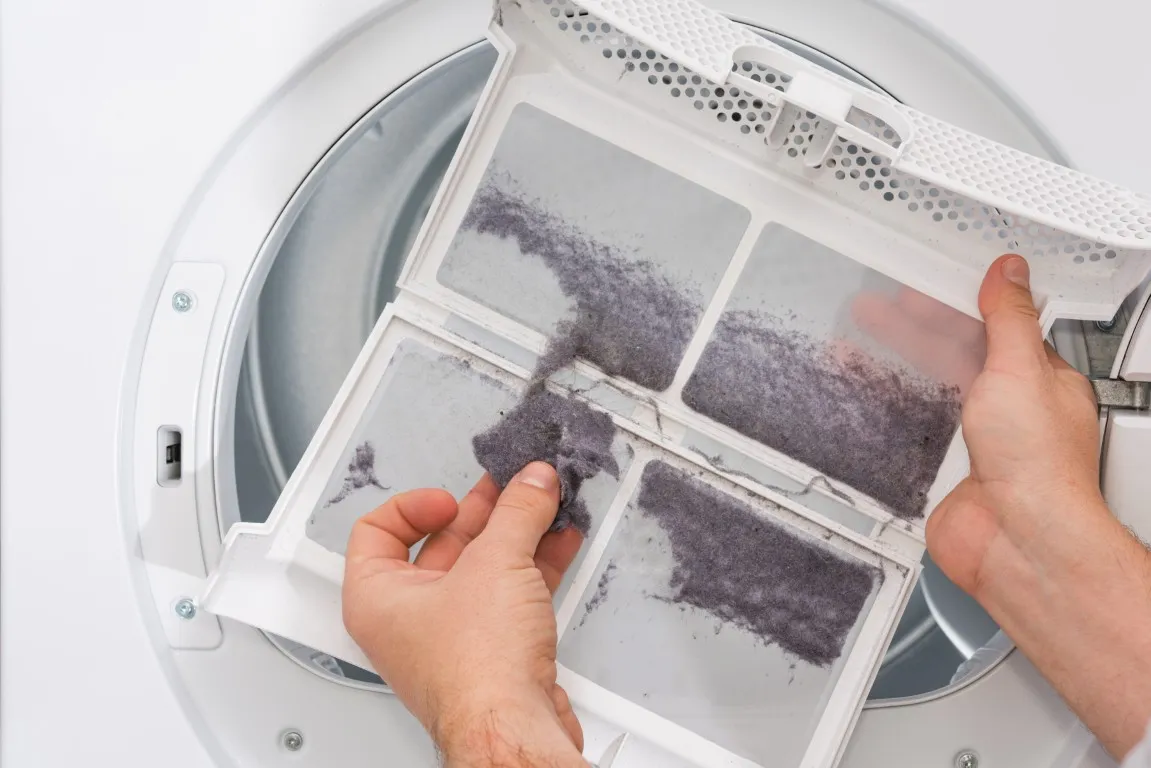
- Lint buildup in clothes dryer vents
Being aware of these risks can help you make safer choices every day.
Simple Fire Safety Tips
Install and Maintain Smoke Alarms
Smoke alarms are one of the most effective fire safety tools available. To maximize their usefulness:
- Place them in every sleeping room and outside each separate sleeping area.
- Install them on every level of the home, including the basement
- Consider using interconnected models (if one alarm sounds, they all sound)
- Test them all at least once a month by pressing the test button
- Replace their batteries at least once a year
- Replace the entire unit every 10 years
Early detection saves lives by giving occupants time to escape.
Inspect and Clean Your Dryer
Because lint is highly flammable, a clogged dryer vent is a fire waiting to happen. To keep a disaster from starting in your laundry room:
- Inspect the dryer vent hose for lint buildup or kinks
- Clean your dryer vents at least once a year or every six to nine months if you have pets or a large family
- Never run your dryer while asleep or away from home
- Clean the lint screen before or after each load of laundry
Staying on top of dryer maintenance and cleaning will keep your home and your family safe.
Use Electrical Equipment Safely
Electrical fires are more common than you may think. To reduce risk:
- Avoid overloading outlets and power strips
- Replace damaged cords immediately
- Keep electrical devices away from water
- Hire a professional for wiring repairs or upgrades
- Unplug appliances when not in use
If you notice flickering lights, burning smells, or frequently tripped breakers, you should have everything inspected.
Be Smart about Heating
When winter arrives, you may start to use a fireplace or space heaters to combat the cold temperatures. While generally safe to use, there are still some fire safety precautions you should follow.
Space Heaters
- Place space heaters at least three feet away from anything flammable
- Use heaters with automatic shut-off and tip-over protection
- Never plug them into extension cords
Fireplaces
- Ensure your fireplace (or wood burning stove) is professionally inspected and cleaned annually to prevent dangerous creosote fires
- Burn seasoned wood to help reduce creosote buildup
Following these tips will ensure you have a warm, cozy, and safe winter season.
Be Careful in the Kitchen
The kitchen is where most household fires start, accounting for 51% of all incidents. Fire-safety cooking tips include:
- Never leave cooking unattended
- Keep flammable items away from stovetops
- Turn pot handles away from the edge
- Keep a fire extinguisher nearby
- Never use water on a grease fire (smother it or use a fire extinguisher)
Staying alert while cooking can prevent a small mistake from turning into a major disaster.
Store Flammable Materials Properly
Gasoline, cleaning chemicals, and solvents should always be stored safely.
- Keep them in approved containers
- Store them away from heat sources
- Never store flammable liquids indoors unless necessary
- Keep them out of reach of children
Proper storage reduces the risk of accidental ignition.
Create and Practice a Fire Escape Plan
In an emergency, every second counts. A fire escape plan ensures everyone knows what to do. Your plan should include:
- Two exit routes from every room
- A designated outdoor meeting place
- Clear instructions for helping children, elderly family members, or pets
- Regular practice drills (at least twice a year)
Practicing the plan helps reduce panic and confusion during a real emergency.
Know When to Call for Help
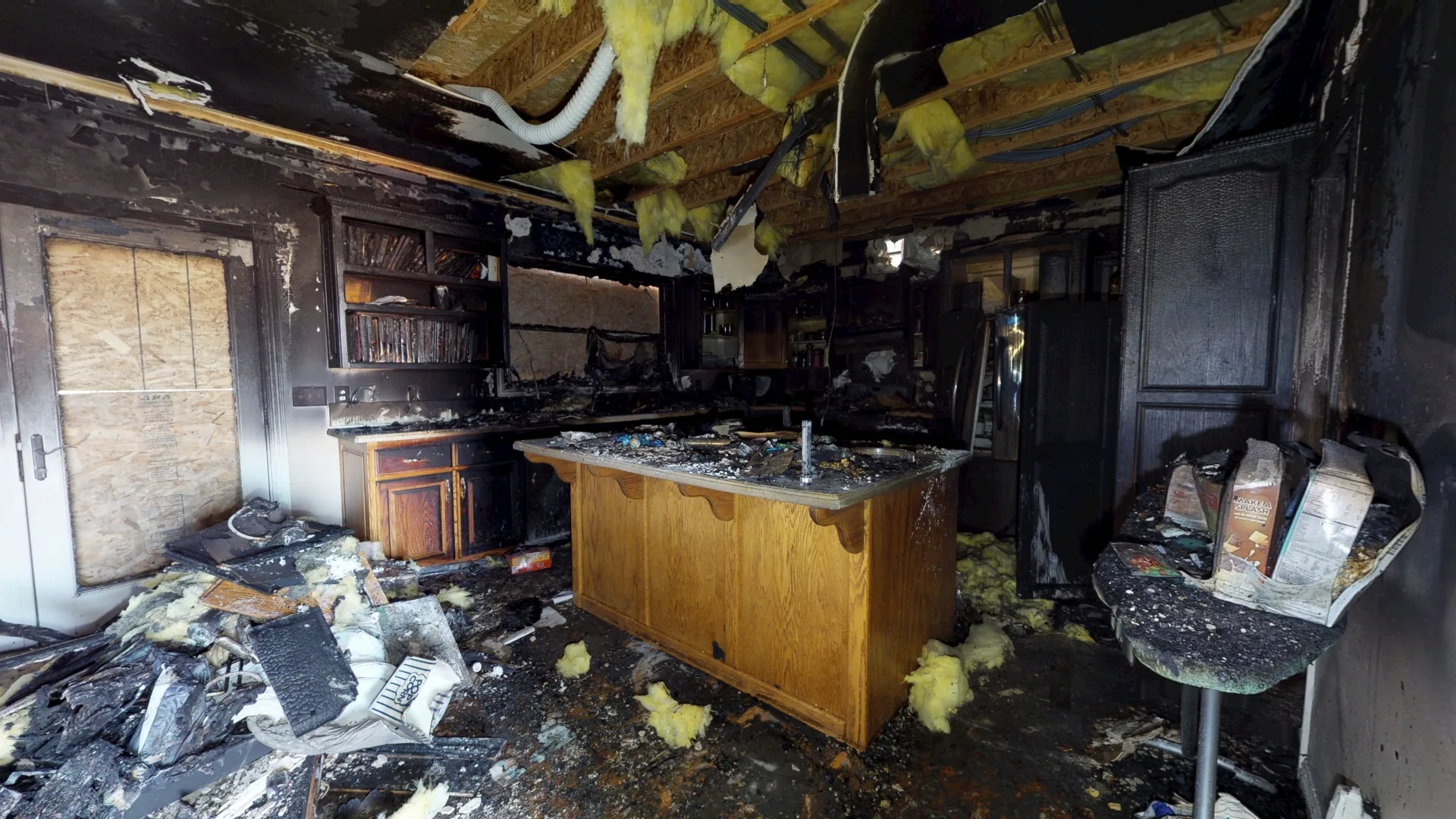
If a fire does occur, safety comes first. Once the fire department has handled the emergency, professional fire damage restoration is critical. Smoke, soot, and water used to extinguish flames can cause long-term structural damage and health concerns if not properly addressed.
Don’t Ignore Fire Risks
Fire safety doesn’t have to be complicated. Small, consistent actions — like maintaining smoke alarms, practicing escape plans, and using appliances responsibly — can make a life-saving difference.
Be proactive today to protect your loved ones and your property from disaster.