When your home or business sustains water, fire, mold, or storm damage, restoration crews typically arrive with loud machines, hoses, and high-powered fans. All this noise and machinery can be overwhelming, and you may not be sure what any of it does. So what are all those machines for, and why are they so important?
Let’s break down how restoration equipment actually works and how it helps return your property to a safe, livable condition faster.
Why Specialized Restoration Equipment Is Necessary
Damage from water, smoke, or mold can hide beneath the surface. Moisture seeps inside walls, under floors, and deep in building materials. Odors and contaminants linger in the air long after the visible damage is gone.
Household fans, shop vacs, or dehumidifiers may not be strong or precise enough to handle these conditions. Professional restoration equipment is designed to:
- Remove moisture quickly and thoroughly
- Prevent secondary damage like mold growth
- Improve indoor air quality
- Neutralize hazardous smoke residues
- Speed up the overall restoration process
Air Movers: Speeding Up the Drying Process
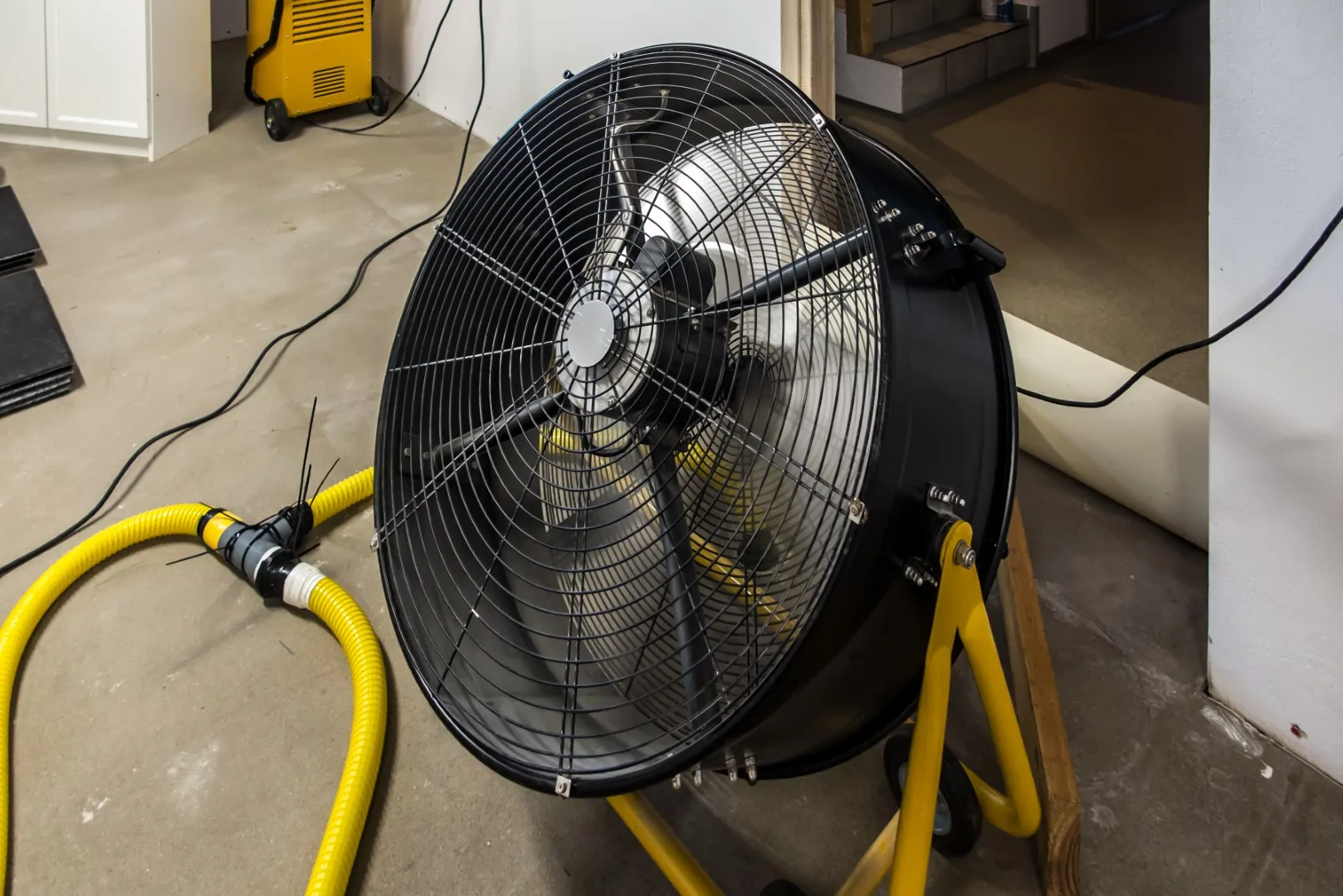
Air movers are the large, powerful fans placed around the affected area. They create a high-velocity airflow across wet surfaces. This airflow pushes moisture into the air, where it can be captured by dehumidifiers.
Air movers:
- Prevent water from soaking deeper into materials
- Reduce warping, swelling, and deterioration
- Increase the rate of evaporation
- Help dry floors, walls, carpets, and furniture evenly
Dehumidifiers: Pulling Moisture Out of the Air
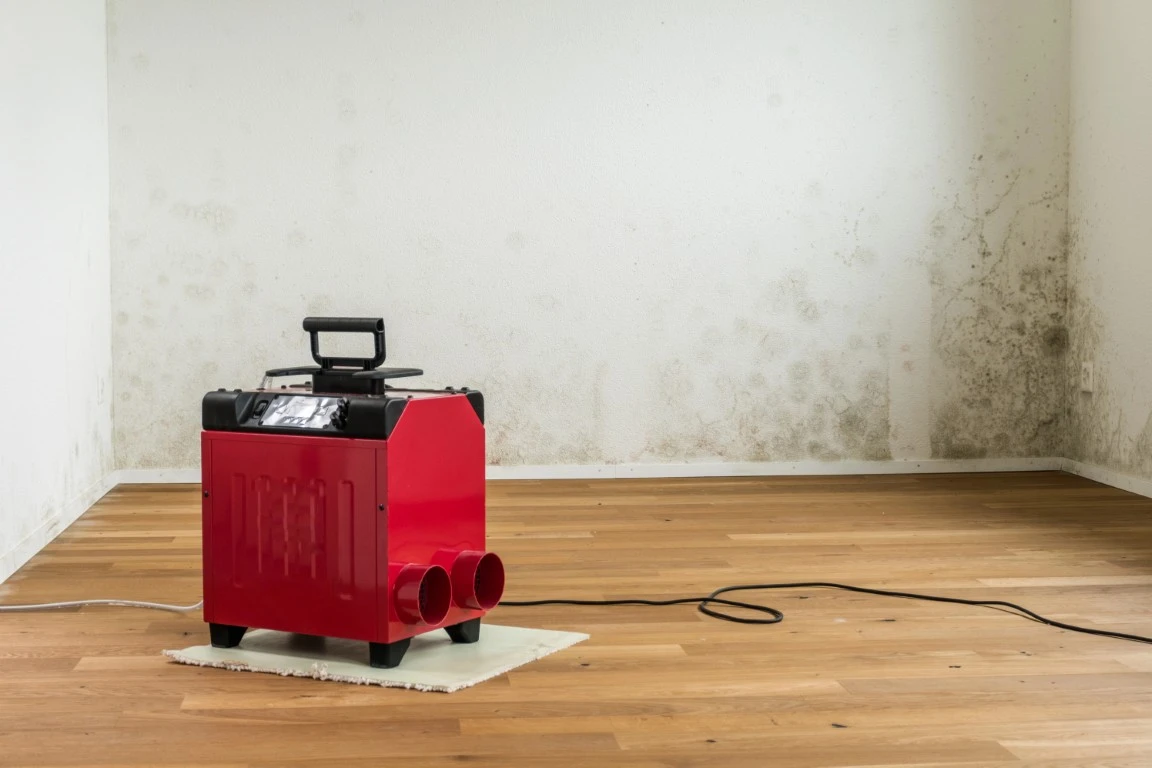
Dehumidifiers are the unsung heroes of water damage restoration. Professional units pull humid air in, remove the moisture, and release dry air back into the space. There are two main types:
- Refrigerant dehumidifiers for warmer environments
- Desiccant dehumidifiers for colder or more severe conditions
Humidifiers are important because they:
- Lower humidity levels that allow mold to grow
- Help materials dry from the inside out
- Prevent lingering dampness after surface drying
Air Scrubbers: Cleaning the Air You Breathe
Air scrubbers are commonly used during dire damage cleanup, mold remediation, and heavy water losses. They have power HEPA filters that capture airborne particles, such as:
- Mold spores
- Dust and debris
- Smoke particles
- Bacteria and allergens
Air scrubbers improve indoor air quality, reduce health risks, and prevent cross-contamination to unaffected areas.
Moisture Meters: Finding Hidden Water
Just because a surface looks dry doesn’t mean there isn’t hidden moisture somewhere. Moisture meters measure the moisture content inside materials like drywall, wood, and concrete without damaging them.
They help:
- Confirm when materials are truly dry
- Prevent mold growth in unnoticed damp areas
Thermal Imaging Cameras: Seeing What You Can’t
Thermal imaging cameras help technicians identify moisture that isn’t visible to the naked eye. They detect temperature differences caused by moisture evaporation, showing technicians where water may be trapped.
These cameras are important because they can:
- Locate leaks and hidden water quickly
- Reduce unnecessary demolition
- Improve accuracy and efficiency
Specialty Drying Systems: Targeting Hard-to-Reach Areas
Some situations require advanced drying tools, such as:
- Wall cavity drying systems
- Floor mat drying systems
- Injected air systems
These tools push air directly into enclosed spaces where traditional restoration equipment can’t reach. They can help save materials that might otherwise be removed, reduce repair costs, and speed up drying in complex structures.
Why Professional Equipment Makes a Difference
Professional restoration equipment not only dries affected surfaces faster but also does so correctly. Improper drying can lead to:
- Mold growth
- Structural damage
- Lingering odors
- Costly repairs down the line
Professional restoration teams know how to place, monitor, and adjust equipment based on moisture readings and environmental conditions.
How Restoration Equipment Prevents Mold Growth
Mold can begin growing within 24 to 48 hours after water damage. Dehumidifiers and air movers work together to reduce moisture levels quickly, eliminating the damp conditions that mold needs to thrive. Air scrubbers further protect the space by removing mold spores already present in the air. Removing mold is critical to protect you and your family’s health.
The Right Tools Equal a Clean and Safe Home
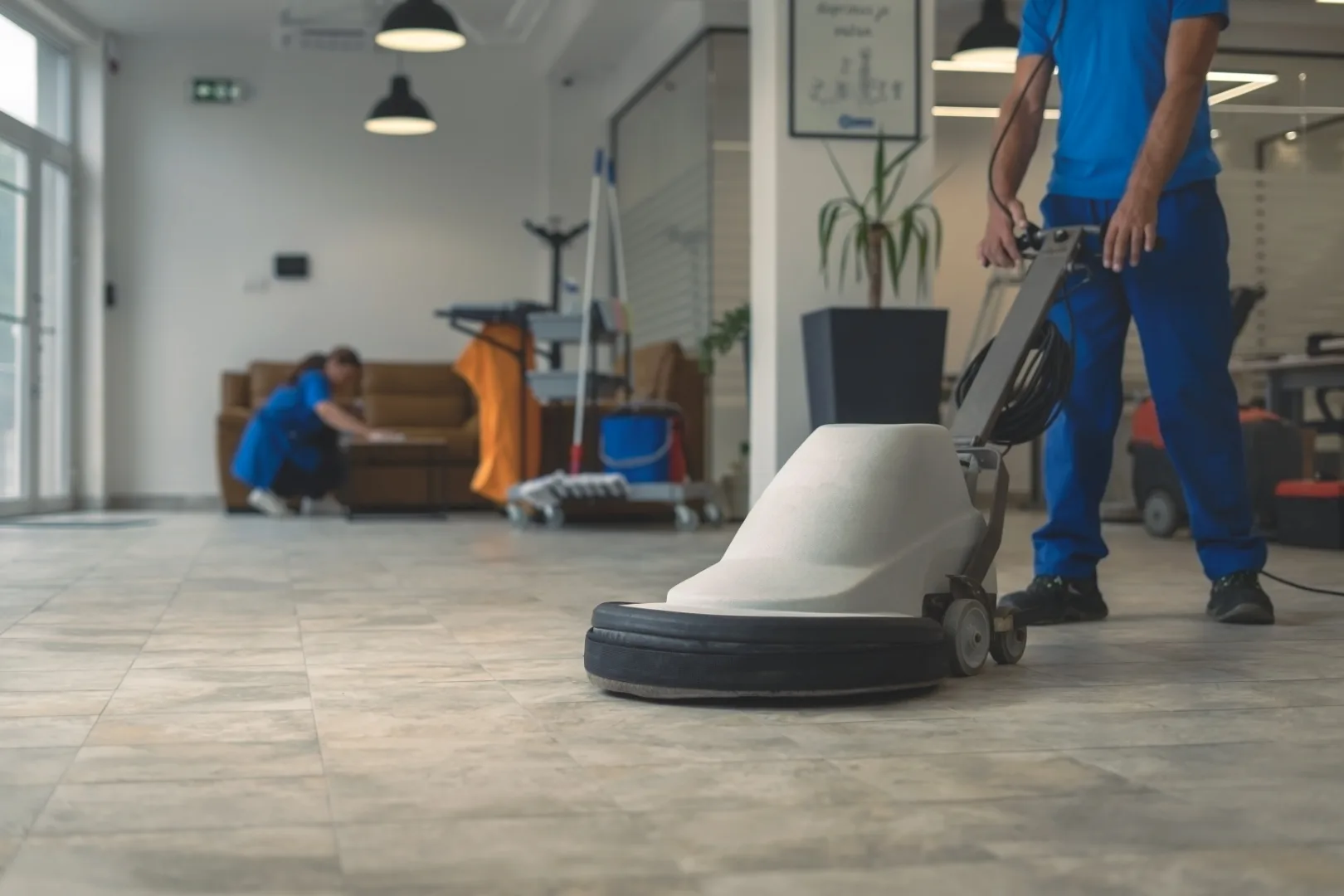
Restoration equipment may look overwhelming or even unnecessary at first, but every fan, dehumidifier, and air scrubber plays a critical role in protecting your property. These tools dry visible damage, while targeting hidden moisture, airborne contaminants, and conditions that can lead to mold or long-term structural issues. When used correctly by trained professionals, restoration equipment helps speed up recovery, reduce repair costs, and ensure you can feel safe and comfortable in your home.
In the aftermath of damage, the right equipment makes all the difference between a temporary fix and a complete, lasting restoration.