

Many homeowners worry about visible cleanliness and may not think much about indoor air quality. But the air inside your home plays a major role in your family’s comfort, health, and overall quality of life. Dust, allergens, moisture, pet dander, mold spores, and airborne pollutants can circulate throughout your home without obvious signs, affecting the air you breathe every day.
Below, we’ll discuss the importance of indoor air quality, so you can create a healthier, cleaner living environment, as well as protect your home and HVAC from long-term issues.
What is Indoor Air Quality?
Indoor air quality refers to the condition of the air inside your home and how it impacts the health, comfort, and well-being of occupants. Poor air quality can result from dust and dirt particles, pet hair and dander, mold and mildew spores, pollen and outdoor allergens, smoke and chemical pollutants, excess humidity, bacteria, and viruses.
Because modern homes are built to be energy efficient and tightly sealed, pollutants can become trapped indoors and continuously recirculated through your HVAC system.
Why Indoor Air Quality is Important
Healthier Breathing Environment
Poor indoor air quality can cause respiratory irritation, allergies, headaches, coughing, and sinus congestion. Individuals with asthma or other breathing conditions may be especially sensitive to airborne contaminants.
When you have cleaner indoor air, you reduce your exposure to irritants and create a more comfortable environment for everyone in your household.
Better Sleep Quality
Air quality can directly affect how well you sleep. Excess dust, allergens, and dry air may cause nighttime congestion, sneezing, or throat irritation. Maintaining cleaner air can support restful sleep and improve overall comfort.
Reduced Allergens in the Home
Pollen, pet dander, and dust mites commonly accumulate inside carpets, upholstery, air ducts, and HVAC filters. Without regular cleaning and maintenance, these allergens continue circulating throughout your home.
Mold Prevention
Excess moisture and poor ventilation can create conditions where mold can grow. Mold spores can spread through the air and negatively impact both your health and your property.
It’s important to control humidity and address water damage quickly to maintain healthy indoor air.
Improved HVAC Efficiency
When dust and debris build up inside your HVAC system, airflow can become restricted, forcing your system to work harder. Cleaner air systems operate more efficiently, lowering energy costs and extending the equipment lifespan.
Common Signs of Poor Indoor Air Quality
Many homeowners don’t realize they have an air quality issue until symptoms become more noticeable. Some common warning signs include:
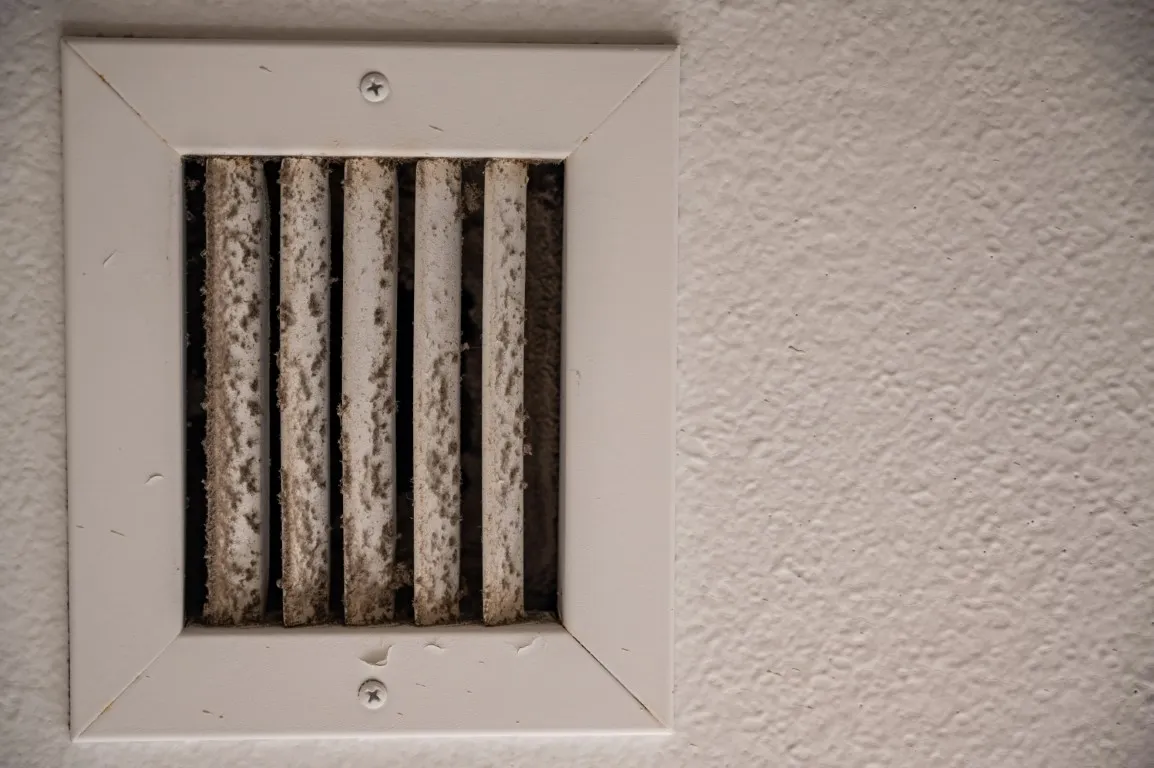
- Persistent dust buildup
- Musty odors
- Increased allergy symptoms indoors
- Uneven humidity levels
- Frequent sneezing or coughing
- Itchy, watery eyes, dry throat, or congestion
- Increased asthma attacks
- Stale or stuffy air
- Visible mold growth
- Excessive pet hair accumulation
If you notice several of these signs, you may need to evaluate your home’s air quality and cleaning needs.
How to Improve Air Quality in Your Home
Replace HVAC Filters Regularly
Air filters trap dust, allergens, and airborne particles before they circulate through your home. Dirty filters reduce efficiency and cause contaminants to spread more easily.
You should check your filters monthly and replace them every one to three months, depending on household conditions.
Schedule Air Duct Cleaning
Over time, dust and debris can collect inside your ductwork. Professional duct cleaning may help reduce airborne particles and improve airflow throughout the home.
If you have pets, have undergone recent renovations, or have experienced water damage, your home may benefit even more from a duct inspection and cleaning.
Maintain Proper Humidity Levels
You should keep indoor humidity levels between 30% and 50%. Excess moisture encourages mold and mildew growth, while overly dry air can irritate skin and respiratory passages.
You can check indoor humidity levels with a hydrometer and use a dehumidifier or humidifier, if needed, to balance your home’s atmosphere.
Clean Carpets and Upholstery
Soft surfaces can trap allergens, dust, and bacteria. Professional deep cleaning can remove contaminants that regular vacuuming may leave behind, improving both cleanliness and indoor freshness.
Improve Ventilation
Proper airflow helps remove indoor pollutants and excess moisture. Open windows when the weather allows, use exhaust fans, and ensure adequate ventilation in the kitchen and bathrooms to help improve air circulation.
Address Water Damage Promptly
You should address leaks, flooding, and excess moisture as soon as possible to prevent mold growth and lingering odors. Prompt restoration services help protect both indoor air quality and structural materials.

Better Air Quality Equals a More Comfortable Home
Indoor air quality affects nearly every aspect of your environment, from comfort and sleep quality to respiratory health and HVAC performance. By replacing filters regularly, controlling humidity, maintaining clean surfaces, and addressing air system maintenance, homeowners can create a fresher, healthier indoor space for themselves and their families.