

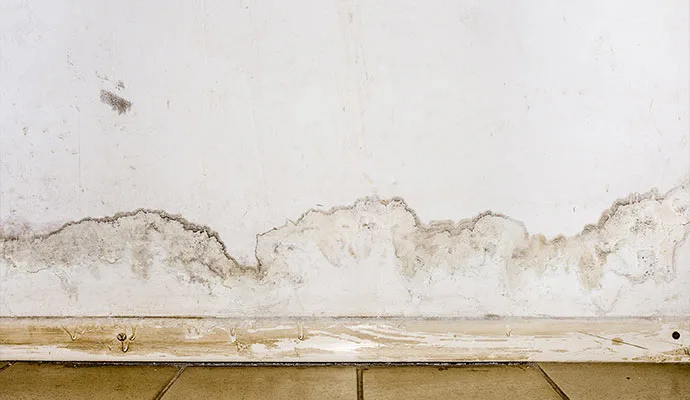
How Condensation and Poor Airflow Lead to Mold Growth
While mold can present as obvious black spots or a strong odor, in many homes, it grows quietly behind walls, under flooring, or inside ductwork. Often, this fungus is fueled by excessive condensation and inadequate ventilation. And left unaddressed, hidden mold can damage your home and negatively impact indoor air quality.
Read More9 Tips for Better Indoor Air Quality During the Winter
When temperatures drop and furnaces kick on, homes naturally become more closed up, and indoor air quality starts to suffer. Dust, allergens, dry air, and contaminants can build up quickly, so you need to stay proactive about the air your family breathes during the winter. Fortunately, with a few simple habits and smart upgrades, you can keep your home healthier, more comfortable, and more energy-efficient all season long.
Read More
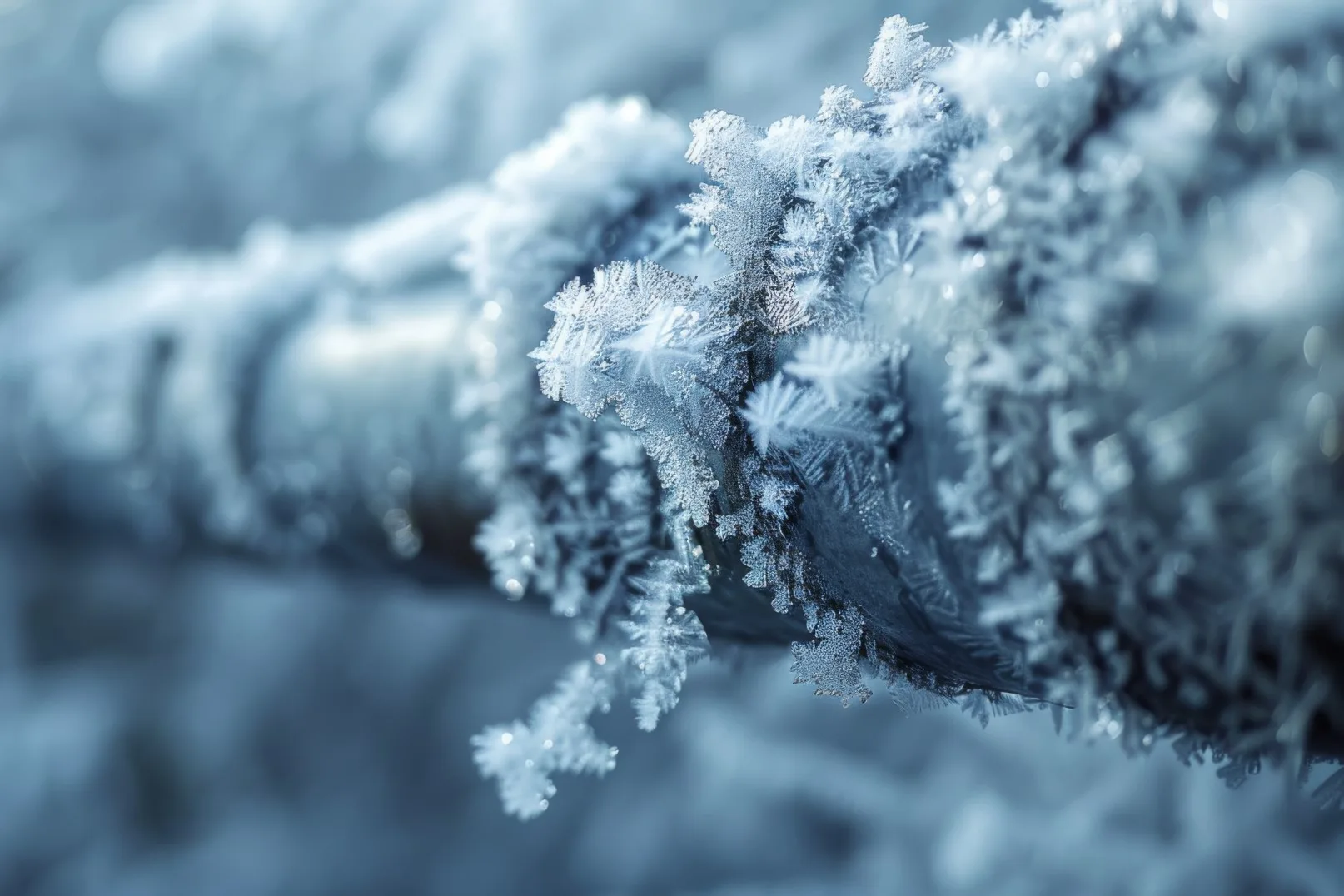
How to Prevent Frozen Pipes (and What to Do if One Bursts)
When temperatures drop, frozen pipes become one of the most common — and costly — winter plumbing emergencies. A single burst pipe can cause thousands of dollars in water damage in only a few minutes. Fortunately, with the right preparation, you can prevent most frozen pipe disasters. Here’s what homeowners need to know to protect their property and what to do if the worst happens.
Read More

- « Previous Page
- 1
- 2
- 3
- 4
- …
- 16
- Next Page »