When water damage strikes your property, you may only worry about your floors, walls, ceilings, and belongings. But water doesn’t just affect visible surfaces — it also contaminates your air ducts. Your HVAC system is designed to circulate air throughout your home, which means any hidden moisture inside your ductwork can quickly spread, causing problems for you and your home.
Here’s a closer look at what really happens inside your ducts after water damage, and why fast action is critical.
Moisture Gets Trapped in the System
Air ducts aren’t built to handle water. Whether caused by a roof leak, burst pipe, flooding, or even excessive humidity, moisture can seep into your ductwork and become trapped.
Because ducts are enclosed and often insulated, they don’t dry easily. This creates the perfect environment for dampness to linger, especially when combined with poor air flow.
Mold and Mildew Begin to Grow
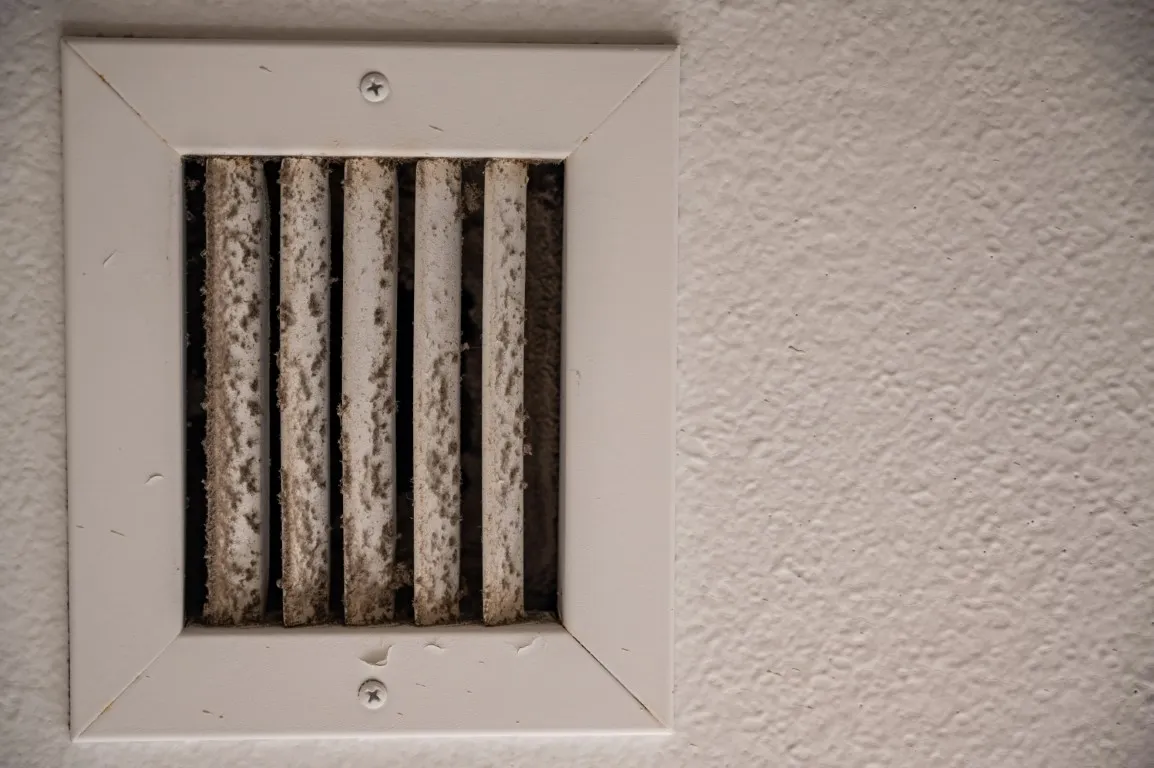
Within as little as 24 to 48 hours, trapped moisture and wet insulation can lead to mold and mildew growth. This fungi feed off dust and debris already present in your ducts, allowing mold colonies to spread quickly.
Once mold develops inside your ducts or surrounding insulation, spores circulate throughout your home, indoor air quality drops significantly, and occupants may experience respiratory issues, worsening asthma, increased allergies, headaches, or other health issues.
Mold and mildew growth is one of the biggest risks associated with water-damaged ducts.
Contaminants Spread Through the Air
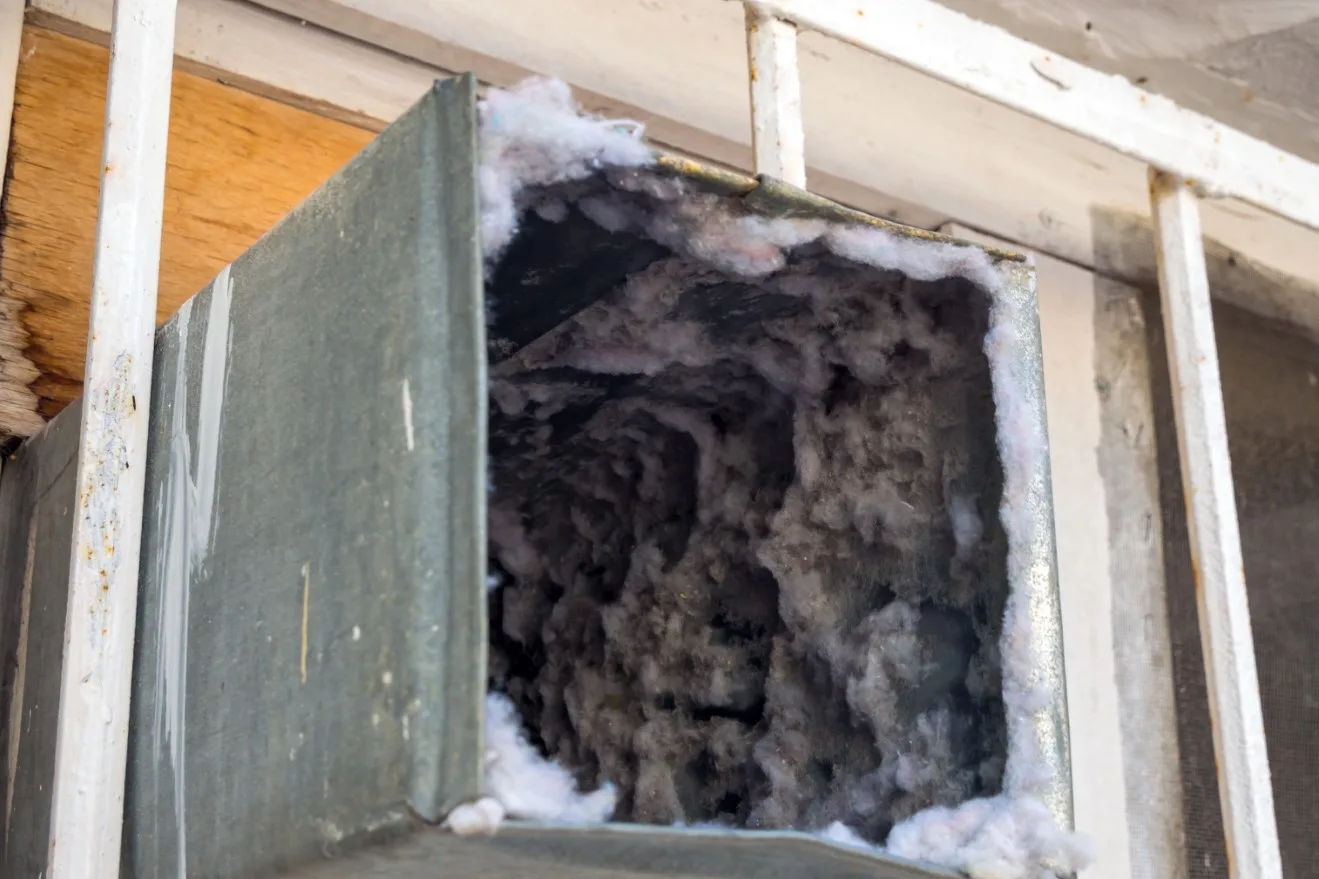
Your HVAC system continuously moves air, meaning anything inside your ducts, including mold spores, bacteria, dust, and debris, can be distributed into every room. After water damage, ducts may contain dirt and debris carried in by water, microbial growth, insulation particles, odor-causing contaminants, and even raw sewage.
Without proper cleaning, your HVAC system becomes a delivery system for pollutants.
Duct Materials Can Deteriorate
Not all ductwork is created equal. Flexible ducts and those lined with insulation are especially vulnerable to water damage.
Over time, moisture can break down insulation, rust metal ducts, reduce overall system efficiency, and lead to sagging or structural damage.
In severe cases, you may need to replace sections of ductwork, rather than have them cleaned.
Persistent Odors Develop
If you smell a musty or damp odor when your HVAC system is running, you could have a hidden issue in your ducts. Moisture or wet insulation combined with organic debris creates the perfect environment for musty odors to build.
These smells typically won’t go away on their own and can’t be eradicated by air fresheners or opening windows.
Reduced HVAC Efficiency
Water-damaged ducts can restrict or stop airflow or cause air leaks, forcing your HVAC system to work harder. This can lead to higher energy bills, uneven heating and cooling, and increased wear and tear on your system.
In addition, the fibrous insulation around ductwork can get waterlogged, reducing its ability to regulate temperature.
Ignoring the problem not only affects air quality but also impacts your comfort and your wallet.
What Should You Do After Water Damage?
If you suspect your ductwork has been exposed to water, you should act quickly:
- Don’t turn on your HVAC system until it’s safe
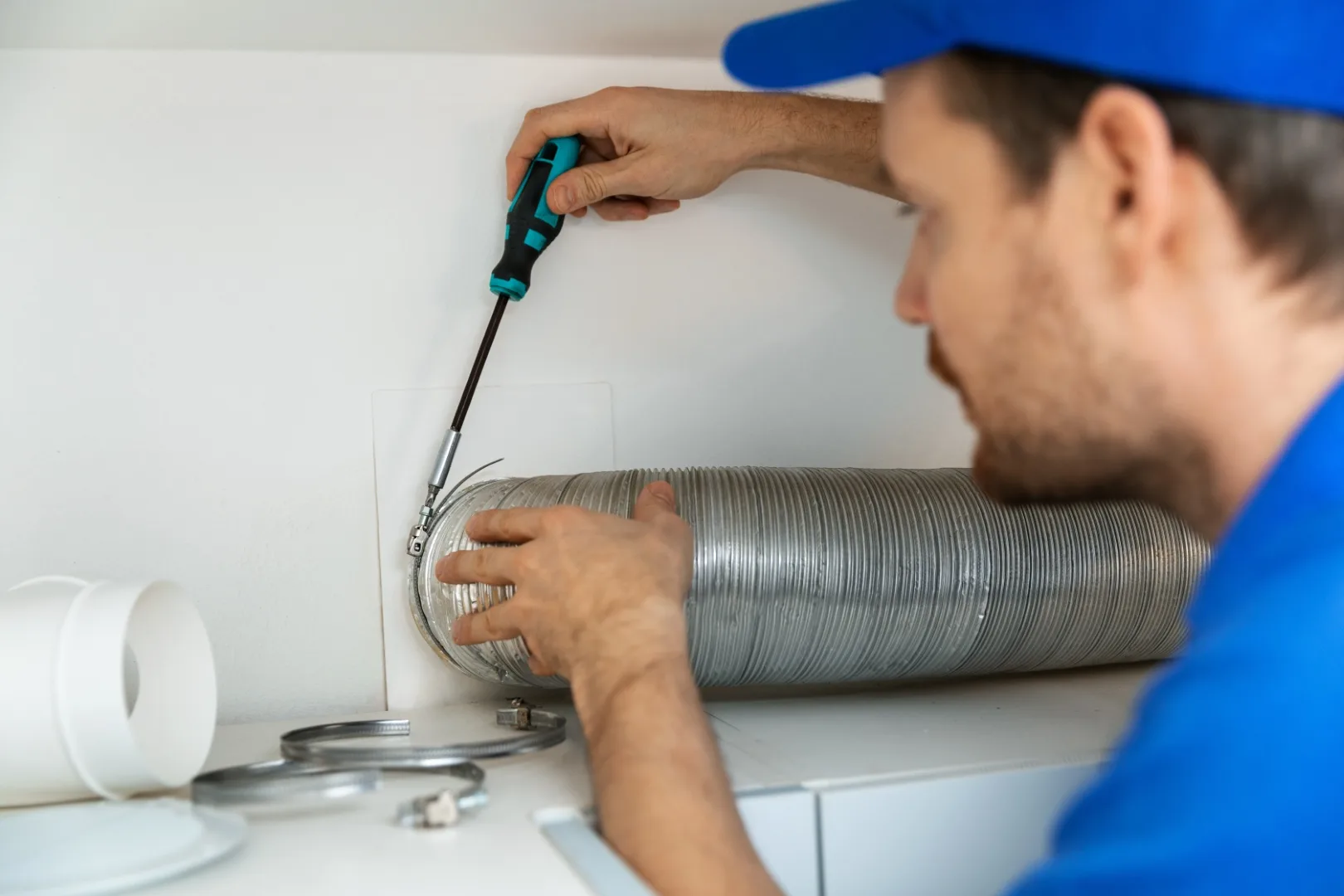
- Schedule a professional inspection
- Have ducts properly cleaned and sanitized
- Replace any severely damaged components
- Address the source of moisture to prevent future issues
Attempting to handle duct contamination on your own often isn’t enough, especially when mold is involved.
Professional restoration specialists ensure contaminants are fully removed by using high-powered negative air machines, HEPA filtration systems, antimicrobial treatments, and moisture detection tools. They also use infrared cameras to locate and remove hidden damage.
They determine the safest and most effective approach to ensure that contaminants don’t spread further into your system.
Preventing Future Water Damage in Ducts
Once your system is clean and restored, you can protect your ducts from future problems by sealing and insulating them to prevent condensation, scheduling regular HVAC maintenance, installing dehumidifiers in humid areas, and ensuring there’s proper attic and crawl space ventilation.
You should also check and clean drain lines regularly, and repair roof leaks or plumbing issues as soon as possible.
Check Your Ducts for Water Damage
Water damage includes more than what you can see. Hidden moisture inside your ducts can lead to mold growth, contamination, structural damage, and ongoing air quality issues. The longer it goes unaddressed, the more widespread the problem can become.
Taking swift, professional action ensures your HVAC system remains clean, efficient, and safe, protecting both you and your family.