

Carpet is designed to handle daily wear and tear, but over time, you may start to notice darker paths or flattened areas where people walk the most. These visible traffic patterns are common in homes and can make relatively new carpet look worn or dirty.
Today, we’ll explain why traffic patterns happen and what you can do to extend the life of your carpet and keep your floors looking their best.
What Are Carpet Traffic Patterns?
Traffic patterns are the areas of carpet that experience the most foot traffic. These spots tend to appear in hallways, stairways, entryways, and the paths between commonly used spaces like living rooms and kitchens.
Because these areas see constant activity, they often show wear sooner than the rest of the carpet. The fibers become compressed, dirt accumulates faster, and the color may appear duller than surrounding areas.
Why High-Traffic Areas Wear Faster
Several factors contribute to faster carpet wear in heavily used areas:
Dirt and Abrasive Particles
Every time someone walks across your carpet, they leave behind small particles of dirt, sand, and debris. These particles settle deep into the carpet fibers and act like sandpaper, gradually wearing them down with repeated movement.
Fiber Compression
Carpet fibers are designed to bounce back, but constant pressure from foot traffic causes them to lose their resilience and flatten over time. Once the fibers lose their resilience, the carpet can appear worn even if it’s still structurally intact.
Oils and Residue
Foot traffic also transfers oils from shoes, socks, and skin into carpet. These oils attract dirt, which builds up and darkens the carpet in high-traffic areas.
Uneven Cleaning
If you vacuum and clean some areas less often than others, dirt can accumulate more quickly and make traffic patterns more noticeable.
Signs of Carpet Traffic Wear
Some common signs that traffic patterns are developing include:
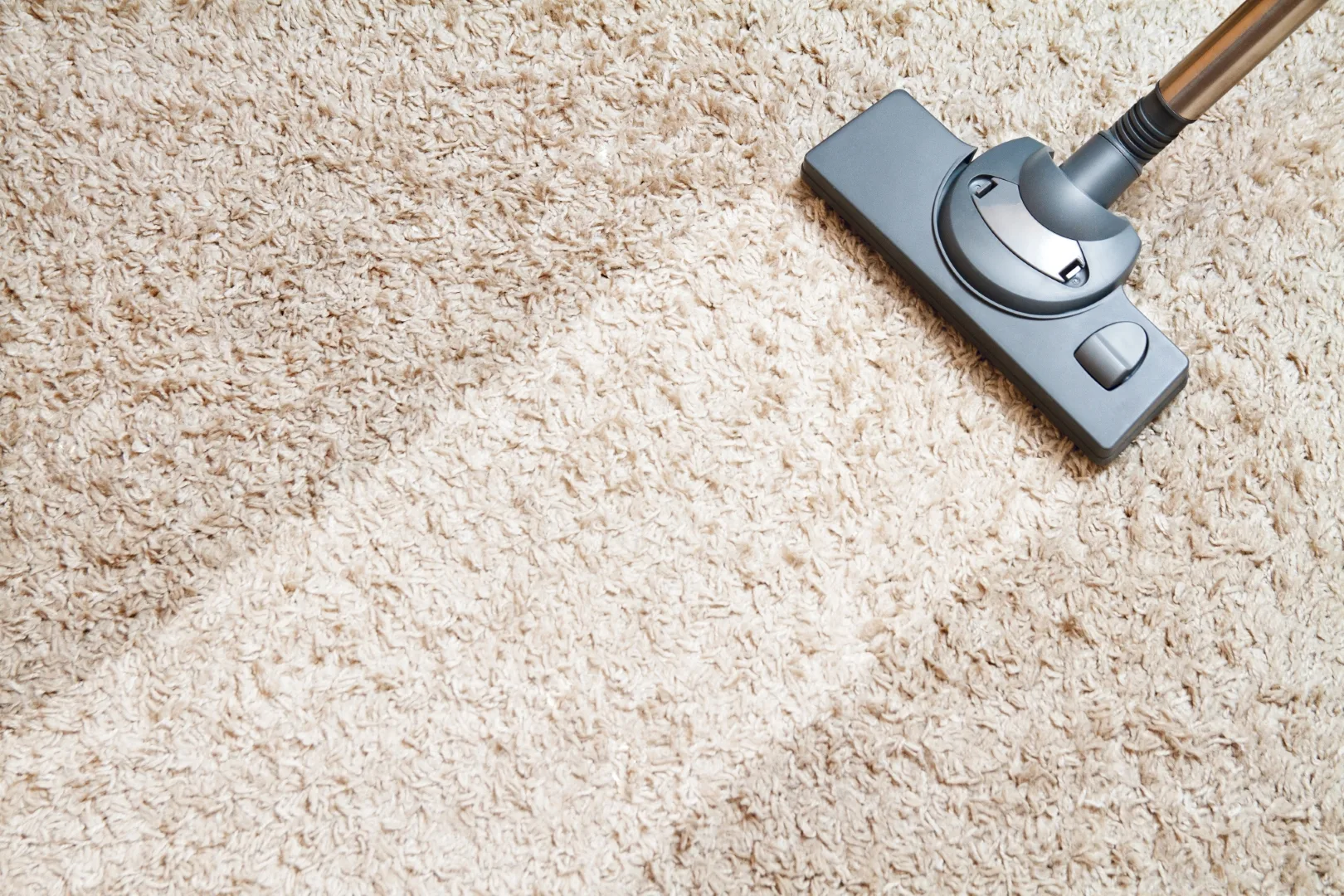
- Darkened walkways in hallways or between rooms
- Flattened or matted carpet fibers
- Areas that look dirty shortly after cleaning
- Visible pathways where the carpet looks older than surrounding sections
- Fraying or bald spots where the carpet has worn down
- Wrinkles or bumps where the carpet or underpad has worn out
- Stubborn smells that do not go away after cleaning
Recognizing these signs early can help prevent permanent damage.
How to Reduce Carpet Traffic Wear
While you can’t eliminate foot traffic, there are several ways to slow down carpet wear and keep your flooring looking better for longer.
Use Entry Mats
Place durable, high-quality mats at exterior doors to capture dirt and moisture before it reaches the carpet. This simple step can dramatically reduce the amount of moisture, dirt, and grit tracked into your home.
Establish a “No Shoes” Policy
Encourage your family and guests to remove their shoes before walking around the house. This will help limit the amount of abrasive debris brought into the home.
Rearrange Furniture Occasionally
Change the layout of rooms in your home to shift traffic patterns, prevent permanent dents and uneven wear, and allow heavily used areas to recover slightly over time.
Vacuum High-Traffic Areas Frequently
Vacuum hallways, entryways, and living room paths more often than low-traffic areas (about two to three times per week). Frequent vacuuming removes dirt before it settles deep into the carpet fibers.
For matted fibers, consider also using a carpet rake to fluff them back up.
Use Area Rugs or Runners
Place runners in hallways or rugs in busy areas to help absorb wear and protect the carpet underneath.
When Professional Carpet Cleaning Helps
Even with regular maintenance, dirt will eventually get embedded in high-traffic areas, and regular household vacuums may struggle to remove this deep-set grime. Professional carpet cleaning involves specialized equipment and techniques that can extract embedded soil, lift matted fibers, improve the look of traffic lanes, extend the life of carpet, and restore brightness and texture to worn areas.
In many cases, carpets that appear heavily worn can be revived with a deep cleaning. It is recommended to have your carpets professionally cleaned every 12 to 18 months to maintain softness and texture.
Protect Your Carpet Investment
Carpet is a major investment in any home, and by understanding how traffic patterns develop and taking proactive steps to manage wear, you can keep it looking fresh for many years.
Regular vacuuming, protective mats, and periodic professional cleaning all work together to reduce the impact of daily traffic. With the right care, your carpet can continue to look great, even in the busiest areas of your home.