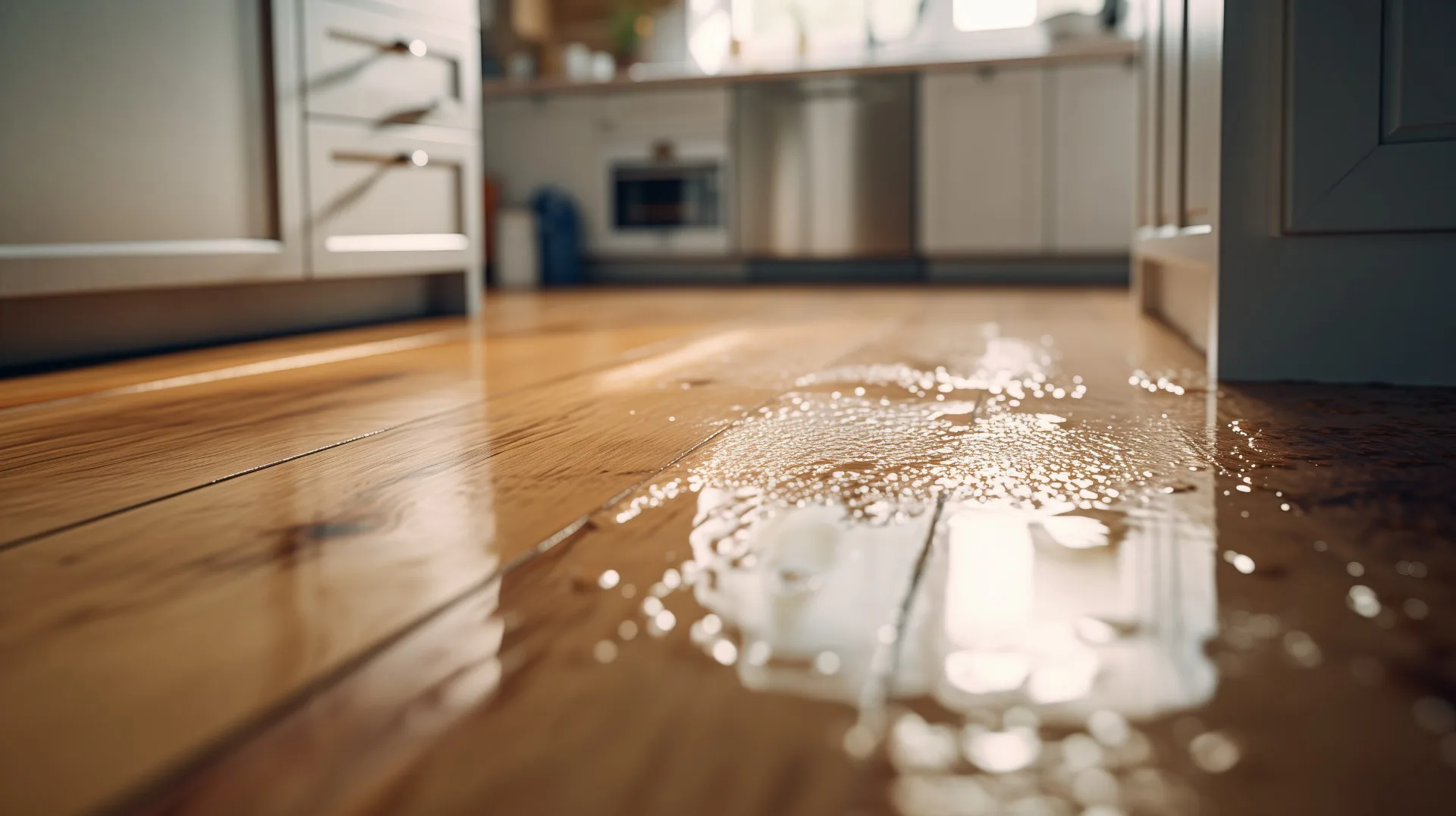
When a small leak develops, an appliance overflows, or a spring storm floods your basement, water can spread throughout your home more quickly than you may realize. Moisture travels through flooring, walls, insulation, and even your HVAC system, causing hidden damage and increasing the risk of mold growth.
Below, we’ll discuss how moisture travels through your home, so you know what to do to reduce long-term damage.
Common Sources of Residential Water Damage
Water damage can come from many different sources, including burst or leaking pipes, appliance failures, roof leaks, overflowing sinks or tubs, storm or flood damage, sewage backups, HVAC condensation, or poor ventilation in bathrooms or kitchens.
Even if a leak is small or slow, it can cause major damage over time if moisture remains trapped inside building materials.
Moisture Spreads Faster Than You Think
When water enters your home, it naturally gravitates toward dry materials. Porous surfaces, such as carpet, drywall, wood, and insulation, absorb moisture quickly. Even a small amount of water can travel several feet beyond the visible wet area.
This process is often referred to as “moisture migration,” and it can continue long after the original water source has been stopped.
Without proper drying equipment and moisture detection tools, water can remain trapped behind walls and under flooring for days or weeks.
How Carpets Hold and Spread Moisture
Carpets act like a sponge, and water can quickly soak through carpet fibers and into the padding underneath. Once the carpet pad becomes saturated, moisture can quickly spread across the subfloor and into nearby baseboards or walls.
Wet carpets can harbor lingering odors, become stained or discolored, and grow mold and mildew. They can also cause subloor damage and deliminate the carpet backing.
Even if your carpet feels dry, the padding underneath could still be wet. Professional extraction and drying play an important role in preventing more serious structural damage.
How Water Moves Inside Walls
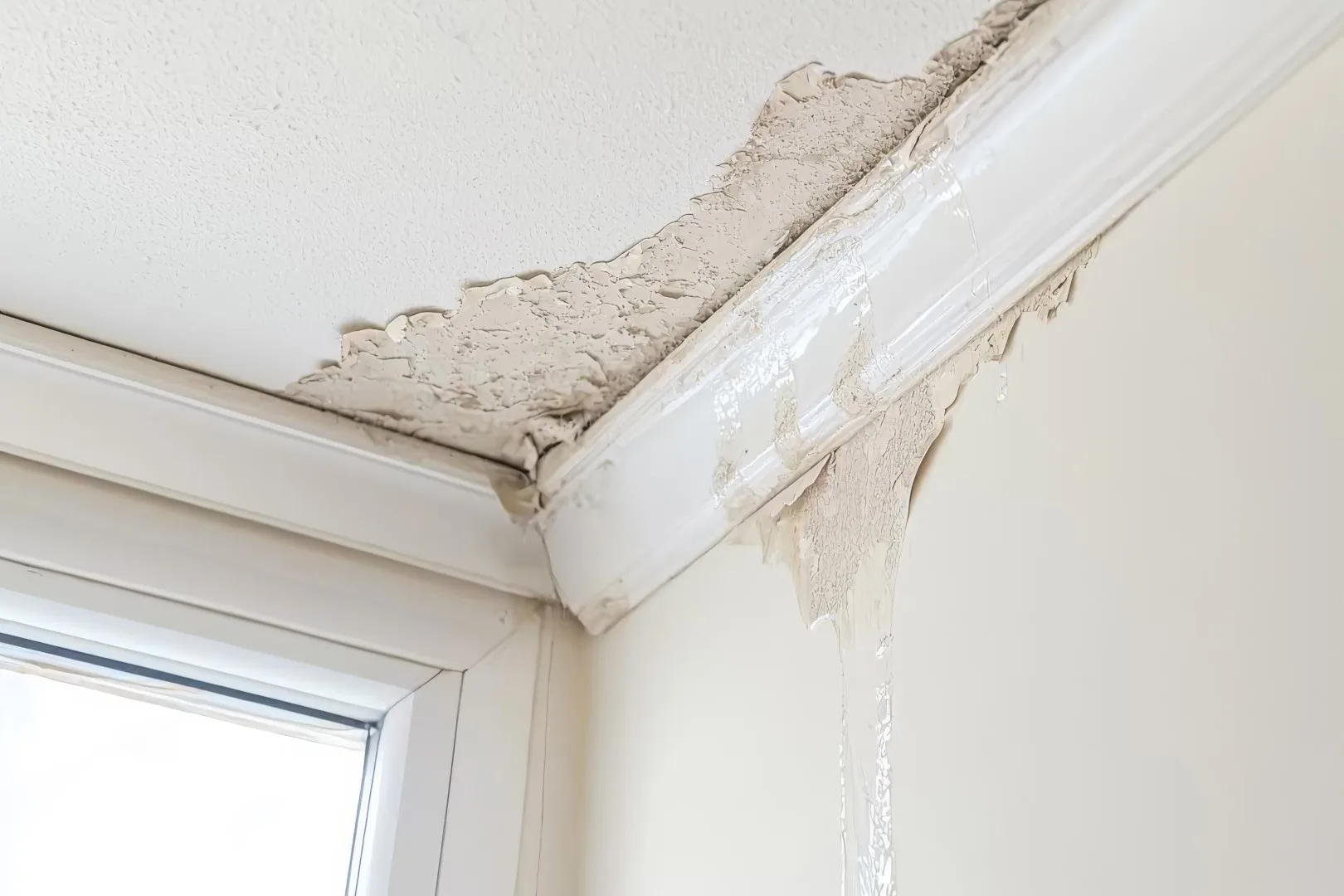
Drywall and insulation absorb moisture very easily. Water can travel upward through drywall due to capillary action (the process of porous materials pulling water in every direction beyond the original water line).
Once moisture enters wall cavities, it can cause drywall to swell, paint to peel, framing to warp, and mold to grow behind walls.
Because wall cavities are enclosed spaces, homeowners often don’t notice trapped moisture until visible signs appear. Professional restoration teams use moisture meters and thermal imaging equipment to locate hidden dampness without unnecessary demolition.
How HVAC Systems and Ductwork Can Spread Moisture
Many homeowners don’t know their HVAC system can circulate water throughout their home. If water damage occurs near vents or ductwork, humid air and contaminants can spread into other rooms.
When moisture enters ducts, it can lead to mold growth inside your HVAC system, poor indoor air quality, musty odors, increased allergens, and reduced HVAC efficiency. In severe cases, contaminated duct systems may need professional cleaning and sanitizing to restore healthy airflow.
The Importance of Quick Action
The longer moisture remains in your home, the more damage can occur. Within 24 to 48 hours, mold can begin to develop in damp areas, and after prolonged exposure, structural materials can weaken, belongings can get damaged, and restoration costs can increase.
A quick response can help minimize structural damage, mold growth, odors, and insurance complications.
While you can attempt to use household fans and dehumidifiers to dry affected areas, professional industrial drying equipment, air movers, dehumidifiers, and monitoring tools reach hidden moisture that store-bought methods may fail to find.
Signs You May Have Hidden Water Damage
Not all water damage can be easily detected. If you just discovered a leak or experienced a flood, watch for these signs:
- Musty smells
- Warped flooring
- Bubbling paint
- Soft drywall
- Increased indoor humidity
- Discolored ceilings or walls
- Stained carpeting
- Persistent allergy symptoms
- Unexpectedly high water bills
If you notice any of these issues, you should consider having your home professionally inspected. Routine inspections and fast repairs can help prevent costly repairs in the future.
Protect Your Home From Long-Term Damage
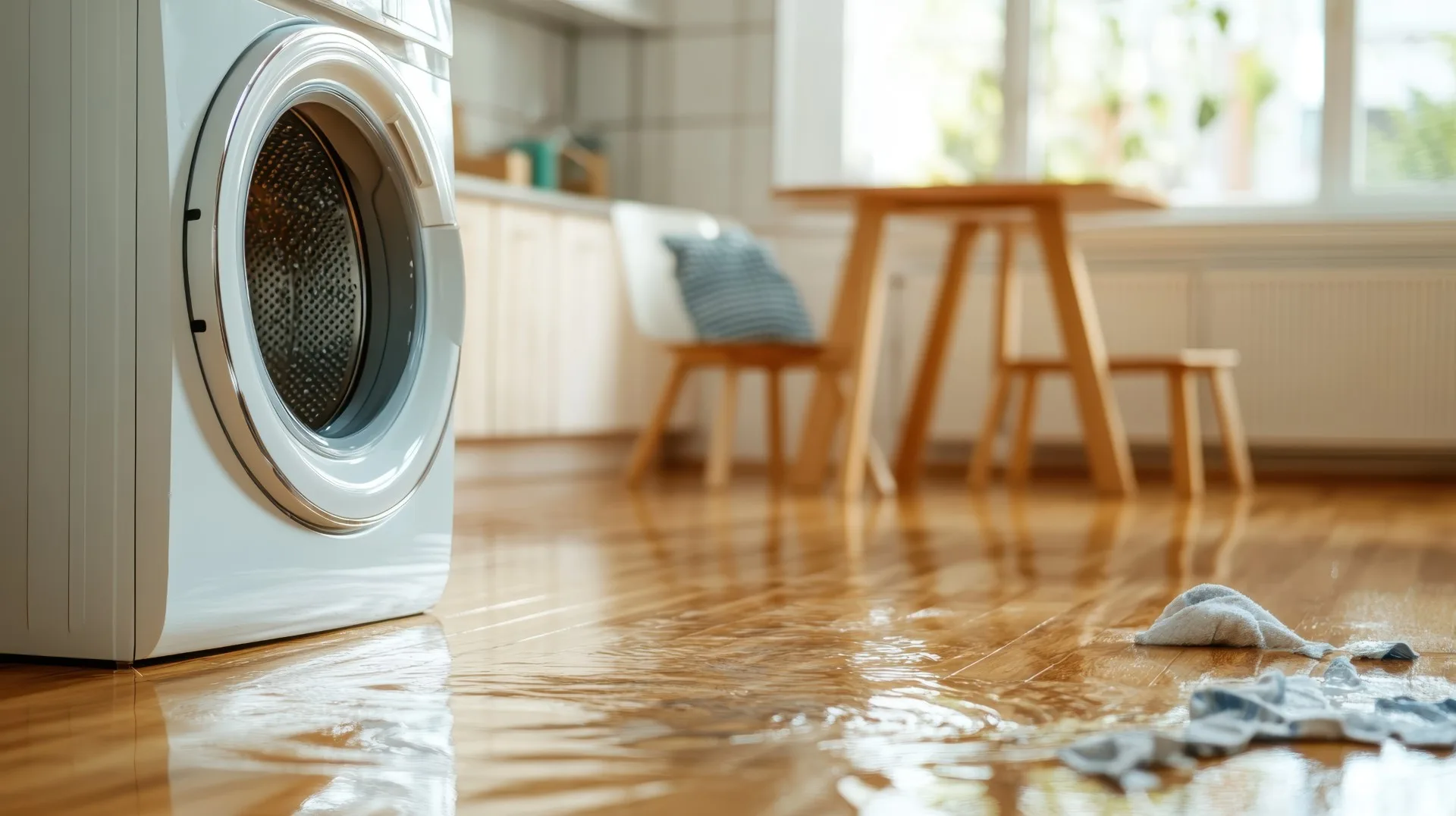
Moisture can move silently through your home long after you’ve stopped the leak or mopped up the visible mess. It can quickly damage carpets, walls, insulation, and HVAC systems if not properly addressed.
A professional restoration team can identify hidden dampness, thoroughly dry affected areas, and help prevent mold and structural damage before the problem worsens.
If your home has experienced water damage, act quickly to protect your property and your indoor environment.