
When a fire breaks out, most homeowners worry about visible damage caused by flames: burned walls, damaged furniture, and destroyed belongings. However, smoke can be just as destructive. In many cases, it can affect areas of the property that were never touched by fire.
Below, we will explain the differences between fire damage and smoke damage, so homeowners can ensure their home is safely and thoroughly restored in case of a disaster.
What Is Fire Damage?
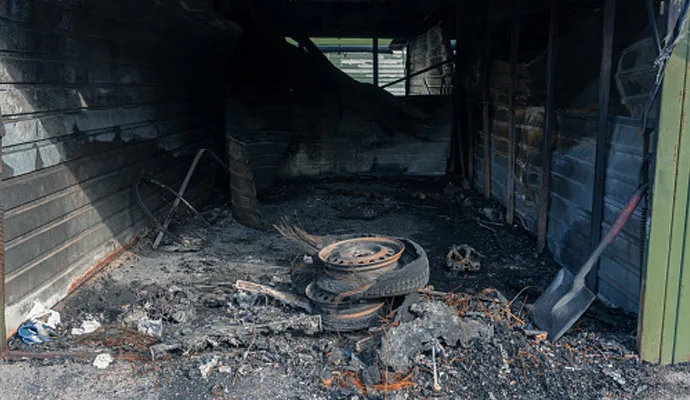
Fire damage refers to the direct destruction caused by flames and extreme heat. The severity of fire damage depends on many factors, including the fire’s temperature, duration, and the materials involved.
Common examples of fire damage include:
- Charred or burned building materials
- Structural weakening of walls, floors, and ceilings
- Damaged roofing systems
- Melted electrical wiring and plumbing components
- Destroyed furniture, appliances, and personal belongings
In severe cases, fire damage can compromise the integrity of a building, making certain areas unsafe until professional restoration and repairs are completed.
Hidden Effects of Fire Damage
Even after flames are extinguished, the extreme heat generated by the fire can cause damage that is not immediately visible. Wood framing can weaken, metal components can warp, and electrical systems may require inspection and replacement.
Professional restoration experts can assess both visible and hidden damage to ensure you can safely return to your property.
What Is Smoke Damage?
Smoke damage occurs when smoke particles, ash, and soot travel throughout a building during and after a fire. Because smoke can penetrate areas far beyond the source of the fire, it often affects the entire structure.
Smoke damage can include:
- Soot accumulation on surfaces
- Discoloration of walls, ceilings, and contents
- Lingering smoke odors
- Corrosion of electronics and metal surfaces
- Contamination of HVAC systems and ductwork
- Weakening of wood components
Unlike fire damage, smoke damage is often widespread and can continue causing chemical and physical harm long after the fire is extinguished if not properly addressed.
Types of Smoke
Dry Smoke — This results from a fast-burning, high-temperature fire.
Wet Smoke — This smoke occurs during a low-heat or smoldering fire. It typically has a strong odor and sticky texture.
Protein Smoke — This nearly invisible smoke discolors paints and varnishes and has an extreme pungent smell.
Fuel Oil Smoke — This smoke is caused by furnace fires and travels through the ventilation system, leaving dangerous oily soot.
Why Smoke Damage Can Be More Extensive Than Expected
Microscopic smoke particles and corrosive acidic residues can travel through air vents, wall cavities, and small openings and seep deep into porous materials. As a result, rooms that appear untouched after a fire may still have significant contamination.
Certain materials, including carpeting, upholstered furniture, curtains and fabrics, drywall, insulation, and wood surfaces, act like sponges, readily absorbing smoke odors.
Without professional cleaning and deodorization, these odors can persist for months or even years.
Understanding Soot Damage
Soot is a byproduct of incomplete combustion and is one of the most damaging components of smoke damage. It can stain surfaces permanently, corrode metals, damage electronics, spread throughout the property (especially if not properly cleaned up), and trigger severe eye and respiratory irritation.
Different types of fires produce different types of soot. For example, synthetic materials often create oil soot that may be particularly difficult to remove and require specialized cleaning methods.
Health Risks Associated with Smoke Damage
Smoke residue may contain fine particulate matter, toxic chemicals, acids, and carcinogens. Because of components, exposure can aggravate asthma, allergies, and other respiratory conditions, cause burning or itchy eyes and sore throats, and increase the risk of cardiovascular strain.
Professionals use specialized equipment and cleaning procedures to remove smoke contaminants from affected properties and mitigate the dangers of smoke-related health concerns.
Why DIY Cleanup Is Not Recommended
Many property owners attempt to clean up smoke residue themselves after a small fire. Unfortunately, improper cleaning methods can often make the damage worse.
Homeowners risk spreading soot to unaffected areas, permanently staining surfaces, failing to remove odors, damaging surfaces and belongings, and exposing themselves or others to potentially harmful contaminants.
Professional restoration teams have the training, equipment, and cleaning products necessary to safely restore fire- and smoke-damaged properties.
Invest in Professional Restoration Services After a Fire
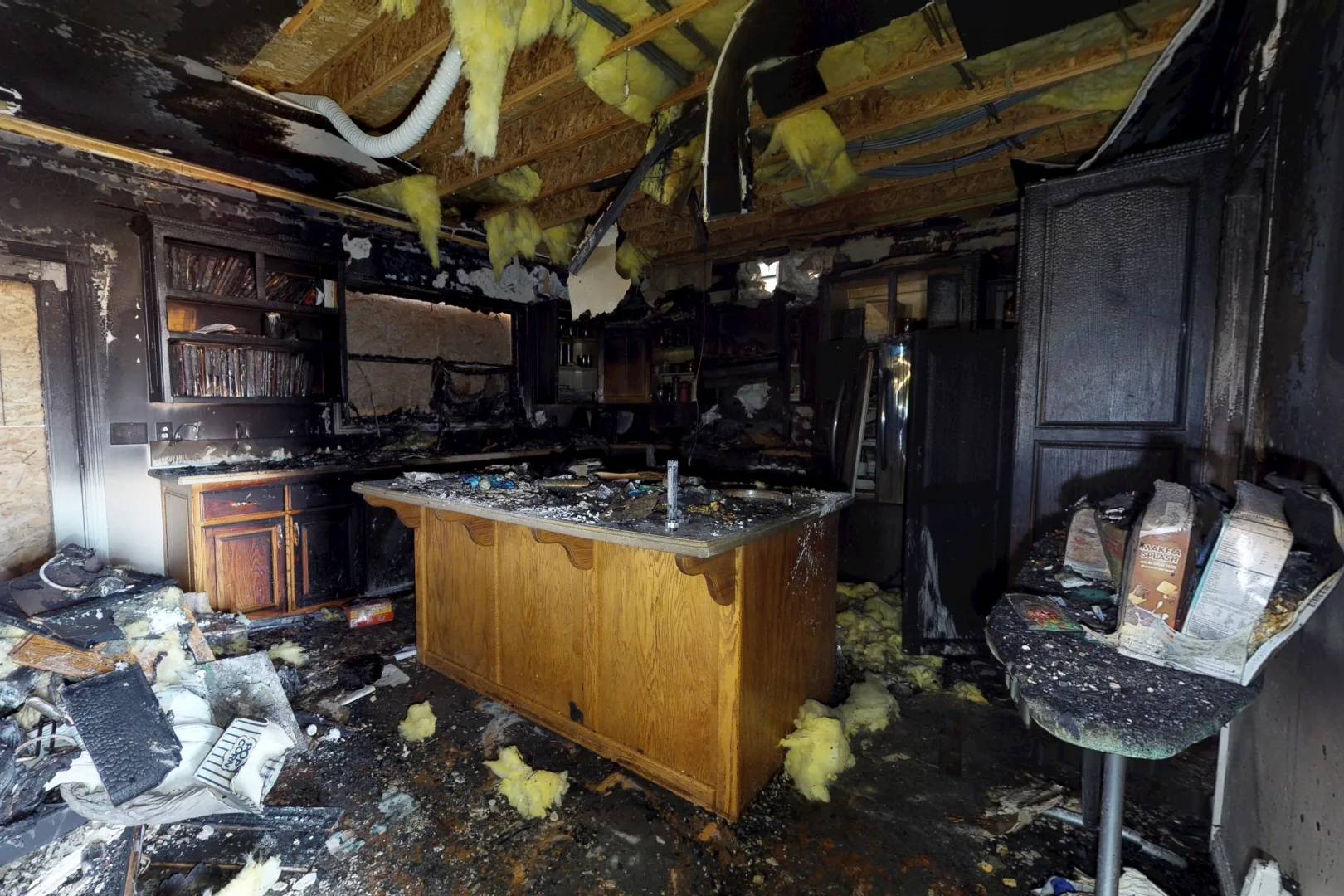
Both fire and smoke damage can have lasting effects on people’s properties. While flames cause visible destruction, smoke and soot cause widespread contamination that requires specialized treatment.
The sooner homeowners begin restoration efforts, the better chance they have of minimizing damage, saving their belongings, and restoring their property.
If your home or business has experienced a fire, contact All American Cleaning & Restoration. Our team will assess the damage and get you on the path to recovery.