Because crawl spaces are often out of sight and out of mind, homeowners may not think much about the water damage potential. However, because these areas sit beneath the home, they are especially vulnerable to groundwater, plumbing leaks, poor drainage, foundation issues, and heavy rain. When moisture enters and sits for a long time in this space, you could be left with structural damage, mold growth, unpleasant odors, and indoor air quality problems.
Below we will outline some of the signs of crawl space water damage so you can take action before a small moisture problem turns into a major restoration project.
Common Causes of Crawl Space Water Damage
A crawl space can become saturated with moisture because of heavy rain, poor yard drainage, groundwater seepage, foundation cracks or leaks, overflowing gutters and downspouts, and damaged or improperly installed sump pumps. Water can also enter because of plumbing or water heater leaks or broken or damaged pipes.
Even a small amount of moisture can cause a big problem if it is not removed quickly and the area is not properly dried.
Signs of Crawl Space Water Damage
Some crawl space water damage is easy to spot, while others may not be so obvious. Watch for these warning signs to avoid problems from stagnant water.
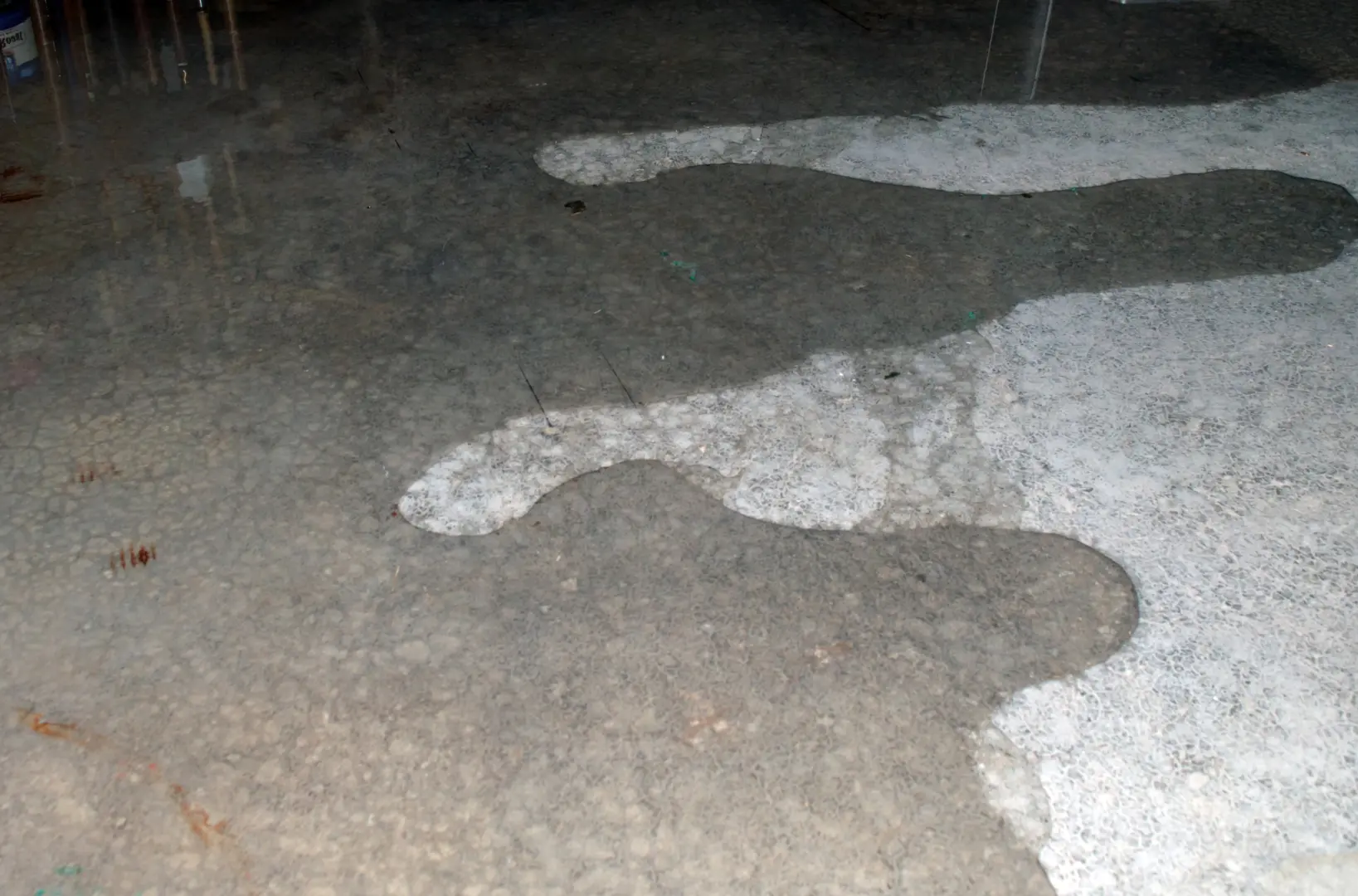
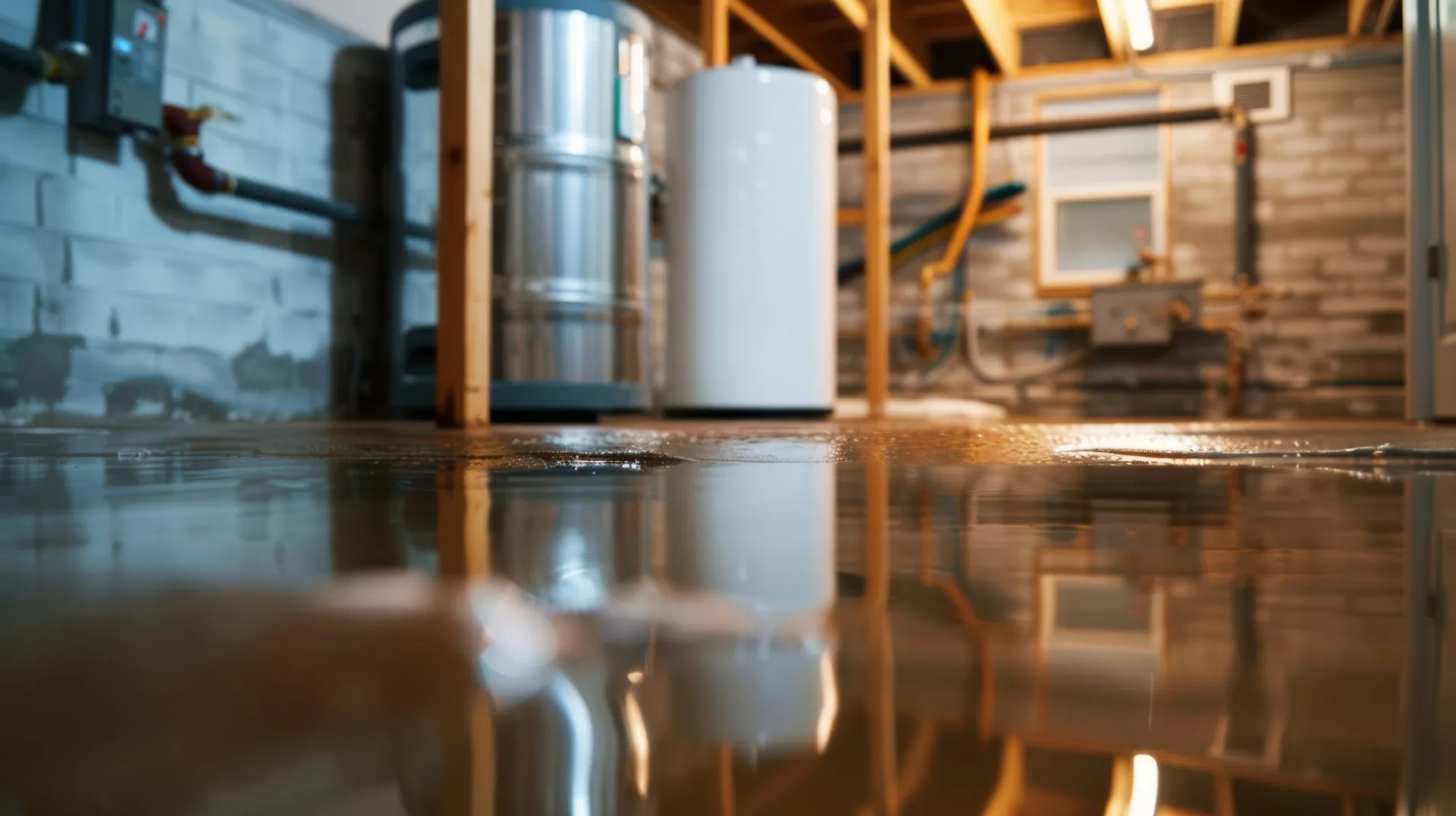
Standing Water
Puddles or pools of water are the most obvious signs of moisture problems. Standing water should be addressed as soon as possible because prolonged exposure can damage wood, insulation, flooring materials, and other components.
Damp or Musty Odors
A persistent musty smell may indicate excess moisture or mold growth. As air from the crawl space begins to circulate throughout the home, unpleasant odors may eventually become noticeable on upper levels of the house.
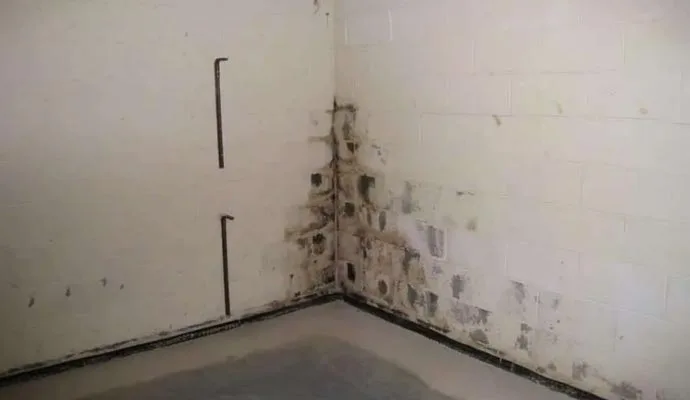
Mold and Mildew
When stagnant water sits in a dark, enclosed space, it can create the perfect breeding ground for mold or mildew. Look for discoloration or fuzzy growth on framing, insulation, walls, or other materials.
Wet or Damaged Insulation
Insulation can absorb water and lose effectiveness when it becomes saturated. Wet insulation can also encourage mold growth and may need professional evaluation or replacement.
Wood Rot
Prolonged moisture can cause wooden beams, joists, and other structural components to deteriorate. Soft, discolored, cracked, or crumbling wood should be inspected to determine the extent of the damage.
Increased Humidity
A damp crawl space can contribute to higher humidity levels throughout the home, as well as on HVAC ducts, plumbing lines, and concrete walls. Excess humidity can affect air quality and possibly lead to fungal growth.
Pest Activity
Some insects and other pests are attracted to damp environments. An increase in pest activity, nests, or droppings around the crawl space could be an indication of moisture problems.
Why You Should Never Ignore Crawl Space Water Damage
Crawl space moisture should always be taken seriously. Water can weaken building materials, damage insulation, encourage mold growth, and cause lingering odors. In severe cases, prolonged moisture can contribute to structural deterioration.
Moist, contaminated air can also flow up from the crawl space into living areas of the home, negatively affecting air quality and you and your family’s health, especially if any members have asthma or allergies.
What to Do After Discovering Water
If you discover water in your crawl space, first identify whether there is an active source, such as a plumbing leak, foundation leak, or other water intrusion. This will need to be addressed first to prevent additional damage.
If this area is significantly flooded, do not enter until it has been evaluated and cleared of any electrical hazards, contaminated water, unstable materials, or structural concerns that could pose a threat to your safety.
Preventing Future Crawl Space Water Damage
After crawl space water damage has been cleared, shift your focus to prevention. You can reduce the risk of future water intrusion by keeping gutters and downspouts clear, ensuring proper grading around your home, and addressing plumbing leaks promptly.
Depending on your property, you may also benefit from installing a sump pump, drainage system, or vapor barrier, waterproofing your foundation, or improving crawl space ventilation.
Protect Your Home From Crawl Space Water Damage
Crawl space water damage can be difficult to address without the right equipment and expertise. What may seem like a small puddle may be connected to a larger moisture problem beneath the home.
If you suspect you have moisture issues in your crawl space, don’t wait for the problem to get worse. Professional assessment and restoration can help protect your home from the lasting effects of water damage.