

As summer ends and the cooler months arrive, many homeowners focus on preparing their heating systems. However, fall and winter weather can affect more than just indoor comfort. Falling temperatures can also influence indoor air quality, especially as homes become more tightly closed and furnaces run more frequently.
Below, we will discuss how cold weather affects the inside of homes and what steps property owners can take to maintain a healthier, more comfortable indoor environment.
Why Indoor Air Quality Changes When Temperatures Drop
During the warmer months, homeowners often open windows and doors to allow fresh air to circulate throughout their home. Once cold weather arrives, they tend to keep windows closed and their heating system on.
This reduces natural ventilation and allows airborne pollutants to accumulate. Dust, debris, pet dander, cleaning chemicals, cooking fumes, odors, and other unhealthy particles may remain indoors for longer periods.
Modern homes may be particularly affected because while energy-efficient construction and sealing help prevent conditioned air from escaping, they can also reduce natural air exchange when mechanical ventilation isn’t enough.
Heating Systems Can Circulate Dust and Allergens
When your furnace or heating system starts running regularly after sitting unused for months, it can disturb and circulate accumulated dust and debris.
Even if your system is clean, everyday pollutants can collect in ductwork, around vents, and on other HVAC components. As heated air moves through your home, these particles can become airborne.
Replacing your air filter every few months and cleaning your ducts every few years can help capture airborne contaminants and support better air quality.
Dry Winter Air Can Affect Comfort
Cold outdoor air typically contains less moisture than warm air. Heating that air indoors can reduce relative humidity even more.
Very dry indoor air may cause dry skin and lips, eye irritation, a dry or scratchy throat, and dry nasal passages. It may also lead to increased static electricity and cracking or shrinking of some wood materials.
Maintaining around 30% to 40% humidity during the winter can make your home feel more comfortable. If you consistently deal with excessively dry air, you may benefit from a whole-home humidifier or investing in houseplants.
Poor Ventilation Can Increase Indoor Pollutants
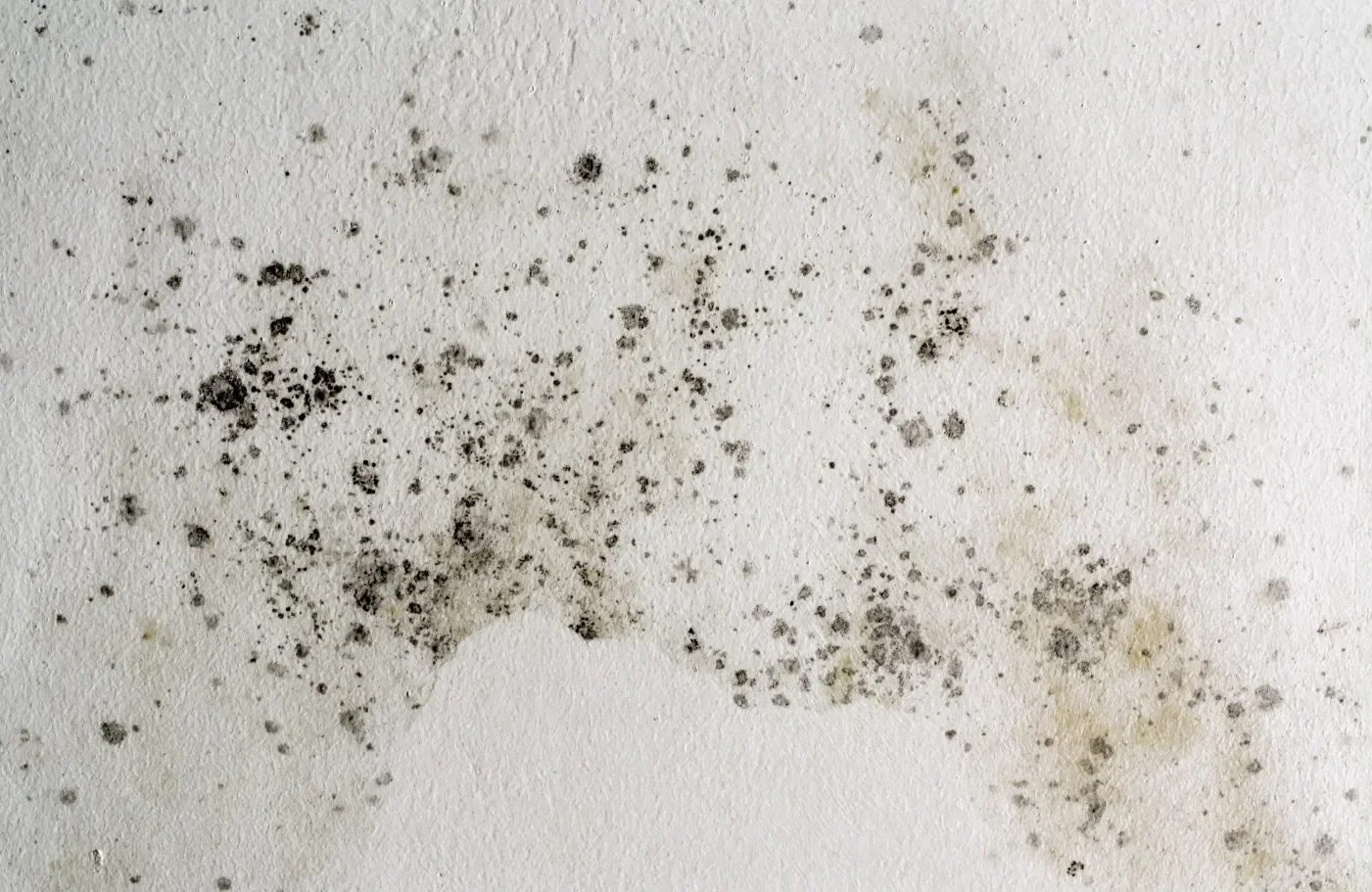
Because homes stay closed up most of winter, pollutants build up more easily. Cooking meals, lighting fireplaces, using cleaning and personal-care products, lighting candles, and running combustion appliances can all affect indoor air quality.
Adequate ventilation helps remove stale air and introduce fresh outdoor air. Depending on your home’s design, this may involve exhaust fans, ceiling fans, mechanical ventilation, or other HVAC solutions.
During winter, it’s also important to properly maintain combustion appliances to reduce the risk of carbon monoxide poisoning and other combustion-related risks.
Cold Weather Can Contribute to Moisture Problems
Although winter air is typically drier than summer air, you can still have moisture problems indoors. Condensation can form when warm, humid air meets cold windows, walls, or other surfaces.
Persistent condensation can lead to mold and mildew growth if moisture is not addressed. Poor ventilation in kitchens, bathrooms, laundry rooms, and other high-moisture areas can make the problem even worse.
Maintaining indoor humidity levels, using exhaust fans when showering and cooking, and addressing leaks can help protect both your home’s air quality and structure.
Your HVAC Filter Becomes Especially Important
Your HVAC filter plays an important role in maintaining indoor air quality. As your heating system runs more often, the filter may collect dust, pet hair, pollen, and other airborne particles more quickly.
Check your filter regularly and replace it when necessary. The appropriate replacement schedule will depend on the type of filter, your household size, pets, indoor air quality concerns, and how frequently you use your HVAC system; however, it typically needs to be replaced every one to three months.
Ductwork Can Affect Indoor Air Quality
Because air ducts circulate heated air throughout your home, they are an important part of your indoor environment. Leaks, accumulated dust, and other problems can affect airflow and introduce unwanted particles in your living spaces.
If you see visible contamination, persistent dust, or evidence of pests or moisture inside the ductwork, you may want to schedule an inspection or cleaning before cold weather arrives.
Keep Your Indoor Air Comfortable During Cold Weather

Cold weather means more time indoors and greater reliance on your heating system. Without proper filtration, ventilation, humidity control, and HVAC maintenance, indoor pollutants can become more noticeable during the colder months.
Fortunately, by preparing your HVAC system before winter arrives, you can support consistent heating performance and better indoor air quality.