
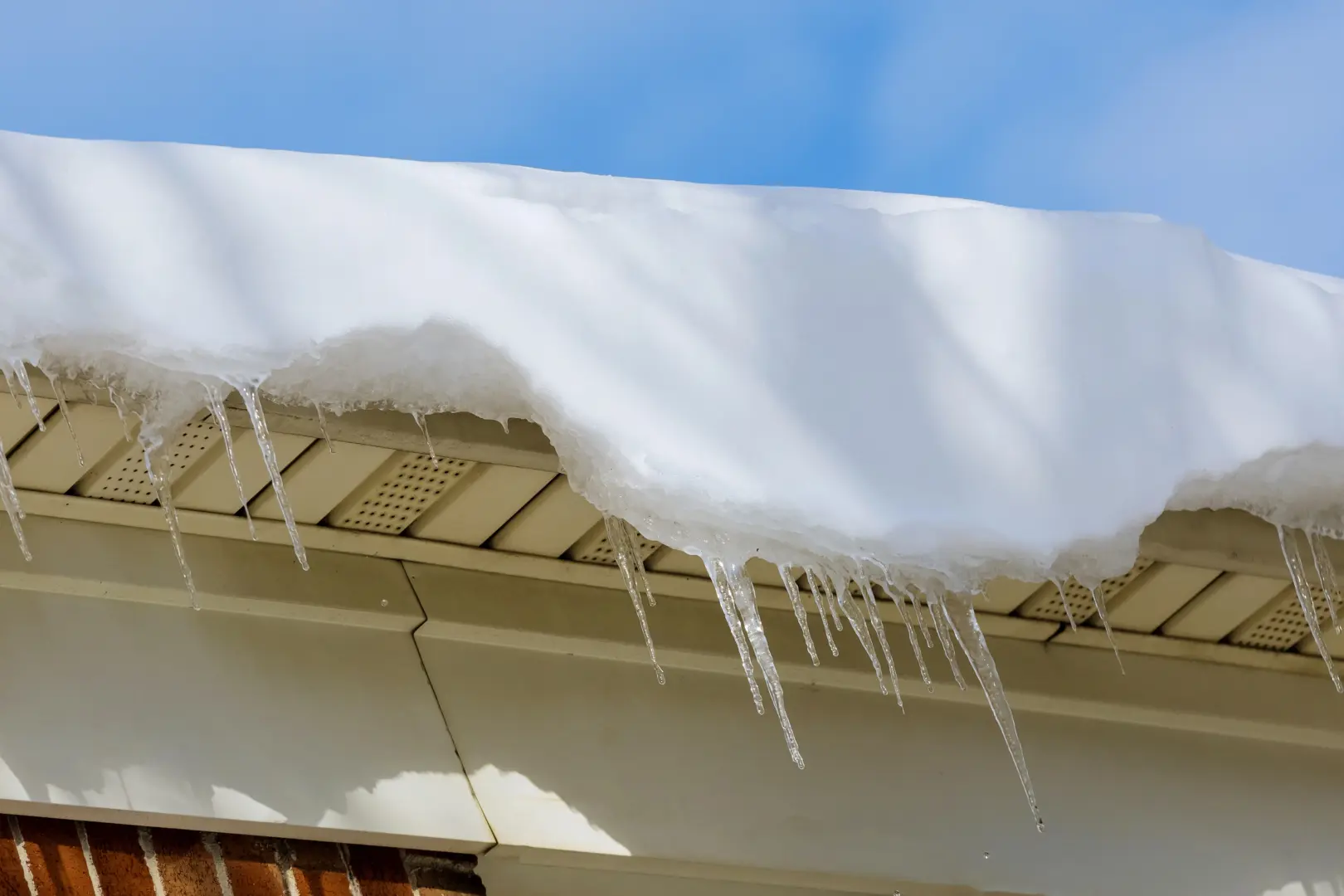
Winter weather can have a big impact on your home. From snow buildup on the roof to icy, slick driveways, you have a lot to worry about and maintain during the colder months. However, there’s another common concern to consider: ice dams.
When snow accumulates on your roof and temperatures fluctuate, ice dams can form along the roof’s edges, preventing melting snow from draining properly and causing water damage.
Fortunately, by taking a few preventive steps, you can prevent this buildup and protect your home. Here’s how ice dams form and what you can do to keep your home safe.
What Is an Ice Dam?
An ice dam is a buildup of ice that forms along the edge of a roof, typically near the gutters and eaves. It usually happens when heat escapes from the living space into the attic, warming portions of the roof and melting the snow above. The melted snow flows toward the colder roof edges, where it refreezes and creates a barrier of ice.
As the barrier grows, additional melting snow can collect behind it. Because this water can’t drain properly, it may seep underneath roofing materials and leak into your home.
Ice dams are especially common during periods of heavy snowfall followed by freezing temperatures. Homes with inadequate attic insulation, poor ventilation, or uneven roof temperatures may be more prone to ice dam formations.
Signs Your Home May Have an Ice Dam Problem
Noticing the early signs of ice dam growth can help you prevent significant water damage. Watch for these common indicators:
Thick Ice Along Roof Edges — Large ice formations near eaves or gutters may be signs that melting snow is refreezing.
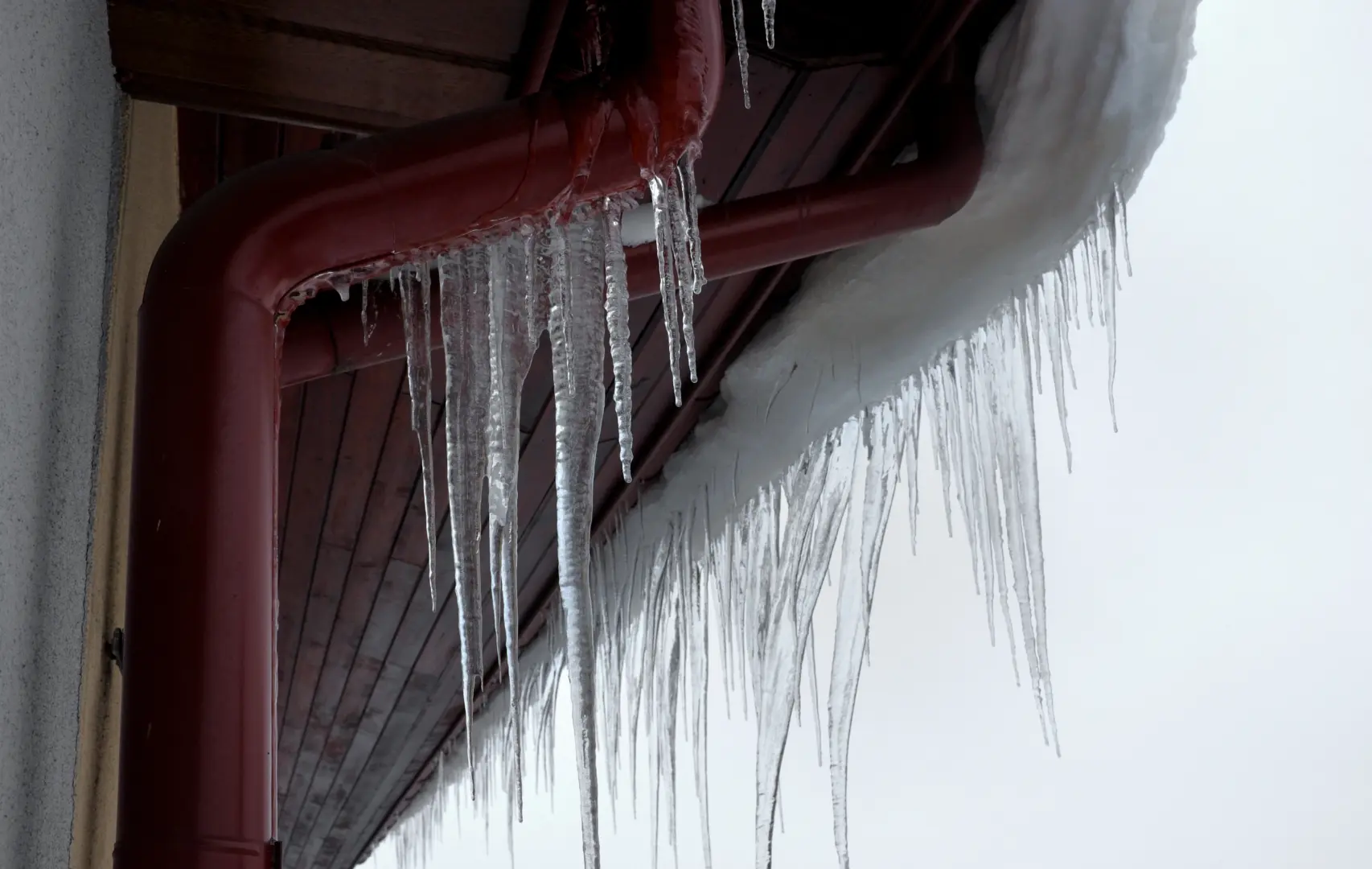
Icicles Hanging From Gutters — Although icicles alone don’t always indicate an ice dam, widespread icicle formation can indicate heat loss or drainage issues.
Sagging or Pulling Gutters — The extra weight of trapped ice causes gutters to sag, pull away from the fascia, or bend loose fasteners.
Water Stains on Ceilings or Walls — Brown or yellow discoloration may be a sign that water has entered through the roof.
Peeling Paint or Bubbling Drywall — When moisture gets trapped behind interior finishes, it can cause visible deterioration.
Damp Attic Insulation — Wet or compressed insulation may be caused by a roof leak or condensation.
Musty Odors — Excess moisture can contribute to mold growth and unpleasant odors.
If you notice any of these signs of water intrusion, investigate the source promptly and address any damage before it spreads.
5 Tips for Preventing Ice Dam Water Damage
1. Improve Attic Insulation
Inspect your attic insulation for gaps, thin areas, or damaged sections. Adding insulation where needed can help you maintain a more consistent roof temperature and improve your home’s energy efficiency.
2. Maintain Proper Attic Insulation
Make sure attic vents are not blocked by insulation, debris, or stored belongings. If your attic frequently feels warm during cold weather, consider having your ventilation system evaluated by a professional.
3. Seal Air Leaks Around the Attic
Seal air leaks around penetrations, such as plumbing vents, eletrical boxes, and chimney chases, to help keep warm indoor air out of the attic. Use suitable materials and follow safety requirements, especially around heat-producing fixtures and electrical components.
4. Keep Gutters and Downspouts Clear
Check that gutters and downspouts direct water away from your home’s foundation. While clean gutters can’t prevent every ice dam, proper drainage helps reduce additional water-related problems around your property.
However, avoid attempting to clear frozen gutters during icy conditions. Hire a professional if the work can’t be completed safely.
5. Remove Excess Snow Safely
Use a roof rake from the ground when conditions allow to remove snow from the lower portion of your roof. Avoid standing beneath roof edges, chipping away at ice, and climbing on a snowy or icy roof.
For significant snow accumulation or an existing ice dam, contact a qualified professional to clear your roof safely.
6. Inspect Your Roof Before Winter
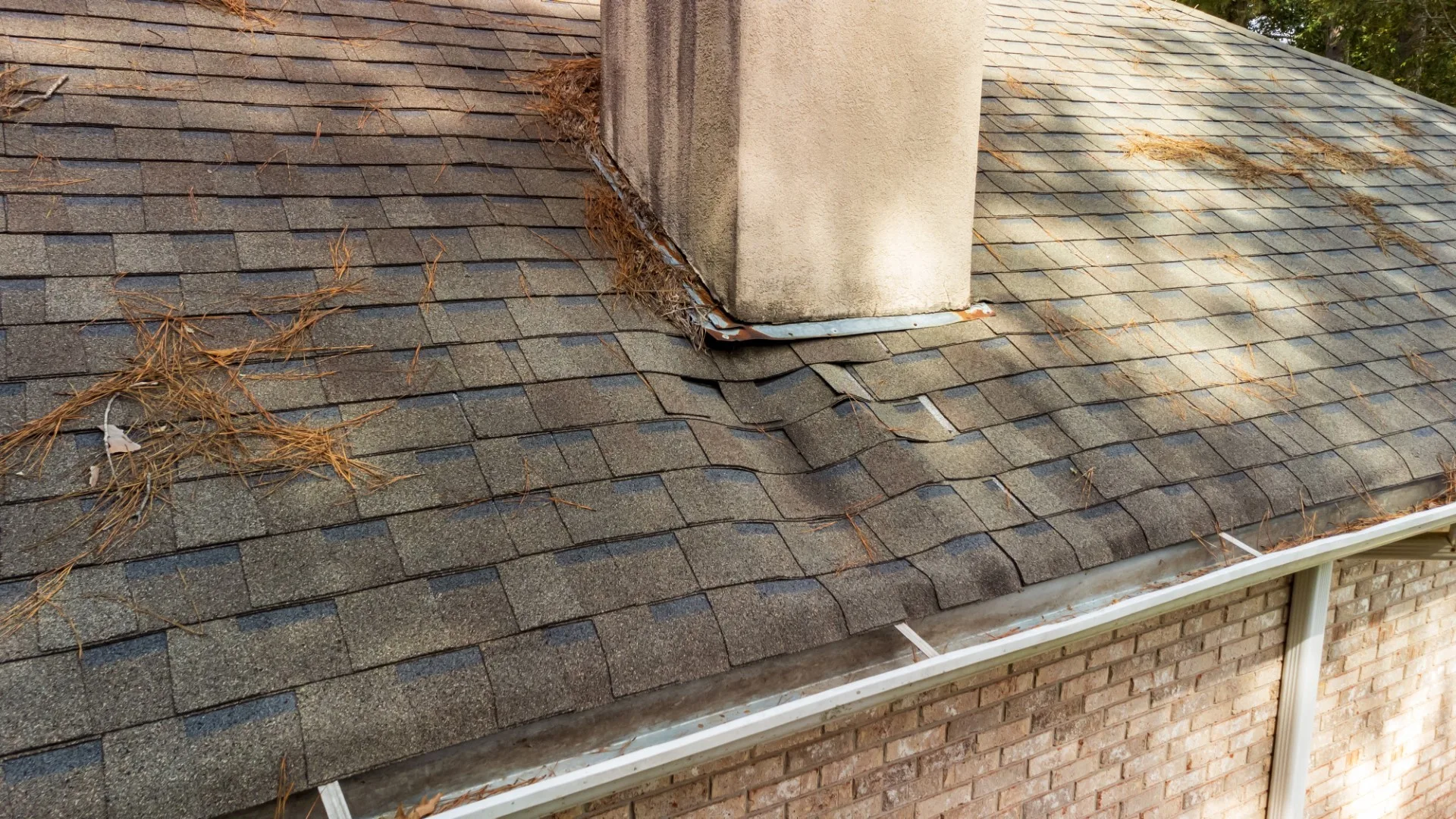
A professional roof inspector can identify damaged shingles, deteriorated flashing, loose roofing materials, and other entry points where water can seep in. Addressing these issues before winter weather arrives can reduce the risk of leaks when snow begins to melt.
Protect Your Home From Winter Water Damage
When left unaddressed, ice dams can lead to roof leaks, damaged insulation, deteriorating drywall, and mold growth. By completing preventive maintenance, ensuring proper insulation and ventilation, and completing regular inspections, you can help reduce your home’s risk and prepare it for the rest of the season.
If your home experiences water damage this winter, a professional restoration company can assess the affected areas and help restore your property.