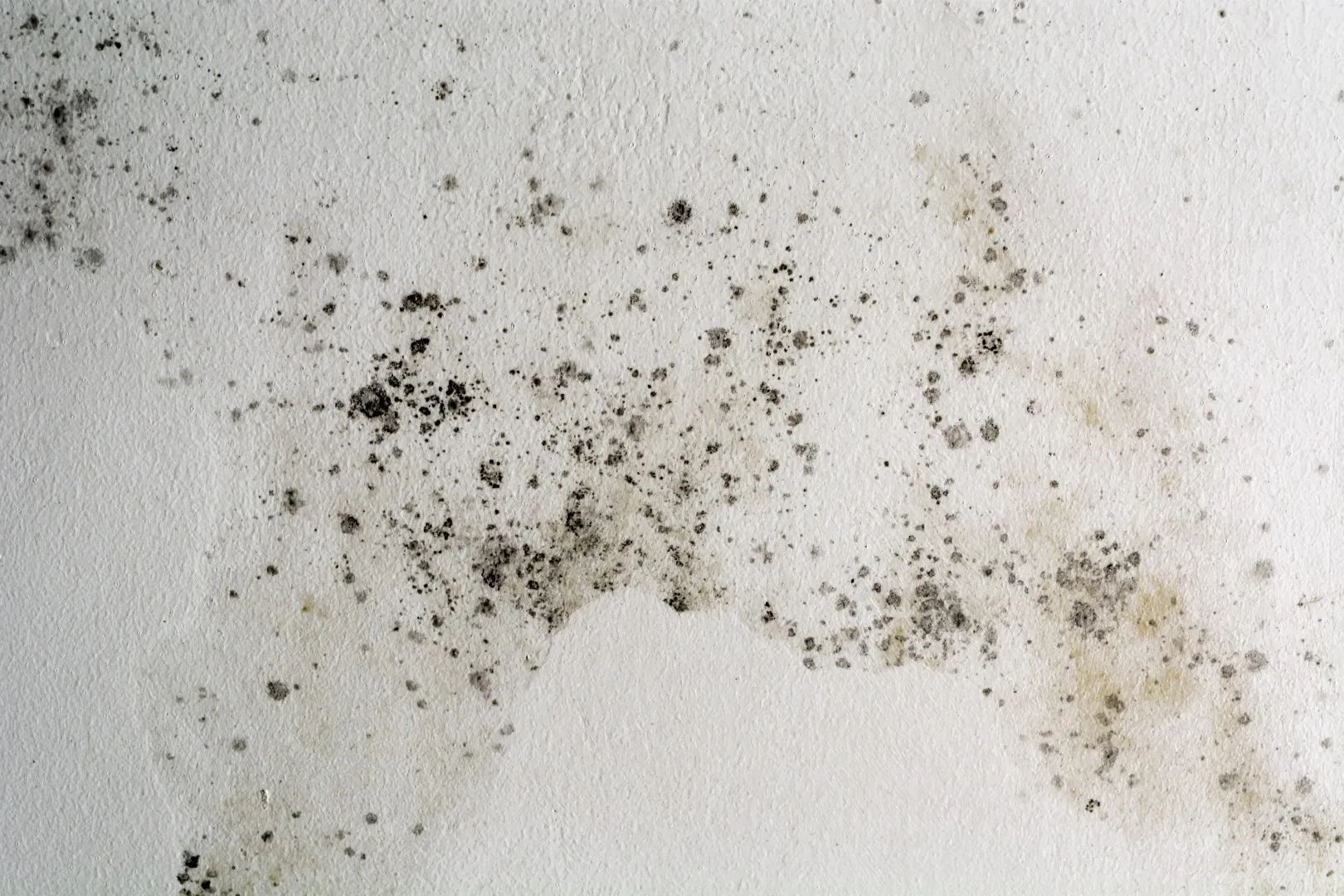
Mold problems are a common concern for many property owners, especially after water damage, plumbing leaks, flooding, or even periods of high humidity. If you’ve been researching mold services, you may have come across two terms that seem interchangeable: mold remediation and mold removal.
While many professionals use these terms to describe the same service, they actually have different meanings. Below, we will discuss the distinction to help you choose the right solution for your property.
Can Mold Ever Be Completely Removed?
Mold spores naturally exist almost everywhere — in the air, on every surface, and even outdoors. Because these spores are microscopic and constantly circulating, you can’t eliminate every spore from your home or business.
For this reason, restoration professionals focus on mold remediation rather than promising complete removal. They want to reduce mold to normal, safe levels and correct the conditions that allowed it to grow in the first place — not create a sterile environment.
What Is Mold Removal?
The term mold removal generally refers to physically removing visible mold growth from surfaces or materials.
This may involve cleaning mold from non-porous surfaces, removing mold-stained materials, discarding heavy contaminated drywall, carpet, or insulation, and vacuuming loose mold spores with HEPA-filtered equipment.
While these steps play an important part in helping solve your issue, simply removing visible growth won’t solve the underlying issue. If moisture remains, mold will likely return.
What Is Mold Remediation?
Mold remediation is a comprehensive process designed to remove active mold growth, contain contaminated areas, prevent spores from spreading, address moisture problems, restore affected materials whenever possible, and help prevent future mold growth.
Rather than focusing only on what’s visible, remediation addresses the root of the problem. Professionals follow industry standards and best practices for safely restoring indoor environments after mold contamination.
The Mold Remediation Process
Although every project is unique, professional mold remediation generally includes several key steps:
Inspection and Assessment
A professional mold specialist will start by identifying the extent of the mold growth, locating areas affected by moisture, finding the source of the water intrusion, and detecting hidden mold behind walls, ceilings, or flooring.
They may use moisture meters, infrared cameras, or other specialized equipment to locate moisture that isn’t visible.
Containment
Before cleanup begins, professionals isolate affected areas to prevent mold spores from spreading throughout the building. This containment may include putting up plastic sheeting and temporary barriers, utilizing negative air pressure systems, and sealing off work areas.
This keeps unaffected rooms safe during the remediation process.
Air Filtration
A professional uses HEPA air scrubbers and filtration equipment to help capture airborne mold spores. This helps improve air quality while remediation is underway and reduces cross-contamination.
Removal of Contaminated Materials
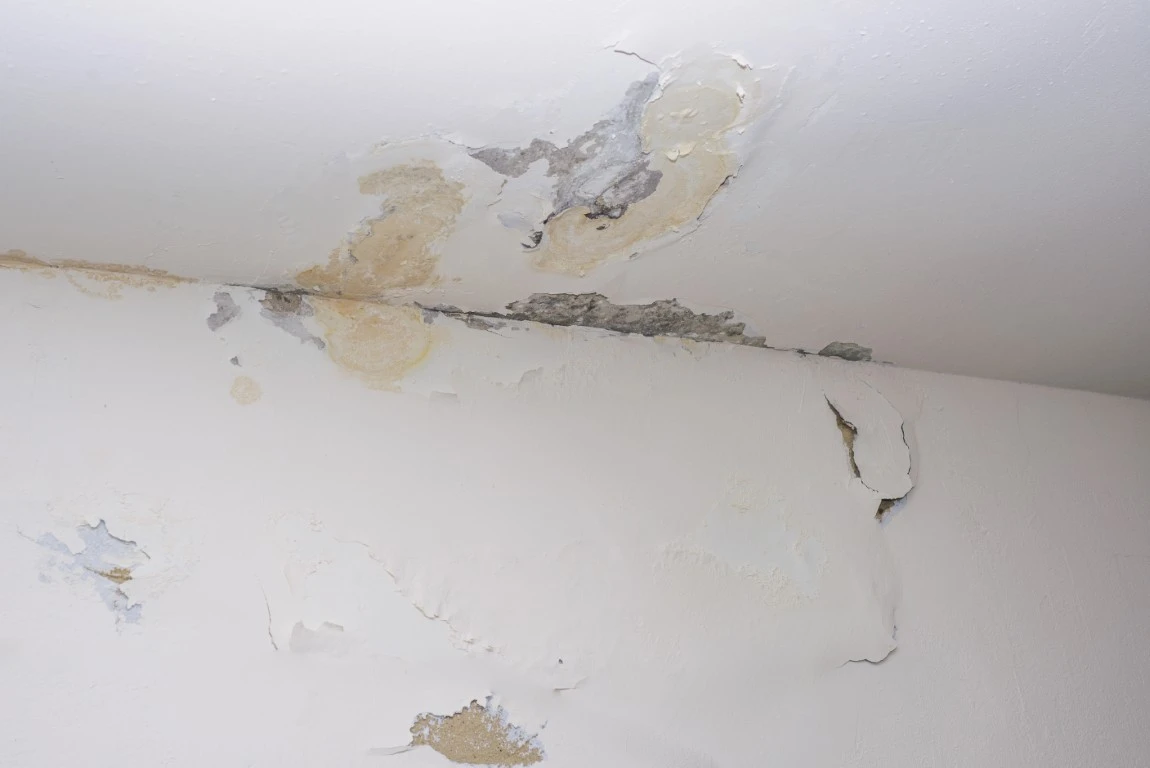
Some materials cannot be safely cleaned and must be removed. This includes water-damaged drywall, wet insulation, severely contaminated carpet, ceiling tiles, or certain wood products. A professional will remove unsalvageable materials to help stop mold from spreading further.
Cleaning and Sanitizing
Professionals clean remaining structural materials and salvageable contents using specialized techniques and antimicrobial products when appropriate. This includes wood framing, concrete, metal surfaces, furniture, and HVAC components.
Drying the Structure
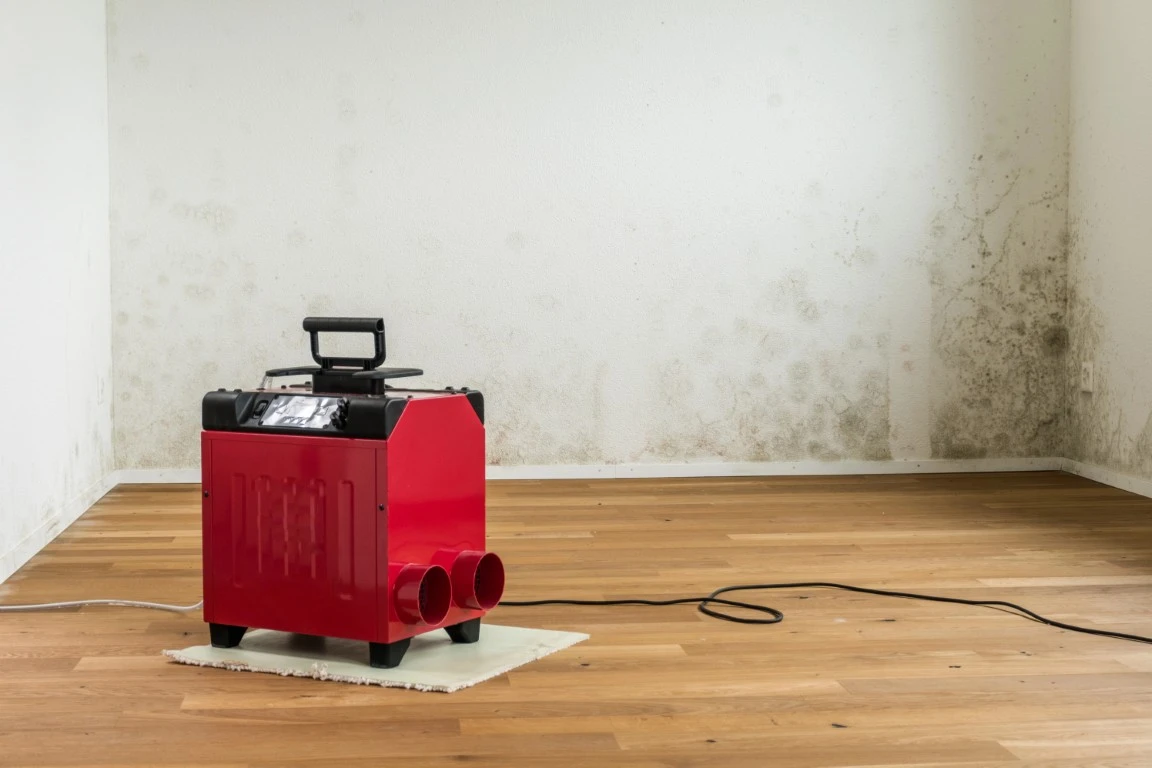
Moisture control is one of the most important parts of remediation. Professionals often use industrial dehumidifiers and air movers to dry the affected areas and reduce the risk of future mold growth.
Restoration
Once the mold specialists complete remediation, they repair or replace damaged materials. Restoration often includes drywall installation, painting, flooring replacement, trim work, and cabinet repairs. The goal is to return your property to its pre-loss condition.
Why Simply Cleaning Mold Isn’t Enough
Many homeowners may attempt to wipe away mold with household cleaners or bleach. While this may temporarily remove visible stains, it often fails to eliminate mold growing beneath surfaces or inside porous materials.
Without correcting the source of the moisture, mold frequently returns. Professional remediation addresses both the mold and the conditions that caused it.
Keep Mold Out of Your House
Although the terms mold removal and mold remediation are often used interchangeably, they describe different approaches. Mold removal focuses on eliminating visible growth, while mold remediation describes a complete process that addresses mold growth, controls contamination, corrects moisture problems, and restores affected areas.
If your home or business has experienced water damage or you suspect mold growth, act quickly to minimize damage, reduce restoration costs, and help protect your property. A remediation professional can identify the source of the problem, safely remove contaminated materials, and restore your space.