
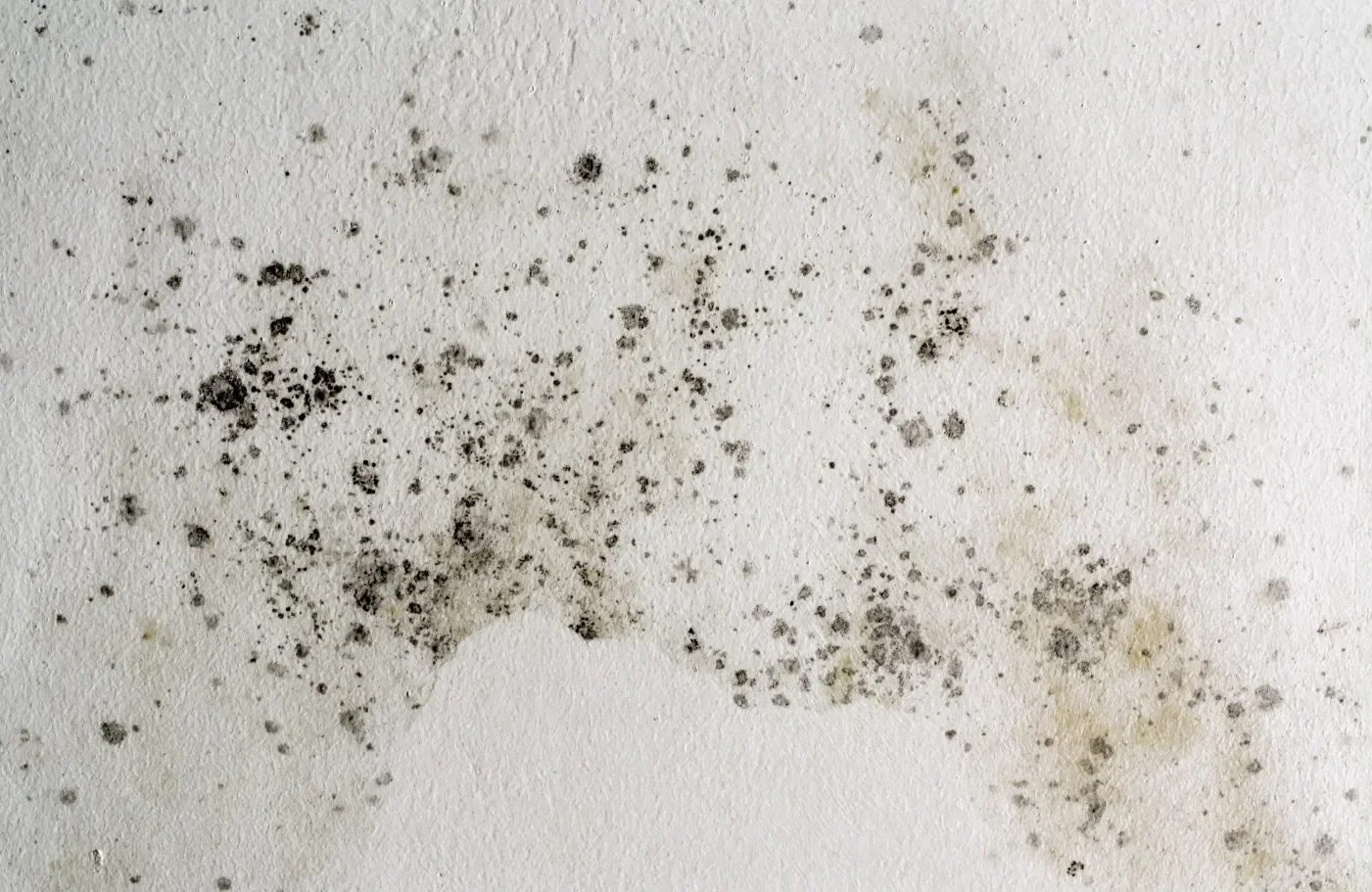
Almost every home is at risk of mold growth, especially in areas with high humidity, excess moisture, leaks, or poor ventilation. While mold can sometimes show up on walls, ceilings, and other surfaces, it can also grow in hidden areas, such as behind drywall, under flooring, and inside HVAC systems.
In addition to causing damage in your home, mold exposure can affect individuals, especially those who have allergies, asthma, or other respiratory sensitivities.
Below, we will discuss the possible health symptoms of mold exposure to help you recognize if you have a moisture problem and need to seek professional mold remediation.
Common Symptoms Associated With Mold Exposure
The symptoms associated with mold exposure can vary depending on the individual, the type of mold, the extent of exposure, and existing health conditions. Some people may experience no noticeable symptoms, while others may develop allergic reactions or respiratory irritation.
Sneezing and a Runny or Stuffy Nose
Mold commonly causes allergy-like symptoms. Mold spores and other airborne particles can irritate nasal passages or trigger an allergic response.
Individuals may experience frequent sneezing, a runny nose, nasal congestion, an itchy nose or throat, or postnasal drip that becomes more noticeable when spending time in a damp or moldy room.
However, these symptoms could also be a result of seasonal allergies, dust, or other environmental factors.
Coughing and Throat Irritation
Mold exposure can irritate the respiratory tract, leading to a persistent cough, a scratchy throat, or throat discomfort. These symptoms may be more noticeable in enclosed spaces with moisture problems or inadequate ventilation.
If you continually or repeatedly cough when in a particular area of your home, consider whether there could be an underlying indoor air quality issue. A healthcare professional can also determine whether mold, allergies, an infection, or another condition may be responsible.

Wheezing and Shortness of Breath
People with asthma or other respiratory conditions may be especially sensitive to mold. Exposure can trigger asthma symptoms, including wheezing, chest tightness, coughing, and difficulty breathing.
Even people without a previous asthma diagnosis may experience respiratory irritation around indoor mold, although these symptoms can have many other causes.
If you experience severe breathing difficulties, seek urgent medical care. This may not be a symptom of mold exposure but a medical emergency.
Itchy, Red, or Watery Eyes
Mold-related allergens can affect the eyes, causing discomfort similar to other environmental allergies. People may experience redness, itching, excessive tearing, or a burning sensation.
If eye irritation repeatedly occurs in a specific indoor environment, mold could be a factor; however, it could also be caused by dust, cleaning products, or pet dander.
Skin Irritation or Rashes
Some people experience skin irritation, such as itching, redness, or a rash, when exposed to mold or mold-contaminated materials.
If you suspect you have mold in your home, avoid direct contact with the growth, especially if you have sensitive skin. If a rash doesn’t clear up, gets worse, or is accompanied by other concerning symptoms, consult a healthcare professional.
Can Mold Exposure Cause Headaches, Fatigue, or Other Symptoms?
Headaches, fatigue, difficulty concentrating, and general discomfort are sometimes attributed to mold exposure. However, there is not much scientific evidence linking these symptoms directly to indoor mold exposure.
These symptoms can have many causes, including poor sleep, dehydration, infections, stress, or other indoor environmental conditions. They should not automatically be considered proof of mold-related illness.
If you experience persistent or unexplained symptoms, you should seek medical advice, not just a home mold inspection.
How to Tell if Your Home Has a Mold Problem
Mold often develops in areas with excess moisture. Pay attention to signs of water intrusion or persistent dampness, such as:
- Musty or earthy odors
- Water stains on walls or ceilings
- Peeling paint or bubbling drywall
- Warped flooring or swollen baseboards
- Visible mold spots
- Past or ongoing plumbing leaks
- Condensation or persistent humidity
If you suspect your home has mold, focus on locating and stopping the source of moisture, whether that’s a water leak, flood, condensation, or inadequate ventilation.
Avoid disturbing extensive mold growth, as scrubbing or removing contaminated materials without the proper precautions, equipment, and cleaning products can release spores and other particles into the air.
If you have extensive growth, recurring mold, contaminated porous materials, or mold following significant water damage, you may want to contact a professional restoration company to assess the affected area, help identify moisture sources, and recommend appropriate cleanup and drying procedures.
The Bottom Line
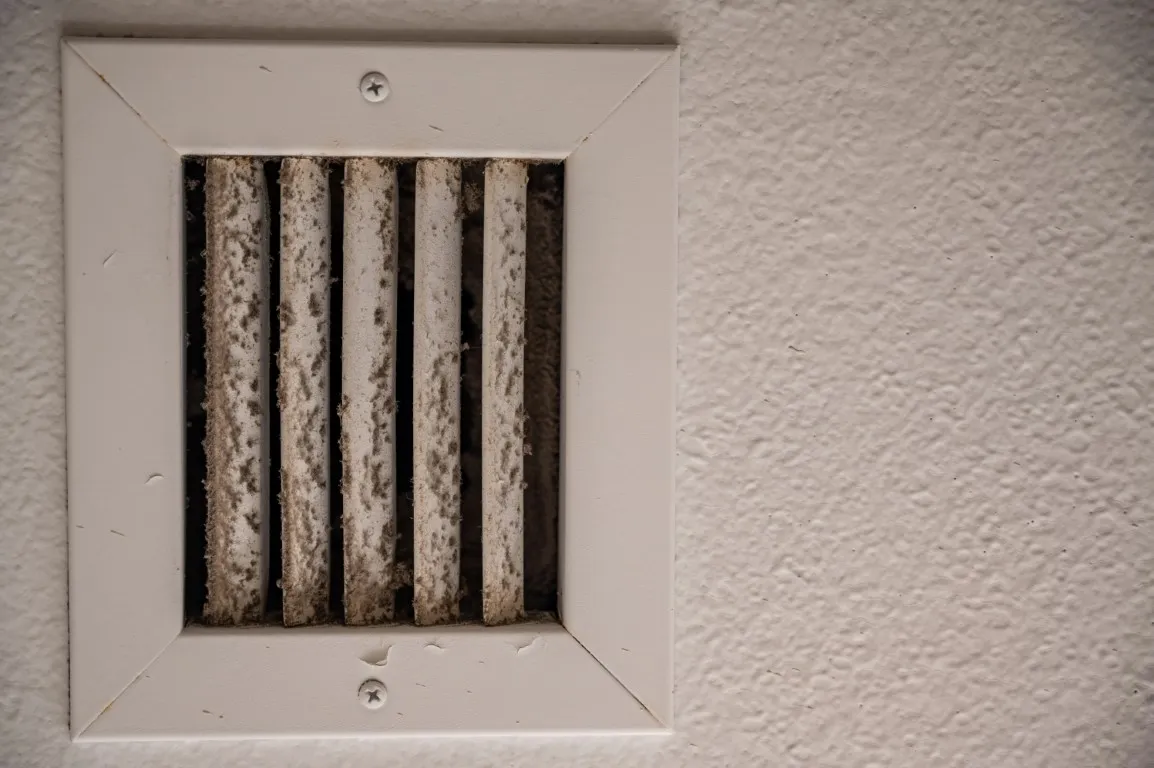
Mold exposure may cause sneezing, nasal congestion, coughing, itchy eyes, skin irritation, or worsening asthma. However, these symptoms can have many causes, and experiencing them doesn’t necessarily mean mold is present or responsible.
If you’re concerned about your health, consult a healthcare professional. If you suspect there’s mold in your home, investigate moisture problems and arrange for appropriate cleanup when needed. Addressing water damage early can help protect your property and support a healthier indoor environment.