

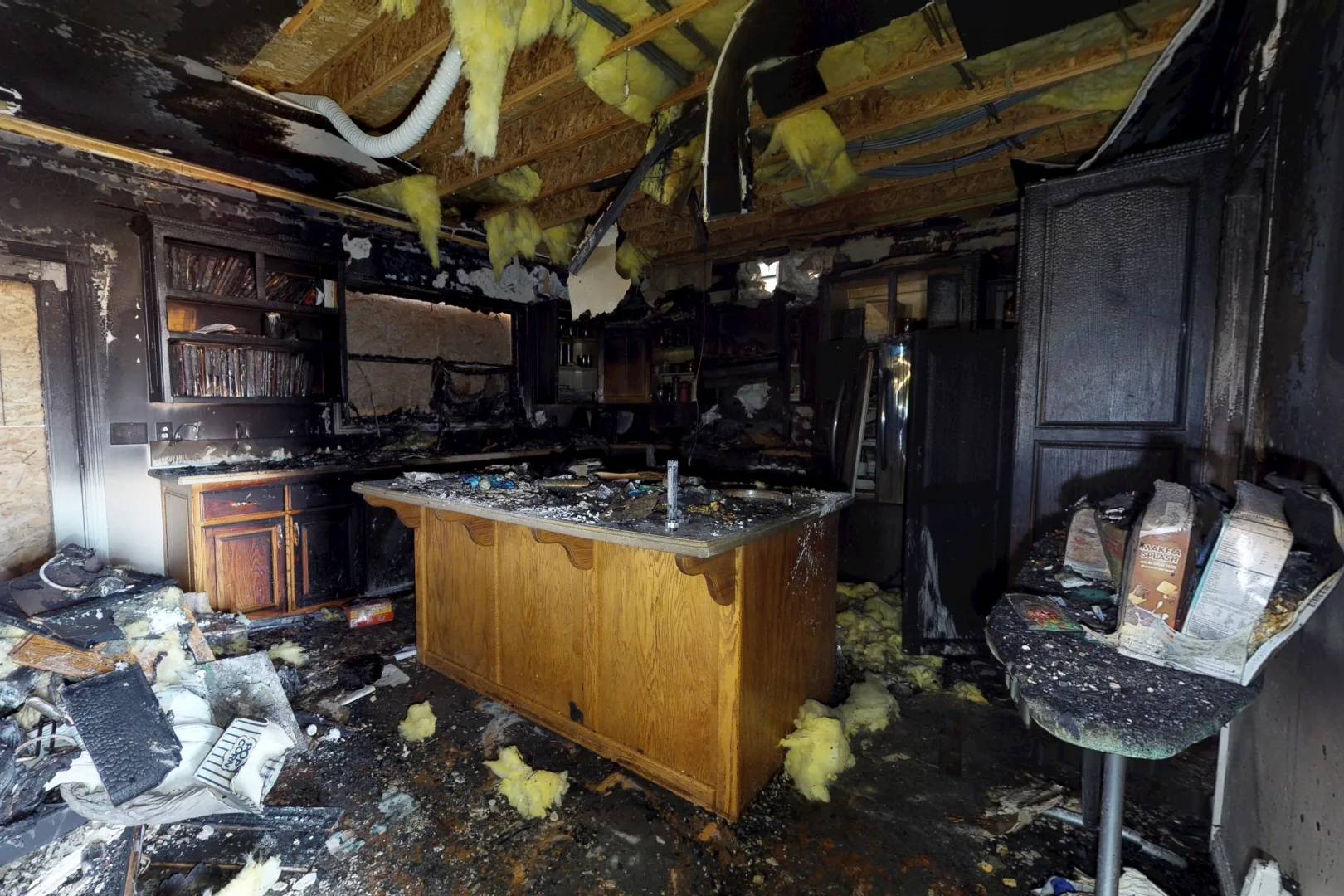
Fire Damage vs. Smoke Damage: What You Should Know
When a fire breaks out, most homeowners worry about visible damage caused by flames: burned walls, damaged furniture, and destroyed belongings. However, smoke can be just as destructive. In many cases, it can affect areas of the property that were never touched by fire.
Read More
How to Prepare Your Home for Wildfire Smoke Season
Every year, wildfire season affects communities located far beyond where fires are burning. Even if the flames are hundreds of miles away, smoke can travel long distances and have a significant impact on your home’s indoor air quality.
Read More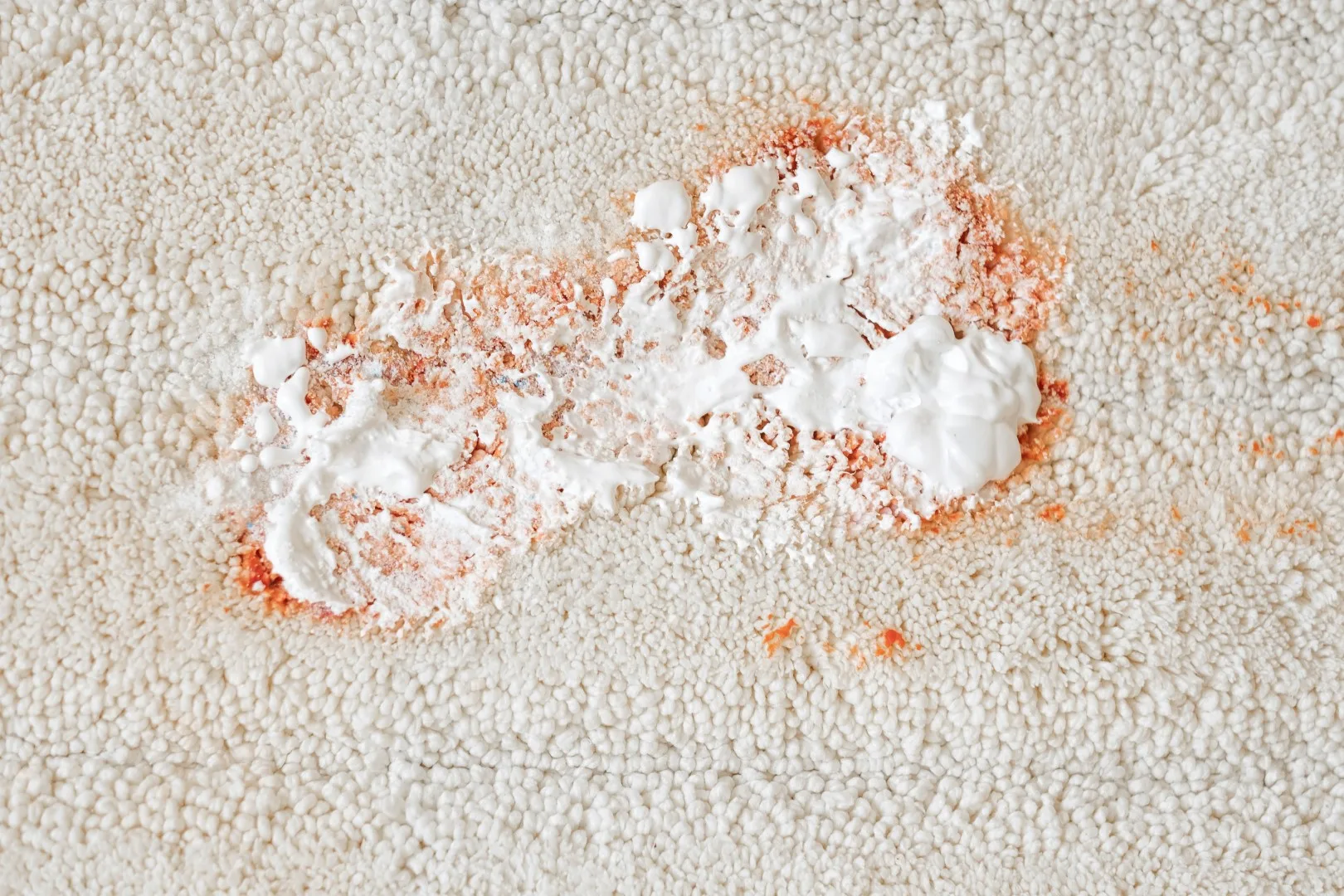
Why Carpet Discoloration Isn’t Always a Stain
When homeowners come across dark spots, yellowing, fading, or uneven coloring on their carpet, they may automatically assume it’s a stain. While stains are common, not every carpet discoloration is caused by spilled food or drinks, pet accidents, or tracked-in dirt. In some cases, carpet discoloration may result from conditions entirely out of your control.
Read More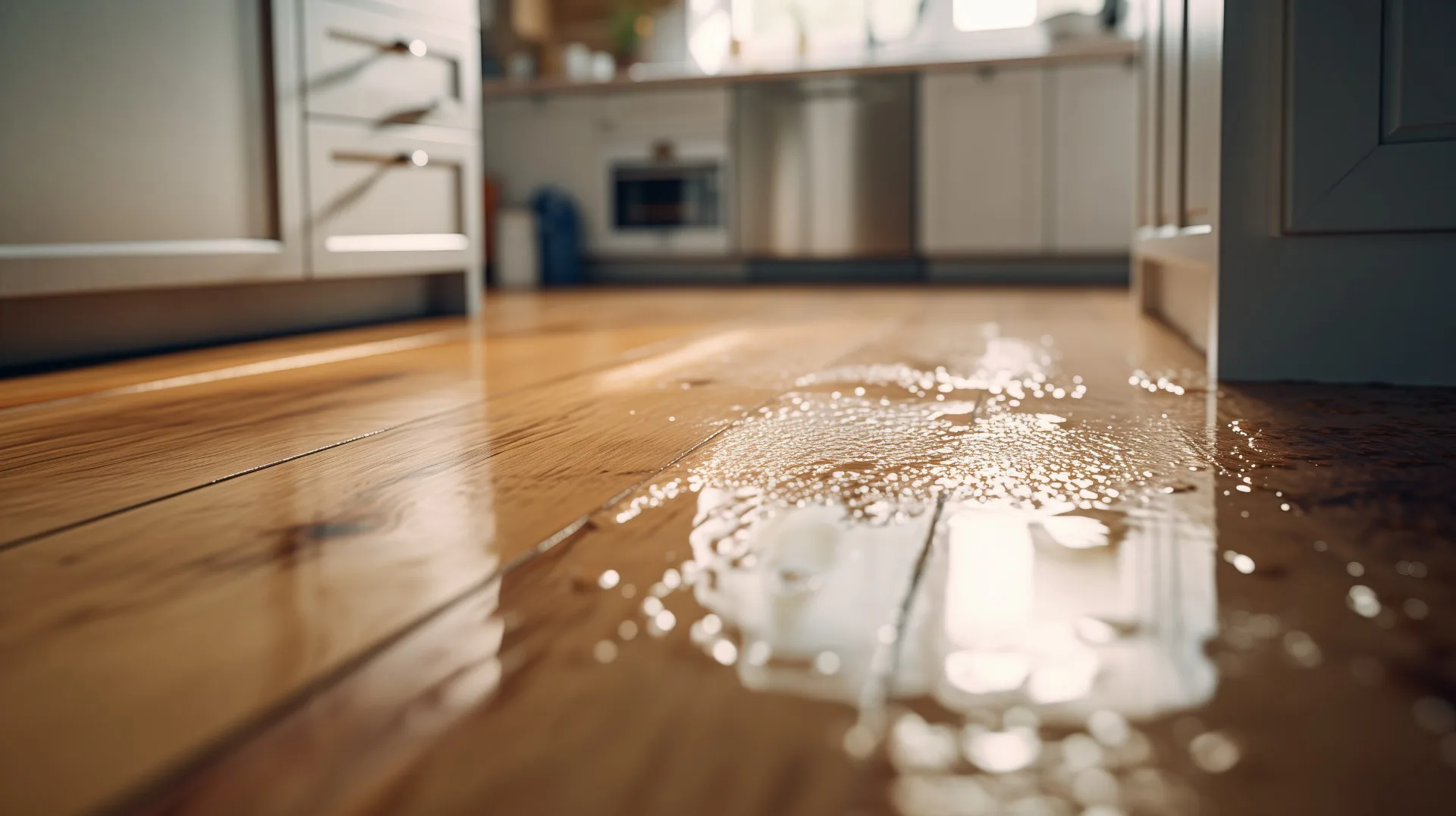
How Moisture Travels Through Your Home After Water Damage
When a small leak develops, an appliance overflows, or a spring storm floods your basement, water can spread throughout your home more quickly than you may realize. Moisture travels through flooring, walls, insulation, and even your HVAC system, causing hidden damage and increasing the risk of mold growth.
Read More
Why Indoor Air Quality Matters More Than You Think
Many homeowners worry about visible cleanliness and may not think much about indoor air quality. But the air inside your home plays a major role in your family’s comfort, health, and overall quality of life. Dust, allergens, moisture, pet dander, mold spores, and airborne pollutants can circulate throughout your home without obvious signs, affecting the air you breathe every day.
Read More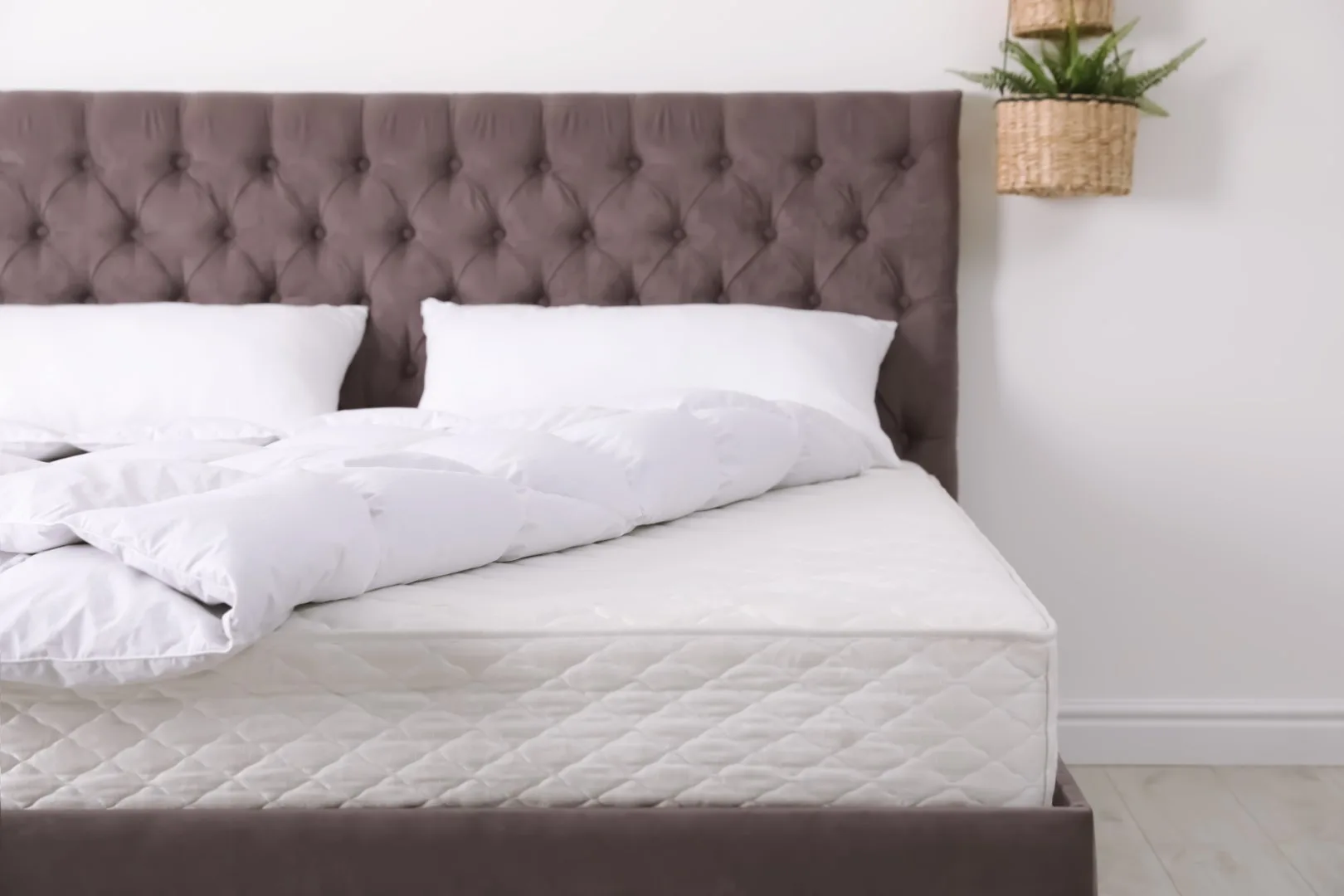
Why Professional Mattress Cleaning Matters for Your Health
The average person spends about 50 hours a week sleeping. Because you spend so much time in bed, it’s important to not only take care of your sheets, pillowcases, and blankets but also your mattress. Over time, your mattress can collect dust, allergens, sweat, pet dander, bacteria, and odors that impact comfort, health, and indoor air quality.
Read More
- « Previous Page
- 1
- 2
- 3
- 4
- …
- 14
- Next Page »