A leaking pipe, overflowing appliance, or roof leak may seem like only a minor inconvenience, especially after cleaning up the visible water. However, the water you see is often only a small part of the problem. Moisture can travel through building materials and spread into hidden spaces where it can continue causing damage long after the surface appears dry.
Professional water restoration plays an important role in identifying and removing hidden moisture. The sooner you act, the lower the risk of structural damage, mold growth, and expensive repairs.
Water Doesn’t Stay Where the Leak Starts
Water naturally follows the path of least resistance. Gravity, porous materials, and even airflow can carry moisture well beyond the original leak location.
For example, a leaking bathtub on the second floor may eventually lead to water damage in the ceiling of the room below, inside wall cavities, beneath flooring, or even in your home’s foundation if left untreated.
This is why restoration professionals take time to inspect more than just the obvious wet areas.
Behind Drywall
Drywall acts like a sponge. Once water enters through seams, electrical openings, or damaged paint, it quickly spreads throughout the wall, leading to soft or crumbling materials, bubbling or peeling paint, warped baseboards, mold growth, and insulation damage.
Even if the wall surface feels dry, moisture may still be trapped behind it.
Inside Insulation
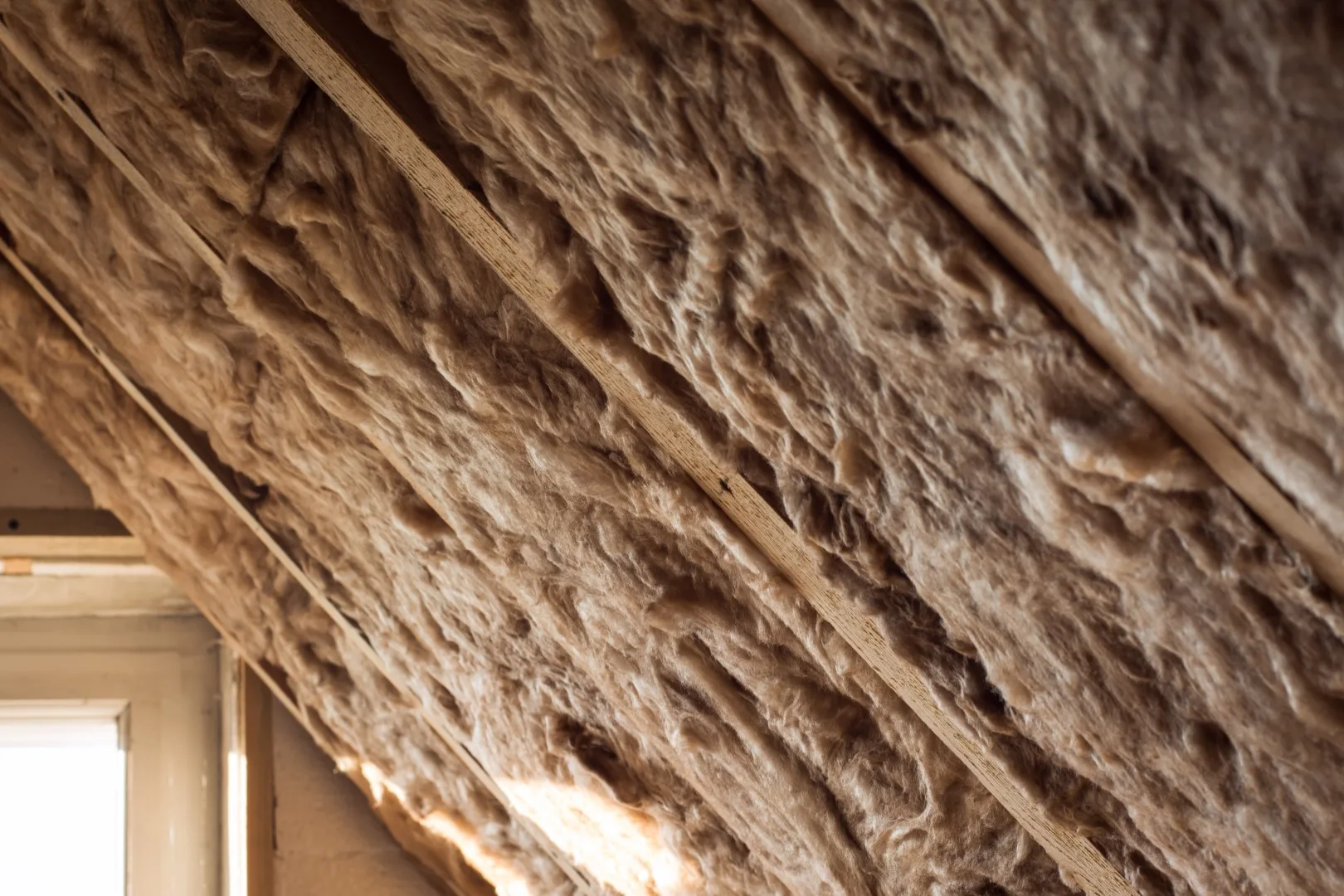
Many homeowners don’t realize that insulation often absorbs and holds large amounts of water.
Wet insulation loses much of its ability to regulate indoor temperatures and can remain damp for days or even weeks if not properly dried.
Depending on the insulation type, restoration professionals may need to remove saturated material to prevent mold and bacterial growth.
Under Flooring
Flooring materials can hide moisture exceptionally well. Water can travel beneath hardwood flooring, laminate flooring, luxury vinyl plank (LVP), tile, and carpet padding.
Hardwood may begin cupping or buckling as moisture levels increase, and laminate flooring often swells permanently after water exposure. Tile floors can trap water beneath the surface, where adhesives and subfloors become damaged, and carpet may appear dry while the padding underneath remains soaked.
Beneath Cabinets
Kitchen and bathroom cabinets can conceal plumbing leaks for weeks or even months. Without you realizing, water can spread under cabinet bases, behind toe kicks, along subflooring, and into adjacent walls.
Particleboard is especially prone to water absorption and can swell, warp, and deteriorate when wet.
Ceiling Cavities
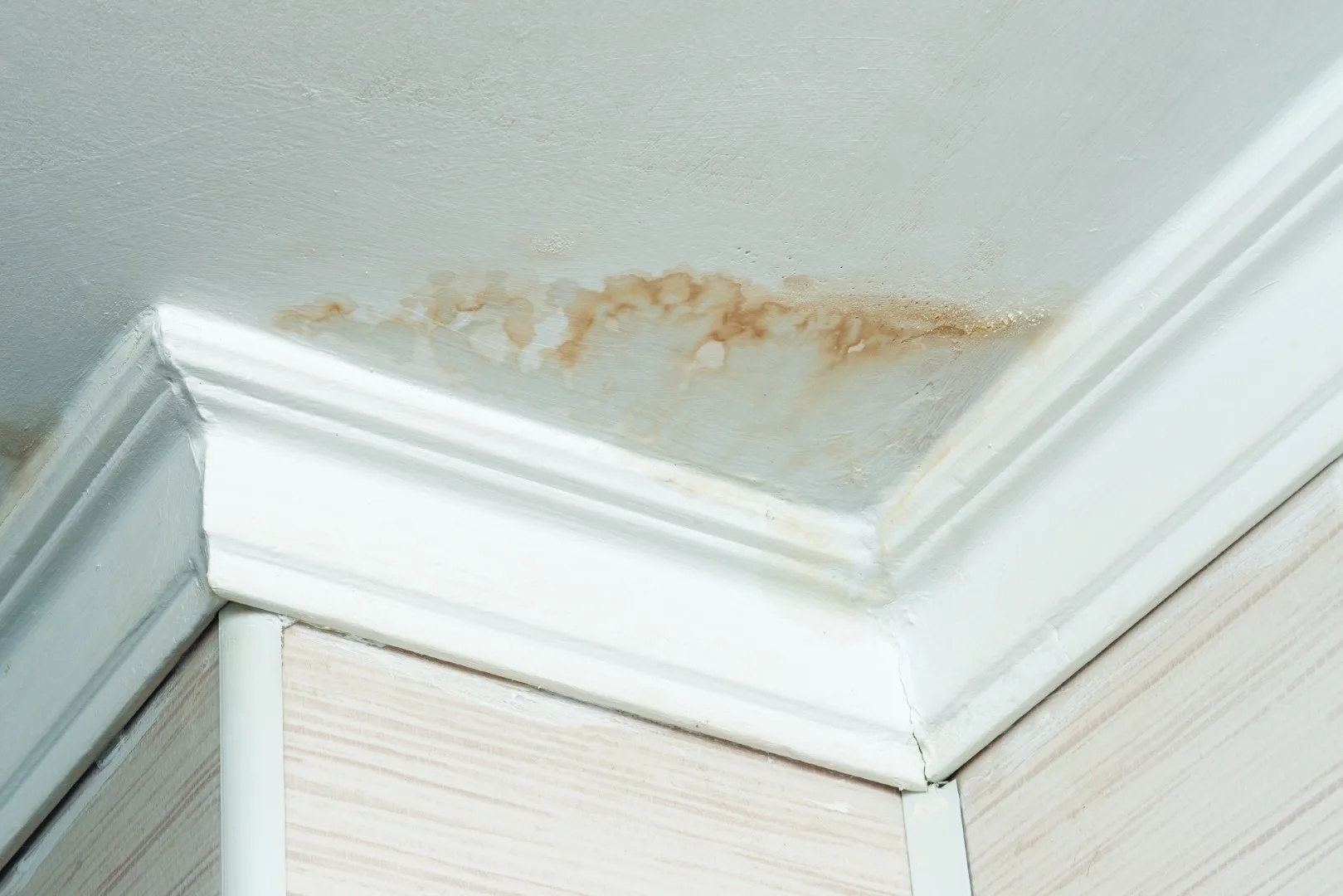
A roof or upstairs plumbing leak doesn’t always drip directly below the source. Water may travel across ceiling joists before finally appearing several feet away. By the time you see a stain, significant moisture may already exist inside the ceiling cavity.
Signs of ceiling water damage include stains, sagging drywall, peeling paint, soft spots, and musty odors.
HVAC Systems and Air Ducts
If water enters your HVAC system, moisture can spread throughout your home. Wet ductwork can harbor mold growth, spread unpleasant odors, reduce air quality, and lower HVAC efficiency.
In some situations, professional duct cleaning or replacement may be necessary after water damage.
Crawl Spaces and Basements
Water naturally flows downward. Even small leaks on upper levels can eventually lead to moisture problems in crawl spaces or basements.
Persistent hidden moisture may cause wood rot, foundation concerns, mold growth, pest activity, and increased humidity.
Moisture in these areas often remains undetected until the damage becomes severe.
Around Windows and Exterior Walls
Leaks around windows or roofing systems frequently travel inside wall assemblies before becoming visible. When water seeps around exterior walls, it can damage house framing, insulation, sheathing, exterior siding, and interior drywall.
Because these areas are enclosed, moisture can remain trapped for extended periods.
Under Appliances
Dishwashers, refrigerators, washing machines, and water heaters often develop small leaks. This water often spreads underneath appliances, where it remains hidden until the flooring starts to warp or mold grows.
By inspecting around these appliances regularly, you can catch problems early.
Don’t Assume Everything Is Dry
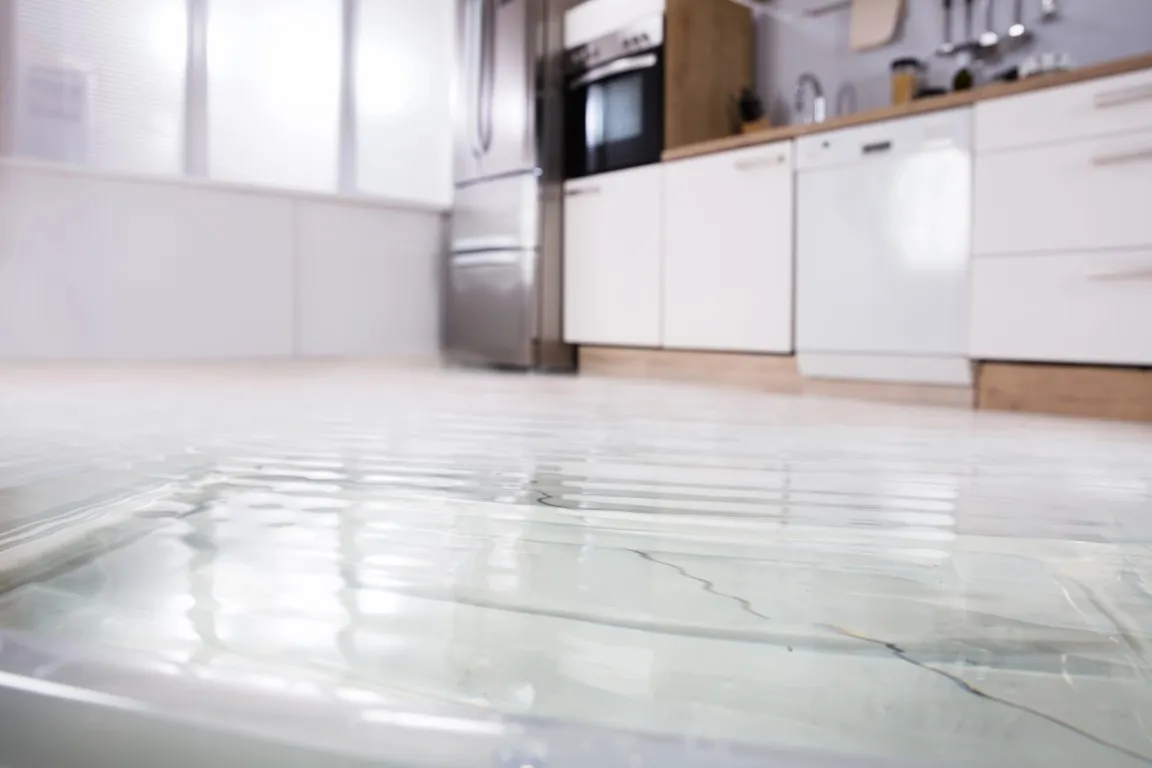
Just because surfaces look dry doesn’t mean your home is free from hidden moisture. Water often travels into unexpected places, causing damage that can spread for weeks or months if left untreated.
If you’ve experienced a plumbing leak, appliance overflow, roof leak, or flooding, a water damage restoration professional can locate and remove hidden moisture before it leads to mold, structure damage, or costly repairs. A thorough inspection and complete drying process are the best ways to protect both your home and your long-term investment.